






The Real Damage of a Desk Job
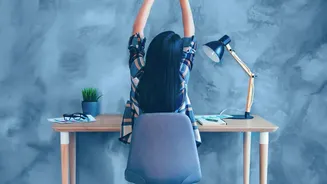
Our bodies were designed for movement, yet many of us spend eight or more hours a day anchored to a chair. This sedentary lifestyle is linked to a host of health problems. Research shows that prolonged sitting contributes to tight hip flexors, a rounded
upper back, and persistent lower back pain. It slows blood circulation, can lead to muscle fatigue and stiffness in the neck and shoulders, and may even increase the risk of more serious conditions like hypertension, diabetes, and heart disease over time. Essentially, when we sit for hours, we put our bodies into a state of compression and inactivity, forcing muscles and joints into unnatural, static positions that can cause strain and premature degeneration.
What Is Active Recovery?
The term 'active recovery' might sound like something reserved for elite athletes, but the concept is simple and incredibly beneficial for everyone. Unlike passive recovery (like collapsing on the couch), active recovery involves low-intensity movement. The goal is to stimulate blood flow, reduce muscle soreness, and improve flexibility without putting a strain on the body. For office workers, this doesn't mean hitting the gym for a full workout on your lunch break. Instead, it involves brief, gentle movements throughout the day to break the cycle of stillness and help your muscles and joints reset.
Counteracting Stiffness with Mobility
Mobility drills are the perfect form of active recovery for a desk-bound lifestyle. These exercises are designed to move your joints through their full range of motion. Unlike static stretching, which focuses on lengthening a muscle, mobility work improves the function of the joint itself. For those who sit all day, key areas to focus on are the hips, which become tight and shortened, and the thoracic spine (your mid to upper back), which tends to stiffen and hunch forward. Incorporating a few simple drills can awaken dormant muscles, relieve tension, and dramatically improve your posture and overall comfort.
Drill 1: Seated Thoracic Rotation
This movement targets the stiffness in your upper and mid-back caused by slouching. Improving mobility here can relieve strain on your neck and lower back. Sit tall at the edge of your chair with your feet flat on the floor. Cross your arms over your chest. Without moving your hips, gently rotate your entire upper body to the right as far as is comfortable. Hold for a breath, then return to the center and rotate to the left. The movement should be slow and controlled. Aim for 10-15 rotations on each side to help unwind the tension from your spine.
Drill 2: Cat-Cow Stretch
An excellent exercise for spinal flexibility, the Cat-Cow stretch helps relieve tension from your neck to your lower back. You can do this on your hands and knees on the floor, or a modified version while seated. If seated, place your hands on your knees. On an inhale, arch your back, push your chest forward, and look up (Cow). On an exhale, round your spine, tuck your chin to your chest, and gently pull your navel in (Cat). Flowing between these two poses warms the spine, improves posture, and can feel incredibly restorative. Repeat for 8-10 cycles.
Drill 3: Kneeling Hip Flexor Stretch
Sitting shortens the muscles at the front of your hips, which can pull on your lower back and cause pain. This stretch helps to lengthen them. Find a soft surface and come into a kneeling lunge position, with your right knee on the ground and your left foot forward. Keeping your back straight, gently squeeze your right glute and shift your weight forward slightly until you feel a stretch along the front of your right hip. Avoid arching your back. Hold for 30 seconds, then switch legs.
Drill 4: Deep Squat Hold
The deep squat is a fundamental human movement pattern that we often lose the ability to perform. It's fantastic for opening up the hips, ankles, and lower back. Stand with your feet shoulder-width apart. Lower yourself down as if sitting in a low chair, keeping your heels on the ground and your back as straight as possible. Go as low as you can comfortably. If needed, hold onto a desk or chair for balance. Try to hold the position for 30-60 seconds, breathing deeply. This can feel intense at first, but with practice, it will become a go-to reset for your lower body.