







A New Network of Speed
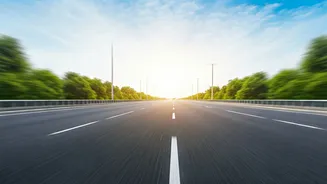
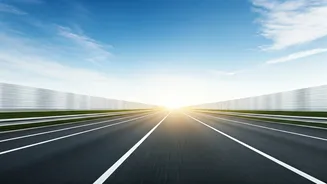
India is in the midst of an unprecedented infrastructure push, with new, access-controlled expressways changing the map for travellers. Projects like the massive Delhi-Mumbai Expressway, the Ganga Expressway in Uttar Pradesh, and the Delhi-Dehradun corridor
are not just incremental upgrades; they are fundamentally altering connectivity between major cities and once-distant towns. These corridors, designed for speeds of up to 120 km/h, are drastically cutting down journey times. For instance, the Delhi-Mumbai travel time is expected to be halved from 24 hours to just 12, while the trip from Meerut to Prayagraj via the Ganga Expressway will drop from 11 hours to around six.
The Three-Hour Holiday Bubble
This reduction in travel time is the single biggest factor poised to change our weekend habits. Destinations previously considered too far for a two-day trip are suddenly becoming viable. From Delhi, a drive to Dehradun that once took over six hours is now closer to 2.5 hours. Similarly, Jaipur is now a manageable 3.5-hour drive from the capital. For Mumbaikars, the upcoming Mumbai-Vadodara expressway stretch is expected to cut the eight-hour drive to just four. This brings a host of new destinations in Gujarat within easy weekend reach. The Bengaluru-Mysuru expressway has already made the journey a swift affair of under two hours, encouraging spontaneous trips. This creates a new 'three-hour bubble' around major metros, where any destination within this radius becomes a practical option for a Friday evening departure.
Unlocking New Destinations and Economies
The impact goes far beyond convenience for city dwellers. These expressways are unlocking the economic potential of smaller towns and regions that were previously bypassed. The Ganga Expressway, for example, will provide easier access to numerous spiritual and heritage sites like Hastinapur, Kalki Dham, and several Shaktipeeths, boosting faith-based and cultural tourism. This influx of visitors stimulates local economies, leading to the growth of hotels, restaurants, and other businesses in places like Sambhal, Budaun, and Pratapgarh. Farmers can get their produce to markets faster, reducing waste, and new industrial corridors are emerging along these routes, creating jobs and curbing migration to overcrowded cities.
More Than Just a Faster Road
The appeal of these new expressways isn't just about speed; it's also about the quality of the journey. These modern marvels are often eight lanes wide, with smooth surfaces that make for a comfortable drive. They are designed with enhanced safety features and often include amenities like modern rest stops, food courts, and EV charging stations. Some, like the Delhi-Dehradun Expressway, even incorporate dedicated wildlife corridors to minimise environmental impact. This focus on a holistic travel experience—combining speed, safety, comfort, and sustainability—makes road trips more appealing to a wider range of people, including families and those who were previously deterred by the stress of highway driving.
Navigating the Challenges Ahead
While the benefits are significant, this rapid expansion is not without its challenges. The high cost of tolls on some of these expressways can make them inaccessible for a segment of the population. There is also the risk of 'overtourism,' where newly accessible destinations become overwhelmed by visitors, straining local infrastructure and fragile ecosystems. Environmental concerns related to land acquisition and habitat fragmentation are also a critical part of the conversation. As India continues its highway boom, balancing rapid development with sustainability and ensuring the benefits are distributed equitably will be key to its long-term success.