




Why Your Sabzi Wallah Is Watching the Clouds
It’s no secret that our weather is becoming more extreme and less predictable. Intense heatwaves, unseasonal rains, and sudden cold snaps are no longer rare events. These shifts do more than just change your weekend plans; they directly impact the food
on your plate. Extreme weather disrupts farming, damages crops, and creates chaos in supply chains. For vendors of fresh produce like fruits and vegetables, extreme heat can spoil their goods, while heavy rains can make it impossible to work, affecting their income and the availability of food for consumers. This volatility means that the price and availability of everyday staples like tomatoes, onions, and leafy greens can fluctuate wildly from one week to the next. Understanding this new reality is the first step toward becoming a more resilient and resourceful home cook.
Think Beyond the Monsoon
In India, we are masters of planning for the monsoon. We stock up on essentials and adjust our cooking. But modern weather literacy requires a broader perspective. A heatwave in March can scorch wheat crops, while a surprise hailstorm in the hills can decimate the apple harvest. These events have a direct knock-on effect, leading to shortages and price hikes that can be felt months later. For example, extreme heat can cause vegetables like lettuce to 'bolt', making them bitter and unsellable, while also reducing the safe working hours for farm labourers, leading to smaller harvests. This means we need to think about weather year-round, not just during one season. Paying attention to agricultural news and weather forecasts from growing regions can give you a heads-up on which items might become scarce or expensive.
Build a Weather-Ready Pantry
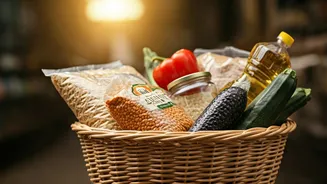
A smart pantry is your best defence against weather-related grocery disruptions. While panic-buying before a storm is common, a more sustainable approach is to maintain a well-stocked larder at all times. Focus on non-perishable items that offer flexibility. Canned goods like chickpeas, kidney beans, and tomatoes are perfect for creating hearty meals when fresh produce is limited. Stocking up on lentils, rice, pasta, and grains ensures you always have a base for a nutritious meal. Don't forget long-lasting produce like potatoes, onions, and garlic. It’s also wise to have a supply of shelf-stable milk, nuts, and dried fruit. This strategy isn't about preparing for a disaster; it’s about having options, reducing last-minute shopping trips in bad weather, and ensuring you can still eat well when the market shelves are looking bare.
Mastering the Digital Forecast
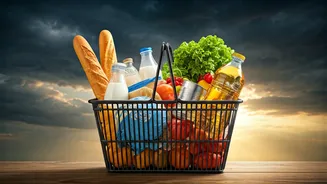
Your smartphone is a powerful tool for weather-literate grocery planning. Instead of just checking for rain today, use weather apps to look at the forecast for the week ahead. Is a heatwave coming? That might be a good time to plan for lighter meals like salads and curd rice, and perhaps buy your vegetables before the peak heat affects their quality and price. Is a rainy spell predicted? It could be the perfect week to use up your pantry staples for soups and stews. This forward-thinking approach allows you to align your meal planning and shopping trips with the weather, rather than being caught off guard. It can also influence how you shop; studies show that on sunny days, people are more likely to visit physical stores, while bad weather can boost online shopping.
Eat with the Season and the Forecast
Eating seasonally has always been wise, but it's even more critical now. Seasonal produce is typically more abundant, which means it’s fresher, more nutritious, and more affordable. It also supports local farmers and reduces the carbon footprint associated with transporting food over long distances. By layering weather literacy onto seasonal eating, you become an even smarter shopper. Knowing that local mangoes are in season is good; knowing that a coming storm might disrupt their supply allows you to buy them when they are at their peak. This approach encourages culinary creativity, helps you connect more deeply with where your food comes from, and builds resilience in your kitchen.