




The magic of a scented candle is creating a mood with fragrance and light. Making your own adds a personal touch, and the secret to a perfect candle lies in preparation. Getting your materials right is the foundation for a beautiful, safe burn.
Setting Up Your Workspace Safely
Before
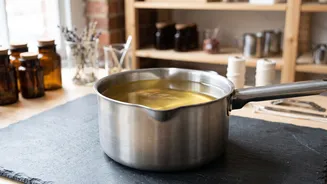
you handle any materials, create a safe and organised workspace. Cover your surface with newspaper or a protective cloth, as wax spills are inevitable. Work in a well-ventilated area, away from flammable items, children, and pets. Gather all your equipment: a pouring pitcher and a larger pot to create a double boiler, a digital scale for accuracy, a thermometer, stirring utensils, and safety gear like gloves and goggles. Never leave melting wax unattended, even for a moment.
Choosing the Right Wax
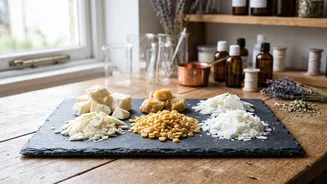
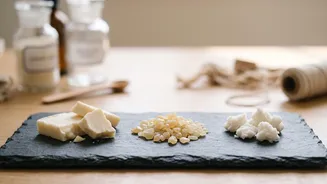
The wax you choose is the heart of your candle, affecting its burn time, appearance, and scent throw. Soy wax is a popular, eco-friendly choice for container candles, known for a clean, long burn. Paraffin wax is a traditional option that holds vibrant colours and strong fragrances well. Beeswax is a natural, premium option with its own subtle honey aroma, prized for its slow, clean burn. For beginners making scented container candles, a soy wax or a soy blend is often recommended as a versatile starting point.
Calculating Your Fragrance Load
The 'fragrance load' is the percentage of fragrance oil relative to the weight of your wax. This calculation is crucial for a great-smelling candle that burns safely. Too little oil means a weak scent, while too much can cause the wax to 'sweat' oil or burn improperly. Most soy waxes have a recommended fragrance load of 6% to 10%. To calculate the amount of oil needed, multiply your wax weight by your desired fragrance load percentage. For example, for 450 grams of wax at an 8% load, you would need 36 grams of fragrance oil (450 x 0.08 = 36). Always use a digital scale for accurate measurements.
Selecting the Perfect Wick
The wick is the engine of your candle, and its size must be matched to your specific container diameter, wax type, and fragrance load. A wick that is too small will 'tunnel,' leaving unmelted wax around the edges of the jar. A wick that is too large will create a dangerously large flame, soot, and burn through the candle too quickly. Wick sizing charts are available from suppliers and provide a good starting point based on your jar's inner diameter. For a container around 3 inches in diameter using soy wax, a medium-sized cotton wick is often a good start, but testing is the only way to be certain. For jars wider than about 4 inches, using two or three smaller wicks often provides a better, more even burn than one large wick.
Prepping Your Containers and Wicks
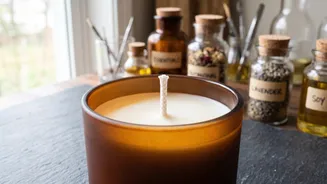
Your candle containers must be clean and dry. Wipe the inside of each jar with rubbing alcohol on a paper towel to remove any dust or residue, which ensures the wax and wick adhere properly. Once dry, firmly attach your wick to the bottom centre of the jar using a wick sticker or a dot of high-temperature hot glue. To keep the wick straight and centred while you pour the wax, use a wick_centring tool, a clothespin, or even two pencils laid across the rim of the jar to hold the wick in place. Warming your jars slightly with a heat gun or in a low oven before pouring can also help the wax adhere better and prevent 'wet spots'.