





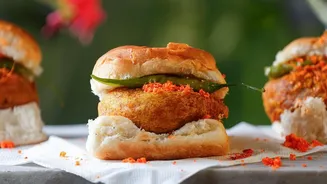
The Monsoon Craving Goes Digital
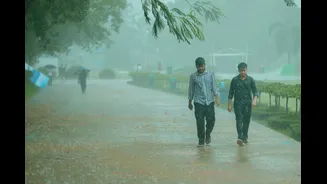
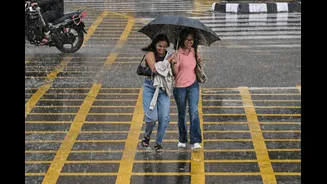
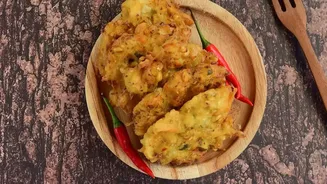
The connection between rain and specific foods is a deeply embedded part of Indian culture. The moment the sky turns grey, a collective craving for snacks like samosas, bhajiyas, and roasted corn (bhutta) ripples across the country. These are not just
foods; they are rituals, synonymous with the simple joy of watching the rain from a window. For years, these traditions were intensely local, passed down through families and enjoyed within communities. Today, however, that is changing. The private, nostalgic food memory has gone public. Short-form video platforms, especially Instagram Reels, have become the new discovery engine for food lovers. What was once a local Maharashtrian snack like Kanda Bhaji or a seasonal treat from Karnataka like Patrode can now appear on screens in Delhi or Kolkata, turning a regional specialty into a national curiosity overnight. The algorithm is reshaping our monsoon cravings, one 30-second video at a time.
From Local Gem to Viral Sensation
Social media has become a powerful force for putting lesser-known regional dishes on the map. While classics like onion pakoras and masala chai will always be monsoon staples, Reels are introducing a wider audience to a more diverse range of rainy-season comforts. Think of dishes like Aloo Ke Gutke, a simple and spicy potato dish from the hills of Uttarakhand, or the fluffy, deep-fried Mysore Bonda from Bangalore. We're also seeing unique fritters gain traction, like Rajasthan's Sanna Pakoda, which is double-fried for extra crunch, or Gujarat's Bajra Vada. Food creators have realised that authenticity is compelling. A video showcasing the sizzle of a batter hitting hot oil, the steam rising from a freshly folded pitha from Assam, or the unique way colocasia leaves are smeared and rolled for Alu Wadi in Maharashtra captures the sensory experience that static photos cannot. This visual storytelling turns viewers into participants, eager to find or create the dish they just saw.
The Anatomy of a Comfort Food Reel
So, what makes these rainy-season food videos so irresistible? It is a carefully crafted formula that taps directly into our sensory and emotional triggers. The most effective Reels are short, cinematic, and authentic. They often feature close-up shots highlighting texture—the crunch of a pakora, the softness of a dhokla, or the creamy filling of a bread pakora. Sound plays a huge role. The sizzle of frying, the rhythmic chopping of vegetables, or simply the sound of rain in the background creates an ASMR-like effect that is intensely satisfying. Music is often nostalgic, evoking a sense of warmth and comfort. Many Reels also double as quick, accessible recipes, showing simple steps that make even unfamiliar dishes seem approachable. This combination of visual appeal, satisfying sounds, and practical instruction encourages high engagement, with users saving posts for later and sharing them with friends, fueling the trend further.
More Than Just a Trend
This digital spotlight on regional food is more than just a fleeting trend; it represents a significant cultural shift. On one hand, it's a powerful tool for culinary preservation. Recipes that might have remained confined to specific communities are now being documented and shared, ensuring they reach a new generation. It fosters a sense of national culinary exploration, where someone in Mumbai can feel connected to a dish from Madhya Pradesh like Bhutte ka Kees. However, this digital fame is not without its complexities. As dishes go viral, recipes can become standardized, sometimes losing their authentic nuances in the process of becoming 'Reel-friendly'. Restaurants are also adapting their menus to feature photogenic, trending items, a phenomenon dubbed the 'camera eats first' culture. This pressure to create visually appealing content can sometimes overshadow the taste and tradition behind the dish. Ultimately, the rise of these comfort food Reels is a fascinating reflection of modern India—a place where tradition is not being replaced, but rather repackaged, shared, and celebrated in new and powerful ways.