



The Heart of the Sandwich: The Chickpea Filling
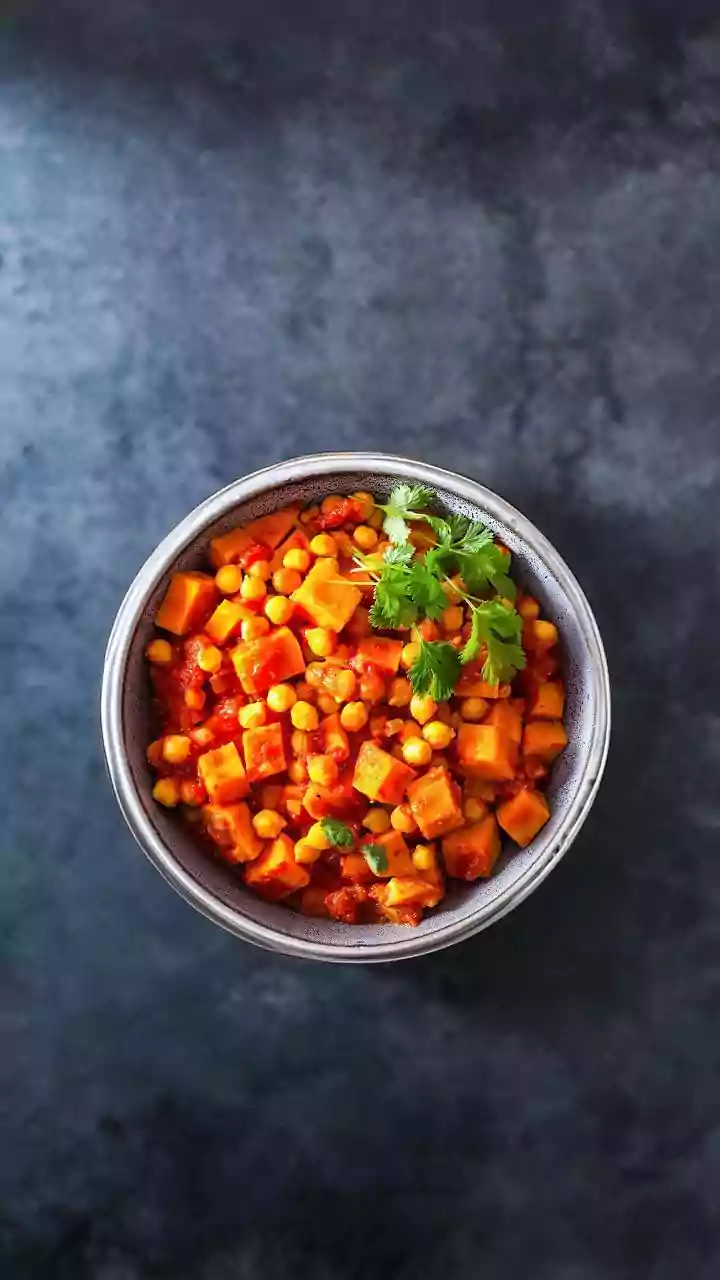
The foundation of this sandwich is, of course, the chickpea filling. The key here is achieving a texture that is neither a completely smooth paste nor a loose pile of whole beans. Use a fork or a potato masher to break down canned chickpeas, leaving some
larger, chunkier pieces for a more satisfying bite. Over-processing in a food processor can lead to a one-dimensional, hummus-like consistency, which should be avoided. Once mashed, the next step is to introduce a creamy binder. While classic mayonnaise (or a vegan alternative) is a popular choice for its richness, you can also use Greek yogurt for a tangier, higher-protein option or even tahini for a nutty depth. The goal is to bring the mashed chickpeas together into a cohesive, scoopable salad.
Building the Flavour Foundation
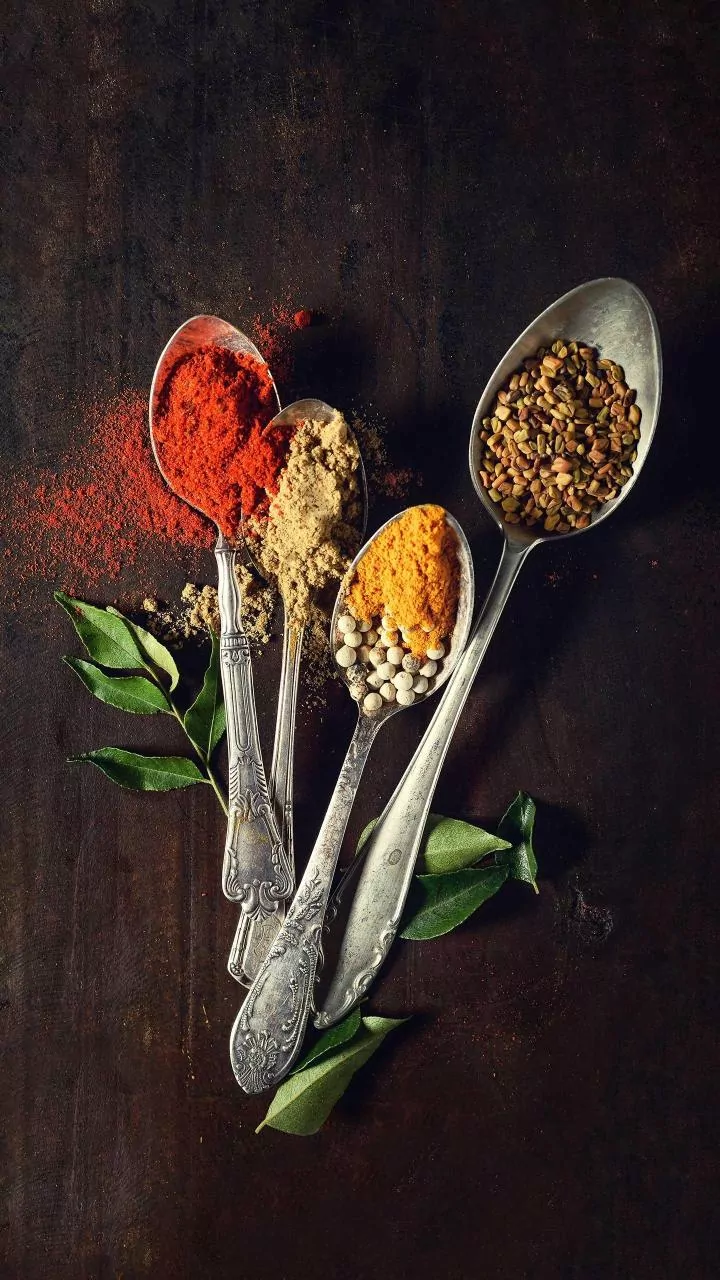
A common pitfall with chickpea salad is blandness. To avoid this, be generous with your seasonings. A combination of smoked paprika, cumin, garlic powder, and onion powder creates a savoury base. A pinch of turmeric can add a lovely golden hue, reminiscent of an egg salad. Don't forget the essentials: salt and freshly cracked black pepper are crucial for making all the other flavours pop. Acidity is also a key player in balancing richness. A squeeze of fresh lemon juice or a small splash of vinegar brightens the entire mixture. For a briny, savoury kick, consider adding finely chopped pickles, relish, or capers. Always taste and adjust before you assemble the sandwich.
Creating Essential Textural Contrast
What separates a good sandwich from a great one is often texture. A truly memorable sandwich offers a symphony of soft, creamy, and crunchy elements in every bite. The creamy chickpea filling is your starting point; now it's time to add the crunch. Finely diced celery and red onion are classic additions that provide a fresh, crisp contrast. It is important to chop these vegetables finely so that their flavour is distributed evenly without overpowering the sandwich. For a different kind of crunch, toasted nuts or seeds, like walnuts or sunflower seeds, can be stirred into the mix.
The Canvas: Choosing the Right Bread
The bread is not just a container; it's an integral part of the sandwich experience. A soft, flimsy bread will quickly become soggy and fall apart under the weight of a hearty filling. Opt for a sturdy bread like sourdough, whole wheat, or a thick-cut multigrain loaf. Toasting the bread is a non-negotiable step. It not only adds a wonderful crunchy texture and flavour but also creates a barrier that helps prevent the filling from making the bread soggy. For an extra layer of flavour, you can pan-fry the bread in a little olive oil or vegan butter until golden brown, and even rub a cut clove of garlic on the warm surface for a subtle hint of flavour.
Freshness and Finishing Touches
The final layer of complexity comes from fresh ingredients added during assembly. These elements provide moisture, a cool contrast to the savoury filling, and another layer of texture. A few leaves of crisp lettuce or a handful of peppery arugula add a fresh bite. A slice of juicy tomato or some thinly sliced cucumber can provide welcome moisture. Don't be afraid to get creative with your toppings. Pickled red onions offer a tangy crunch, while sprouts add an earthy freshness. A spread of hummus or mashed avocado on the bread before adding the filling can introduce even more flavour and creaminess.
Assembly and Serving
When it's time to build your masterpiece, spread your chosen condiments on each slice of toasted bread. Add a generous layer of your fresh greens, then pile on the chickpea salad. Top with sliced tomato or avocado before placing the second slice of bread on top. This sandwich is excellent served immediately, while the bread is still warm and crisp. While the filling can be made ahead of time—in fact, the flavours often meld and improve after resting in the fridge for a bit—it's best to assemble the sandwich just before eating to prevent any sogginess.