



The Foundational Fuel: Lentils
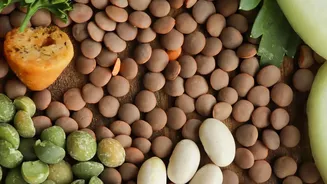
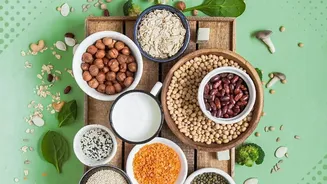
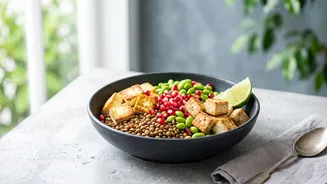
Lentils, or dal, are the backbone of Indian vegetarian cuisine for a reason. They are an affordable and potent source of plant-based protein, with a cooked cup offering around 8-9 grams. But their benefits go far beyond protein. Lentils are packed with dietary
fibre, which aids digestion and promotes a feeling of fullness, helping you manage your weight. They are also a fantastic source of iron, a crucial mineral for energy levels that can sometimes be a concern in vegetarian diets. Lentils are incredibly versatile; from soupy masoor dal to a hearty chana dal, they can be the star of a main course, a side dish, or even formed into savoury cutlets.
The Dairy Powerhouse: Paneer
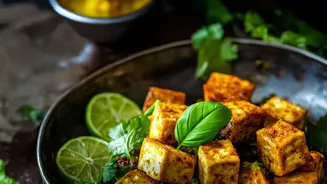
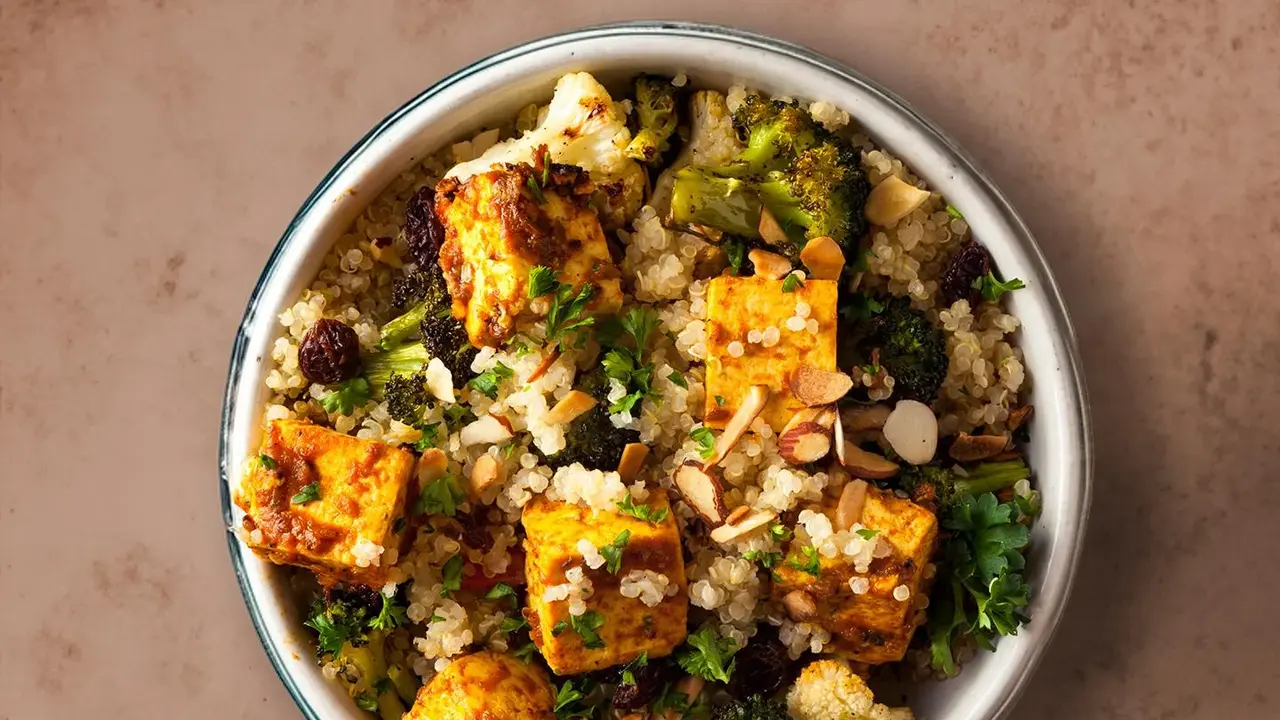
Paneer, or Indian cottage cheese, is a beloved ingredient that delivers a serious protein punch. A 100-gram serving can contain anywhere from 18 to 20 grams of protein, making it one of the most protein-dense vegetarian options available. As a dairy product, it provides high-quality, complete protein and is a significant source of calcium, which is vital for bone health. Its higher fat content makes it incredibly satisfying and energy-dense, perfect for those looking to build muscle or fuel an active lifestyle. Its mild, creamy flavour and firm texture allow it to be grilled, fried, or simmered in curries, making it a delicious and substantial part of any meal.
The Versatile Transformer: Tofu
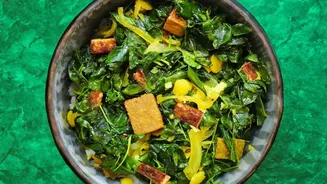
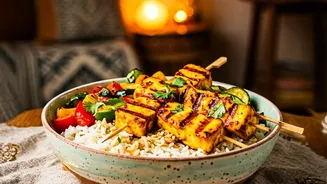
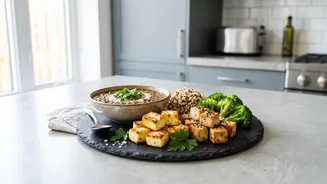
Tofu, made from soybeans, is a nutritional powerhouse and a cornerstone of many plant-based diets. A 100-gram serving of firm tofu provides about 8-10 grams of protein, but its real strength lies in its quality. Soy is a complete protein, meaning it contains all nine essential amino acids your body needs, similar to animal protein. Tofu is also significantly lower in calories and fat compared to paneer, making it an excellent choice for those managing their weight. It's also a great source of iron. What makes tofu truly special is its ability to absorb flavours. Its neutral taste means it can be marinated and seasoned to fit into any cuisine, from a spicy bhurji to a rich curry, providing a lean protein boost.
The Synergy Strategy: Combining for Complete Strength
While each of these ingredients is powerful on its own, combining them creates a superior nutritional strategy. Most plant proteins, like lentils, are 'incomplete', meaning they lack one or more essential amino acids. Tofu, however, is a complete protein. By pairing lentils with either tofu or paneer (also a complete protein) throughout the day, you ensure your body gets the full spectrum of amino acids it needs for muscle repair and growth. This doesn't necessarily have to be in the same meal. Having dal for lunch and a paneer or tofu dish for dinner works perfectly. This approach also provides a wonderful variety of textures and flavours, preventing dietary boredom and ensuring you get a wider range of nutrients, like the fibre from lentils, calcium from paneer, and iron from tofu.
Putting It on Your Plate: A Day of Protein
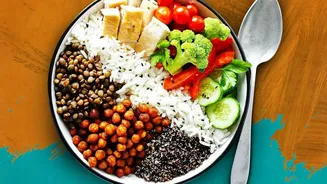
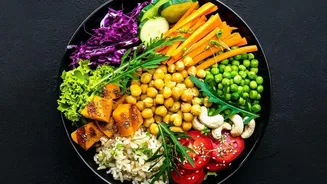
So, what does this look like in practice? A protein-packed vegetarian day is easier than you think. Start with a tofu scramble for breakfast. For lunch, a classic dal and rice combination provides a solid base; add a side of crumbled paneer to your vegetable sabzi for an extra boost. For an evening snack, consider a bowl of sprouts or roasted chana. Come dinner, a flavourful curry using both paneer cubes and firm tofu along with mixed vegetables can be both delicious and incredibly nourishing. By strategically including one or more of these three core ingredients in each meal, you can comfortably meet the daily recommended protein intake for an adult, which is about 0.8 to 1 gram per kilogram of body weight, without ever feeling like you're missing out.