



Why the Sudden Buzz?
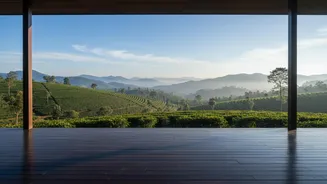
The shift towards slower, more immersive travel has found its perfect expression in India’s coffee country. Travellers are increasingly swapping hectic itineraries for the peace and quiet of a working plantation. This trend, part of a broader interest
in agritourism, allows guests to connect with nature and experience a slice of authentic local life. Instead of the anonymity of a large hotel, these stays are often family-run homestays where hosts share their culture and home-cooked Malnad or Kodava cuisine. The appeal is simple: it’s an escape from city noise to a place where the loudest sound might be the rustling of leaves. Recent data supports this shift, with a notable increase in passenger traffic to the gateways of coffee country and a significant portion of visitors being first-time coffee tourists under 35.
What Makes It 'Affordable'?
The word "affordable" is key to this trend's growth. While luxury resorts on former plantation lands can cost upwards of ₹20,000 per night, authentic homestays within working estates offer a richer experience for a fraction of the price. A mid-range estate stay in Coorg or Chikmagalur can average between ₹4,500 and ₹8,500 per night, often including breakfast and a plantation activity. This price point delivers significantly more value than a standard city hotel, as the experience is the main attraction. The cost covers not just a room, but an entire environment: sprawling acres of greenery, personal interaction with the growers, and often, meals prepared with local ingredients. It’s a move away from paying for a building towards paying for a place and its unique culture.
The Bean-to-Cup Experience
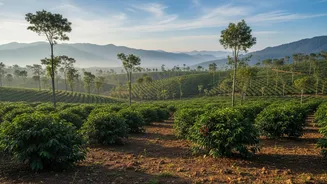
A coffee estate holiday is far more than just a scenic stay. It's an education in a cup. Most hosts offer guided plantation walks where you can learn to distinguish between Arabica and Robusta plants, see how pepper vines climb silver oak trees, and understand the journey from a bright red coffee cherry to a roasted bean. Depending on the season (harvest is typically November to March), you might even witness berry picking and processing. Beyond coffee, these estates are biodiverse havens perfect for birdwatching, gentle treks, and simply unwinding with a book on a quiet veranda. The experience is designed to be slow and sensory, a true antidote to a fast-paced urban life.
India's Coffee Heartland: Where to Go
Karnataka is the heartland of India's coffee scene, producing over 70% of the country's crop. Coorg (Kodagu) and Chikmagalur are the two most popular destinations. Coorg, known as the 'Coffee Capital of India', offers a mix of sprawling estates and unique Kodava culture. Chikmagalur, historically the birthplace of coffee in India, provides a similar lush landscape with its own distinct charm. Beyond Karnataka, Wayanad in Kerala combines coffee plantations with spice gardens and stunning natural beauty. For those looking to venture off the beaten path, Yercaud in Tamil Nadu and the increasingly recognised Araku Valley in Andhra Pradesh offer unique terroir and community-driven coffee cultivation experiences.
Tips for Planning Your Estate Stay
To ensure an authentic experience, it helps to know what to look for. When booking, ask if it’s a genuine working estate or simply a resort set in greenery. A real estate will often be family-run, serve local cuisine, and have a host who is directly involved in the coffee-growing process. Be sure to ask what activities are included, such as plantation tours or coffee tasting sessions. It’s wise to book at least a two-night stay to truly soak in the tranquil pace. Pack comfortable walking shoes, and depending on the season and region, a light jacket or rain gear. Most importantly, arrive with an open mind, ready to engage with your hosts and the serene environment.