







The Common Problem with Dairy Proteins
Whey and casein proteins, both derived from milk, are the long-reigning champions of the supplement world. They are complete proteins, rich in muscle-building amino acids, and effective. However, they come with a significant drawback for a large portion
of the population: digestive discomfort. The primary culprit is often lactose, the sugar naturally found in milk. An estimated 68% of the world's adult population has some difficulty digesting lactose, which can lead to bloating, gas, stomach cramps, and diarrhea. While whey protein isolate is filtered to contain much less lactose than whey concentrate, even trace amounts can trigger symptoms in sensitive individuals. Beyond lactose, some people have a sensitivity to milk proteins themselves, which can cause an inflammatory response and similar uncomfortable symptoms.
Can Plants Really Build Muscle?
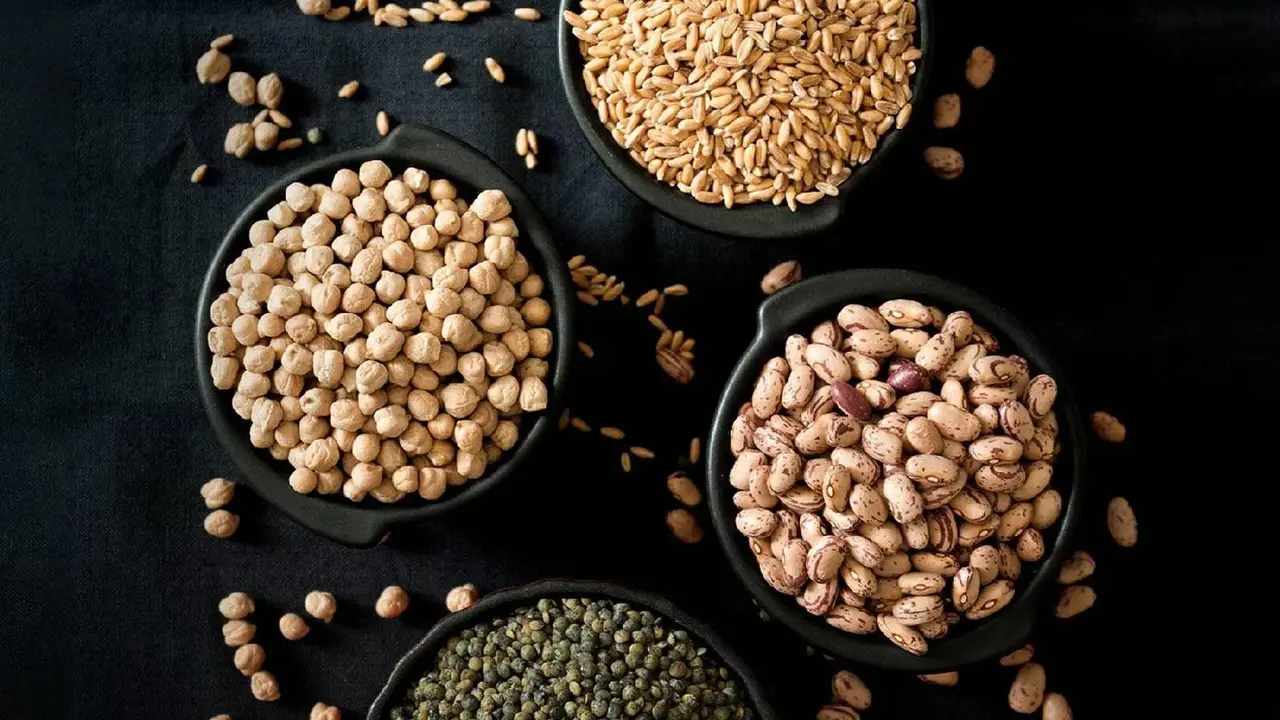
For years, a persistent myth suggested that plant-based proteins were inferior for muscle building because many are not 'complete'—meaning they lack one or more of the nine essential amino acids. However, this is an outdated view. Science and modern food technology have shown that plant-based proteins are incredibly effective for fostering lean muscle growth. Certain plant sources like soy and pea protein are either complete or very close to it. Furthermore, many plant-based protein powders on the market today are actually blends of different sources, such as pea and rice protein. This combination ensures a robust and complete amino acid profile, providing all the necessary building blocks your muscles need to repair and grow after a workout.
The Science of Plant-Powered Muscle Growth
Muscle growth, or hypertrophy, is triggered by resistance training and fueled by adequate protein intake. When you consume protein, your body breaks it down into amino acids, which are then used for muscle protein synthesis (MPS)—the process of repairing and rebuilding muscle fibers to be stronger and larger. The most critical amino acid for kickstarting this process is leucine. While whey is famous for its high leucine content, high-quality plant proteins are also rich in this key trigger. In fact, clinical studies have directly compared the effects of pea protein and whey protein on muscle growth. One notable 12-week study found that participants consuming pea protein experienced comparable or even slightly greater increases in muscle thickness compared to those taking whey protein. The takeaway is clear: as long as a protein source provides sufficient essential amino acids, particularly leucine, it can effectively support muscle development.
A Guide to Top Plant-Based Protein Powders
Navigating the world of plant protein can be simple. Here are some of the most effective and popular options available: Pea Protein: A powerhouse in the plant world, pea protein is rich in branched-chain amino acids (BCAAs), hypoallergenic, and easily digestible. It's often compared directly to whey for its muscle-building prowess. Soy Protein: As one of the few complete plant proteins, soy offers an amino acid profile very similar to dairy-based proteins, making it an excellent all-around choice. Brown Rice Protein: While slightly lower in some amino acids on its own, it’s a solid option that is often combined with pea protein to create a complete and potent blend. Hemp Protein: In addition to a good protein punch, hemp provides the added benefits of fibre and healthy omega fatty acids, contributing to overall wellness. Many of the best products on the market are blends, combining two or more of these sources to deliver a powerful, multi-faceted protein supplement.