




The chill of winter doesn't mean giving up on fresh, aromatic herbs. Imagine plucking a few leaves of Tulsi for your morning tea or fresh Dhania for a garnish, right from your own balcony. It's easier than you think.
The Foundation: Pots and Soil
Your success begins with the right
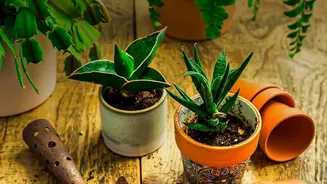
setup. Choose containers that are at least 6-10 inches in diameter to give the roots enough space to grow. Drainage is crucial, especially in winter when soil stays moist longer, so ensure every pot has holes at the bottom. Avoid using simple garden soil, which compacts easily and can lead to root rot. Instead, use a high-quality commercial potting mix. For an even better medium, you can create your own by mixing equal parts potting soil, compost, and perlite or coarse sand. This combination ensures good drainage, aeration, and provides the necessary nutrients for your herbs to thrive.
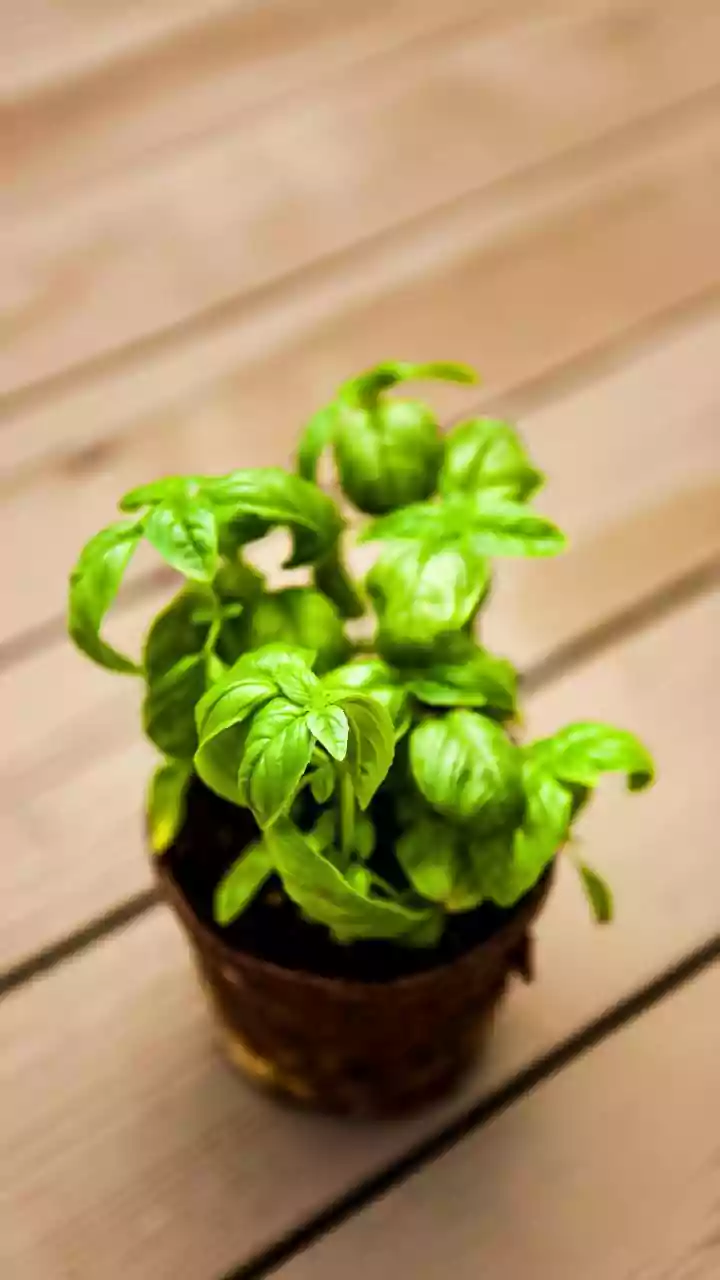
Tulsi (Holy Basil): The Sacred Plant
Tulsi is a tropical plant and requires special attention during the colder months. It is highly sensitive to frost and cold drafts. If you live in an area where temperatures drop below 10-15 degrees Celsius, it's best to move your potted Tulsi indoors at night. Place it on a sunny windowsill where it can receive adequate light while being protected from the cold. Watering should be significantly reduced in winter as the plant's growth slows down. Check the soil by sticking a finger an inch deep; water only when it feels dry. Overwatering is a common mistake and can cause root rot, which is a major risk in cold, damp conditions. Also, regularly pinching off the flower buds (manjiri) will encourage the plant to produce more leaves.
Mint (Pudina): The Eager Spreader
Mint is famously easy to grow, but it's also an aggressive spreader. Its roots, or runners, will quickly take over any available space, making it an ideal candidate for container gardening. A pot that is 10-12 inches wide will keep it contained while giving it enough room to flourish. Mint is frost-tolerant and often dies back in winter before reappearing in the spring. For a winter supply, keep the pot in a spot that gets a few hours of sun. While it's a hardy plant, mint prefers consistently moist soil, so don't let the pot dry out completely. Harvesting regularly by snipping the top stems encourages the plant to become bushier and more productive. You can easily start a new plant from a cutting of an existing one.
Coriander (Dhania): The Cool-Weather Staple
Coriander, or Dhania, actually prefers the cooler temperatures of winter and is less likely to 'bolt' (flower prematurely) than in the summer heat. This makes it a perfect winter container crop. Use a pot that is at least 20 cm deep to accommodate its taproot. Coriander dislikes having its roots disturbed, so it is best to sow seeds directly into the pot where they will grow. For faster germination, you can gently crush the seeds before sowing them about 1 cm deep. Keep the soil consistently moist but not waterlogged to prevent bolting. For a continuous supply of fresh leaves through the season, sow a new batch of seeds every three to four weeks. Place the container in a spot that receives morning sun.
General Winter Care
Container herbs require a bit of attention to thrive through winter. Since daylight hours are shorter, place your pots in the sunniest spot you have, like a south-facing balcony or window. If sunlight is very limited, you can supplement with a grow light. Water your herbs in the morning to allow the soil to absorb moisture before temperatures drop at night. Always check the soil before watering; overwatering is the most common reason for herbs failing in winter. Avoid heavy pruning during deep winter, as this encourages delicate new growth that can be damaged by the cold. A light harvest is fine, but save major trimming for when the weather warms up in spring.