





The Old Fitness Story is Changing
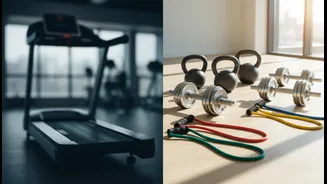
For decades, the path to fitness for many Indian women was paved with steady-state cardio. The goal was often singular: lose weight. This narrative suggested that hours spent running, cycling, or on the elliptical were the primary way to achieve a certain
look. But a new mindset is taking hold, one that shifts the focus from subtraction (burning calories) to addition (gaining strength). This change is driven by a desire for fitness that goes beyond aesthetics, focusing instead on capability, longevity, and empowerment.
What Is Functional Strength Training?
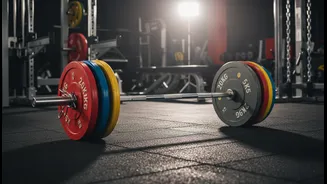
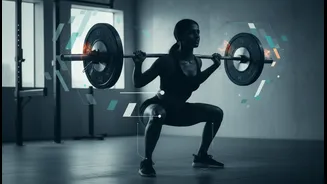
Functional strength training is a style of exercise that trains your muscles to handle real-life activities safely and efficiently. Think about the movements you do every day: carrying heavy grocery bags, lifting a child, climbing stairs, or placing a suitcase in an overhead bin. Functional exercises like squats, deadlifts, lunges, and kettlebell swings mimic these exact patterns. Instead of isolating one muscle, these compound movements engage multiple muscle groups at once, training your body to work as a single, coordinated system. This builds practical, real-world strength that makes daily life easier and safer.
The Powerful Benefits for Women
The reasons for this shift are compelling. A significant benefit is an increased metabolism. While cardio burns calories during the workout, building lean muscle through strength training means your body burns more calories even at rest. This makes it highly effective for sustainable fat loss without the fear of becoming 'bulky'—a common myth, as women typically don't have the testosterone levels for large muscle growth. Furthermore, resistance training is crucial for bone health. It stimulates bone growth and improves density, which is vital for women, who are more susceptible to osteoporosis, especially post-menopause. It also enhances posture, core stability, and balance, protecting the spine and reducing the risk of injury from a sedentary lifestyle.
Why This Trend is Booming in Urban India
Several factors are driving this movement among urban Indian women. For time-crunched professionals, functional training is incredibly efficient; a focused 45-minute session can offer comprehensive benefits that might otherwise require longer cardio workouts. The rise of social media has also played a huge role, with fitness influencers and celebrity trainers like Yasmin Karachiwala and Namrata Purohit popularising Pilates and functional workouts. This visibility has dismantled old stereotypes and reframed strength as a symbol of empowerment, not masculinity. The post-pandemic era has also brought a greater focus on overall health and immunity, with a growing understanding that being strong is key to long-term wellness.
How to Get Started with Functional Strength
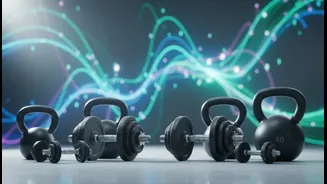
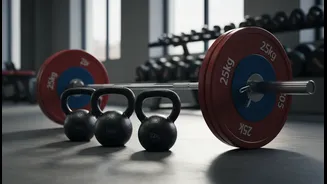
Starting your functional strength journey doesn't have to be intimidating. The key is to begin with the basics and prioritise proper form. You can start with bodyweight exercises like squats, lunges, and planks to build a solid foundation. As you get stronger, you can gradually introduce weights like dumbbells or kettlebells. Finding a qualified trainer who understands functional movement can be invaluable in creating a safe and effective program tailored to your goals. They can teach you correct techniques to prevent injury and ensure you're getting the most out of every movement. Most importantly, listen to your body and progress at a pace that feels right for you.