







From Sightseeing to 'Doing'
Experience-first travel prioritises immersive activities over simply visiting famous sites. Think less about getting the perfect photo in front of a monument and more about creating a lasting memory. This means your travel plans might centre on a multi-day
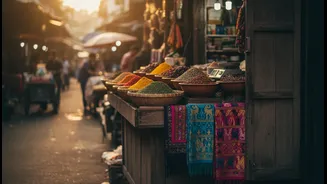
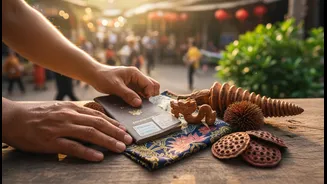
trek in Nepal, a traditional weaving workshop in a Laotian village, or learning to cook regional dishes with a local family in Thailand. The focus shifts from what you see to what you actively participate in. This approach is gaining popularity as travellers, particularly from younger generations, seek more authentic and meaningful connections with the cultures they visit. It's about turning your holiday into a story of personal engagement rather than a checklist of attractions.
Rethinking the Itinerary
An experience-first mindset completely changes how you plan your trip. Itineraries become more flexible and less packed. Instead of hopping between cities every two days, this approach often embraces 'slow travel', where you might spend a week or more in one region to fully absorb its atmosphere. This allows for spontaneity—following a local recommendation to a hidden market or joining a community festival you stumble upon. Planning might start with an activity you want to do, like a diving course in Indonesia or staying in a Buddhist temple in Japan, and building the trip around that, rather than just picking cities on a map. This makes travel less of a race and more of a genuine discovery.
How Budgets Are Shifting
An experience-led holiday doesn't necessarily mean a more expensive one, but it does mean your money is spent differently. Recent data shows travellers are often willing to cut back on flights and accommodation to free up funds for unique experiences. You might save money by opting for a local homestay instead of a five-star hotel, but then spend more on a certified guide for a mountain trek or a multi-day cooking course. The budget shifts from luxury goods and premium rooms to paying for skills, knowledge, and access to authentic local life. Many find this offers better value, as the money directly supports local communities and creates more memorable moments than a generic hotel stay ever could.
Asia's Experiential Hotspots
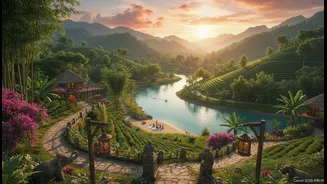
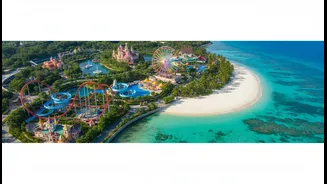
Asia is a continent perfectly suited for this style of travel, offering incredible diversity. In Northern Thailand, you can visit an elephant sanctuary and then stay with a local family in a remote village. Vietnam offers opportunities to explore spectacular natural landscapes like Ha Long Bay or live with ethnic minority groups in the countryside. For those seeking adventure, Kyrgyzstan offers treks through untouched mountains and stays in traditional yurts. In Japan, you can go beyond the city bustle to stay in a family-run 'ryokan' or learn a traditional craft like fan painting. Even for Indian travellers, data shows a trend towards booking holidays centred around specific activities, from theme parks to island tours, indicating a broader shift towards experience-led trips.
The Payoff of Immersive Travel
Adopting an experience-first approach requires a change in mindset. It means letting go of the fear of missing out on seeing every single landmark. It demands more research, flexibility, and a willingness to step outside your comfort zone. The reward, however, is a much deeper and more profound travel experience. You return home not just with photos, but with new skills, meaningful connections, and stories that go beyond the surface. By engaging directly, travellers often find their perspective broadened and gain a more rounded understanding of the world. It transforms a simple vacation into a journey of personal growth and genuine cultural exchange.