





The Hidden Plastic in Your Cup
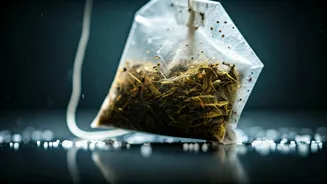
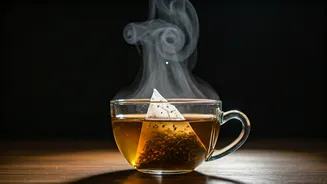
The problem lies not with the tea leaves, but with the bags they come in. While we might think of tea bags as simple paper, many varieties contain plastic. So-called 'silken' or pyramid-shaped bags, often marketed for premium teas, are frequently made
of nylon or polyethylene terephthalate (PET). Even standard paper tea bags often contain polypropylene, a plastic used as a sealant to hold the bag together. When these plastic-containing bags are steeped in hot water, they don’t just infuse flavour; they can also shed microscopic plastic particles.
A Shocking Number of Particles
The amount of plastic released is startling. A landmark 2019 study from McGill University found that a single plastic tea bag steeped at brewing temperature (95°C) could release approximately 11.6 billion microplastics and 3.1 billion smaller nanoplastics into one cup. This is thousands of times higher than the levels of microplastics previously reported in other foods and beverages, including bottled water. These particles are invisible to the naked eye, meaning you are unknowingly consuming them with every sip.
What Are the Health Risks?
The science on the direct health impact of ingesting microplastics is still developing, but it is an area of growing concern for medical professionals. Studies suggest these tiny particles can be absorbed by intestinal cells and may accumulate in the body. Concerns range from potential disruption to gut health and inflammation to the possibility of the plastics carrying harmful chemicals used in their manufacturing, such as phthalates. While there is no definitive consensus on long-term effects, the principle of avoiding unnecessary consumption of plastic is a prudent one.
How to Choose a Safer Sip
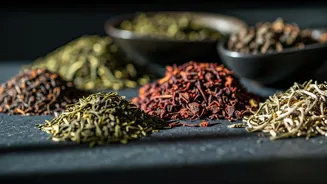
The good news is that you can easily reduce your exposure. The most effective way is to switch to loose-leaf tea. Using a metal or ceramic infuser eliminates the bag entirely. If you prefer the convenience of bags, look for brands that explicitly state they are '100% plastic-free'. These bags are typically made from materials like unbleached paper, corn starch (PLA), or abaca plant fibres, and are often stapled or stitched shut instead of being heat-sealed with plastic. Be wary of terms like 'silken' or 'mesh', as these are often indicators of plastic. Many brands, responding to consumer demand, are now transitioning to plastic-free materials, so it's worth checking the packaging or the company's website.
Beyond the Teacup
Choosing plastic-free tea is not just a health decision; it's also an environmental one. Tea bags containing plastic contribute to pollution because they are not fully biodegradable or compostable. The plastic components break down into smaller microplastics, which can contaminate soil and waterways. By opting for plastic-free alternatives, you are casting a vote for a healthier planet and encouraging more companies to adopt sustainable practices.