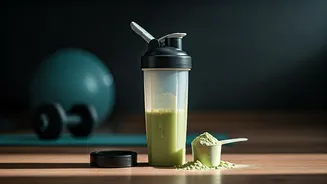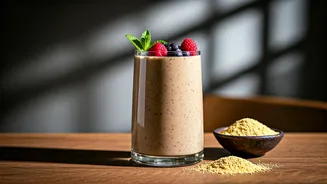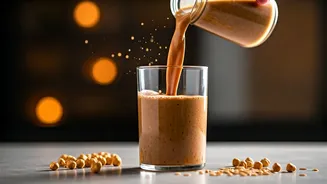





A New Post-Workout Staple
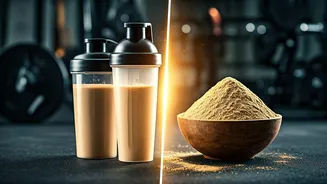
For years, the gold standard for muscle recovery has been whey protein, a dairy by-product. It became synonymous with gym culture, an essential part of the fitness enthusiast's toolkit. Today, however, a growing number of young Indians are swapping their
whey tubs for powders derived from yellow split peas. This isn't just a niche trend for vegans; it's a mainstream move by millennials and Gen Z who are rethinking what they put into their bodies after a workout. The conversation is shifting from 'how much protein?' to 'what kind of protein?', and the answer, increasingly, is plant-based.
So, What Is Pea Protein?
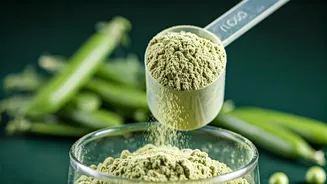
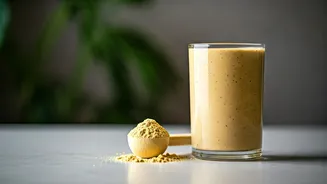
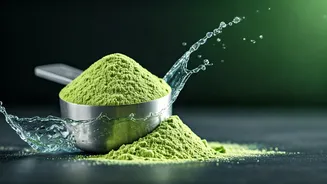
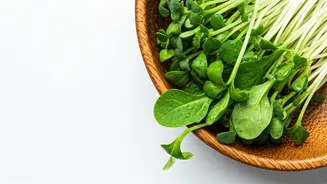
Pea protein is a high-quality protein supplement made by extracting protein from yellow split peas. The peas are dried and ground into a fine flour, which is then mixed with water to separate the fibre and starch, leaving a paste rich in protein, vitamins, and minerals. This paste is then dried and ground into a fine powder—the supplement you see on shelves. Nutritionally, it’s a powerhouse. It’s rich in iron and contains all nine essential amino acids, although it is slightly low in methionine. However, for those eating a varied diet, this is rarely an issue. Most importantly for athletes, it is packed with Branched-Chain Amino Acids (BCAAs) like leucine, isoleucine, and valine, which are crucial for muscle growth and repair.
The Move Away From Whey
One of the primary drivers behind pea protein’s rise is the growing list of complaints against whey. Lactose intolerance is a significant factor. Many individuals experience bloating, gas, and digestive discomfort from dairy-based whey proteins. Pea protein offers a hypoallergenic, easily digestible alternative. Beyond digestion, there's a rising 'clean eating' consciousness. Consumers are becoming warier of the hormones and antibiotics potentially used in the dairy industry, seeking supplements with shorter, more natural ingredient lists. Pea protein, especially from non-GMO sources, fits this clean-label demand perfectly. Studies have also shown that when it comes to muscle synthesis, pea protein can be just as effective as whey when consumed in sufficient quantities, debunking the old myth that plant proteins are inferior for athletic performance.
The 'Made in India' Factor
The trend gets a powerful boost from the 'vocal for local' sentiment. India is one of the world's largest producers of peas, creating a perfect opportunity for homegrown brands to enter the market. A new wave of Indian wellness startups is now sourcing, processing, and marketing their own pea protein isolates. This resonates strongly with young consumers who are not only health-conscious but also value supporting the national economy. Seeing 'Made in India' on a high-quality wellness product adds a layer of trust and pride, distinguishing it from imported brands that have long dominated the supplement space. This localisation also makes the supply chain more transparent and often more affordable.
More Than Muscle: An Ethical Choice
The decision to switch is often about more than just personal health. For many young people, it's an ethical and environmental statement. The carbon footprint of plant-based agriculture is significantly lower than that of dairy farming. Choosing pea over whey is seen as a small but meaningful way to contribute to a more sustainable planet. This aligns with a broader generational shift towards conscious consumerism, where purchasing decisions are a reflection of one's values. This 'holistic wellness' approach—caring for one's body and the planet simultaneously—is a defining characteristic of the young, modern Indian consumer.