


Your Stargazing Starter Kit
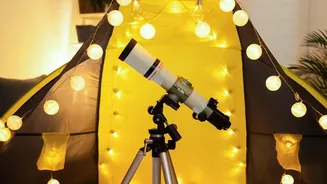
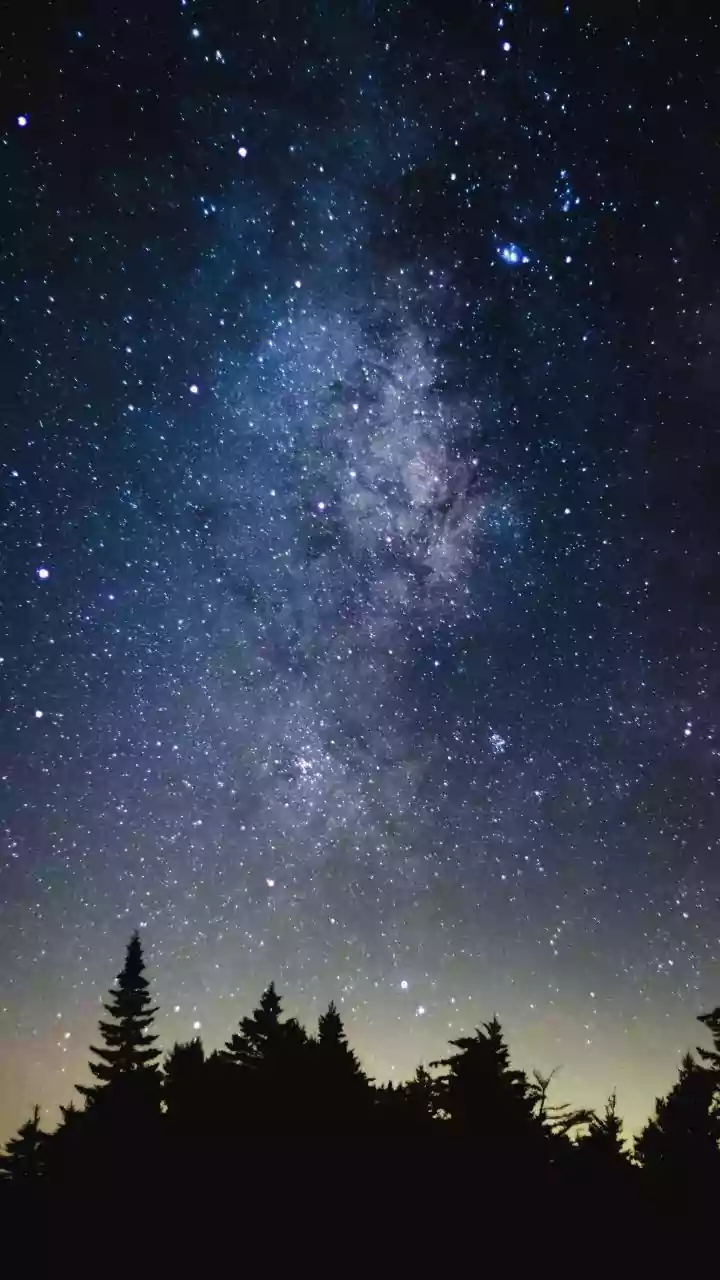
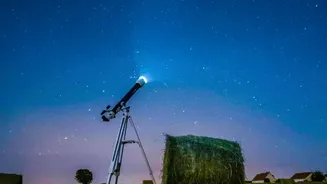
You don't need expensive equipment to start enjoying the night sky. The most important tools are your eyes and a bit of patience. Find a spot away from city lights, as light pollution can wash out fainter stars. A park, a terrace, or a trip to the countryside
works wonders. Give your eyes about 20 minutes to fully adjust to the darkness; avoid looking at your phone screen. A simple pair of binoculars can enhance the view of planets and the Moon, but they aren't essential for catching the main events.
A Tale of Two Meteor Showers
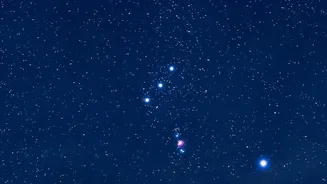
October hosts two noteworthy meteor showers. First up are the Draconids, active from October 6 to 10. The best time to watch is in the early evening of October 8-9, just after nightfall. Unlike most showers, you don't need to stay up late. This year offers excellent viewing conditions with an almost moonless sky. While typically a modest shower with about 10 meteors per hour, the Draconids are known for occasional surprise outbursts. Later in the month, look for the Orionids, which are active from October 2 to November 7. This shower, created by debris from the famous Halley's Comet, will peak on the nights of October 21-22. Expect to see around 15 to 25 fast, bright meteors per hour from a dark location. The best viewing window is in the pre-dawn hours, after the bright moon sets. The meteors will appear to radiate from the constellation Orion.
The Planet Line-Up
Several planets will be on display this month. Saturn reaches opposition on October 4, meaning it will be at its closest and brightest for the year, visible all night long. Look for it as a steady, golden point of light. While its famous rings require a telescope, the planet itself is easily visible to the naked eye. Jupiter will be a brilliant object in the early morning sky, rising in the east between 2 a.m. and 5 a.m. Red Mars will also be a morning target, visible before dawn. For those with a keen eye just after sunset, Mercury may be visible low on the western horizon around October 12, when it reaches its greatest eastern elongation.
Constellations to Spot
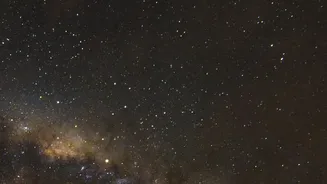
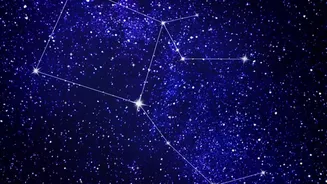
As summer's constellations set in the west, the autumn stars take center stage. The most prominent pattern is the Great Square of Pegasus, a large box of four stars high in the sky. This celestial landmark can guide you to the Andromeda Galaxy, the most distant object you can see with your unaided eye. It appears as a faint, fuzzy patch of light from a dark sky location. In early October, you can still catch the bright stars of the Summer Triangle—Vega, Deneb, and Altair—as they move across the western sky. As the month progresses, the famous winter constellation Orion the Hunter begins its ascent in the east after midnight, heralding the coming season of bright stars.
Following the Moon
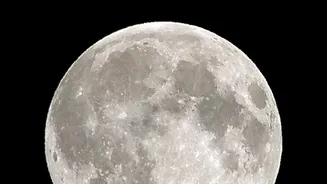
The Moon's phases play a big role in stargazing. The best time for viewing faint objects like meteor showers and distant galaxies is during the New Moon on October 10. This is when the sky will be at its darkest. The Full Moon, known as the Hunter's Moon, occurs on October 26. While the bright moonlight will wash out fainter stars, the full moon itself is a beautiful sight, rising in the east as the sun sets in the west.