







The Simple Science of a Slip
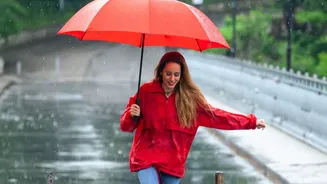
Every step you take relies on friction, the force that prevents your shoes from sliding across the floor. On a dry surface, the microscopic textures of your shoe's sole and the flooring interlock, creating a strong grip. However, when you walk in from the rain,
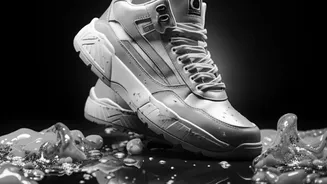
you bring a thin layer of water with you. This water fills the tiny gaps and grooves on both surfaces, acting as a lubricant. Instead of your shoe directly gripping the floor, it begins to hydroplane on a near-invisible film of moisture. This dramatically reduces the coefficient of friction, which is the technical measure of how much grip exists between two surfaces. The result is a slippery, unstable feeling that can easily lead to a fall.
The Illusion of a Dry Shoe
Here's where the real danger lies. After a few steps on an absorbent doormat or across a carpeted entryway, your shoes might feel dry. You no longer leave obvious wet footprints, leading you to believe the risk is gone. But this is often a false sense of security. While the bulk of the water has been wiped away, a micro-layer of moisture can remain on the soles. This is particularly true for shoes with smooth, non-porous rubber or polymer soles, which don't absorb water. This lingering dampness is enough to prevent the sole from making full, solid contact with smooth indoor flooring like tile, polished concrete, or laminate. The grip remains compromised even when the shoe appears dry to the naked eye.
How Long Does the Danger Last?
The duration of this reduced grip depends on several factors: the material of your shoe's outsole, the type of flooring, and how much water was on the shoe to begin with. Shoes with deep treads or channels are designed to push water out from under the foot, helping them regain traction faster. In contrast, a shoe with a worn, smooth sole can stay slippery for a significant distance. Padded sneakers can hold moisture for hours, sometimes even a full day, meaning the sole itself remains subtly damp. It can take dozens of steps on a dry surface before enough friction and heat are generated to fully evaporate the residual moisture and restore normal grip. Until then, every step carries a slightly elevated risk.
How to Stay Safe on Slippery Floors
Preventing a fall is about being mindful and proactive. The most effective strategy is to thoroughly dry your shoes upon entering a building. Don't just take two or three quick stomps on the mat. Pause and deliberately wipe the entire surface of each sole. Absorbent mats at every entryway are crucial for trapping moisture before it spreads. Once inside, adjust your gait. Take slower, shorter, more deliberate steps with your feet slightly pointed outward to maintain your center of gravity. Avoid making sudden turns or quick pivots, as this is when the reduced friction is most likely to cause a slip. In the long term, consider your footwear choices on rainy days. Opt for boots or shoes with slip-resistant soles that have deep treads designed to perform well in wet conditions.