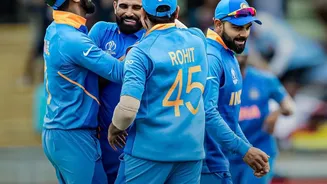




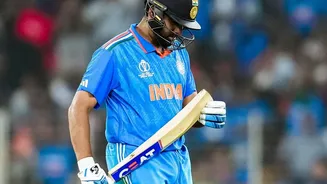
They were the defending champions, unbeaten and unstoppable. For seven straight games, MS Dhoni's Team India looked destined to retain the crown. Then came the semi-final against Australia. What went wrong on that day in Sydney? Let's break it down.
The Immovable Object: Steve Smith
Before
the semi-final, Steve Smith had already tormented India during the preceding Test series, scoring four centuries. That red-hot form carried into the World Cup knockout stage. On a day when India needed early wickets, Smith walked in and played a near-flawless innings. He scored a masterful 105 off just 93 balls, neutralising India's bowlers and setting a platform for Australia's massive total. His ability to find gaps, rotate the strike, and attack at will took the game away from India in the first innings itself. The Indian bowlers, who had been exceptional throughout the tournament, had no answer to his brilliance.
A Bowling Attack That Finally Cracked
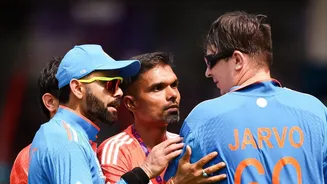
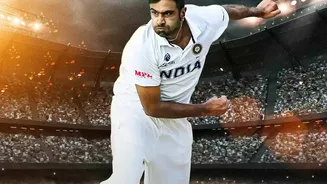
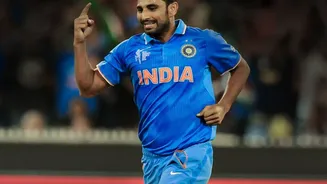
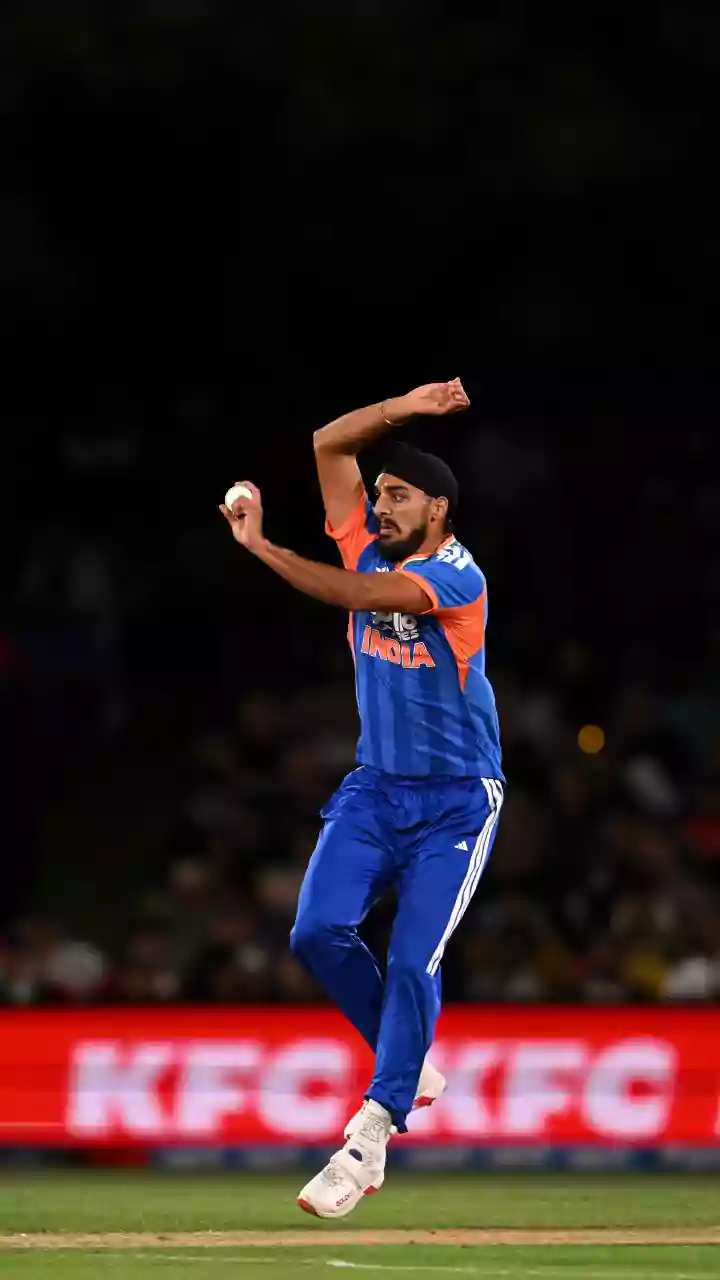
A key reason for India's dominant run to the semi-finals was their bowling. For seven consecutive matches, the Indian bowlers managed to bowl out their opponents. However, against a powerful Australian batting lineup on their home turf, the attack buckled under pressure. While Ravichandran Ashwin was economical, the pace trio of Umesh Yadav, Mohammed Shami, and Mohit Sharma conceded runs at a high rate. They strayed from the disciplined lines and lengths that had served them so well. A late onslaught from Mitchell Johnson, who smashed 27 off just nine balls, pushed Australia’s score to 328, the highest ever in a World Cup semi-final at the time.
The Top-Order Tumble Under Pressure
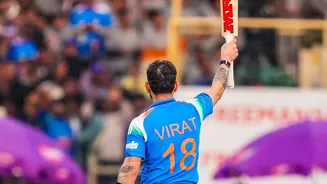
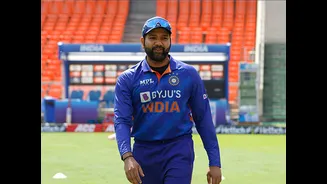
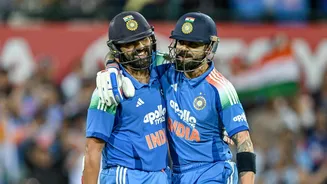
Chasing 329 in a high-pressure knockout game required a strong start, and for a while, India had one. Shikhar Dhawan (45) and Rohit Sharma gave the team a solid platform. However, once Dhawan fell, a collapse ensued. Virat Kohli, the master of the chase, was dismissed for just one run, trying to pull a short ball from a fiery Mitchell Johnson. The dismissal was a body blow from which India never fully recovered. Rohit Sharma and Suresh Raina also departed without making significant contributions, leaving the middle order with an insurmountable task. The failure of the famed top order at a crucial juncture was a decisive factor in the loss.
The Australian Home-Ground Advantage
Playing in their own backyard was a significant advantage for Australia. The Sydney Cricket Ground (SCG) was a sea of blue with travelling Indian fans, but the Australian players were intimately familiar with the conditions. Their bowlers, led by Mitchell Starc and Mitchell Johnson, knew exactly which lengths to bowl on the SCG pitch. Furthermore, chasing a large total under lights against a home team brimming with confidence is one of the toughest tasks in cricket. Australia was not just a team; they were a well-oiled machine that had been fine-tuned for these conditions, a challenge that proved too great even for the defending champions.
Dhoni's Lone Battle
Amidst the wreckage of the chase, captain MS Dhoni stood tall. He walked in with the team struggling at 108/4 and fought a lone battle to keep India's faint hopes alive. He absorbed the pressure and stitched together a partnership with Ajinkya Rahane. Dhoni went on to score a resilient 65 off 65 balls, including two consecutive sixes off Shane Watson. However, with the required run rate climbing and wickets falling at the other end, the task was too much for one man. His innings ended with a sharp piece of fielding from Glenn Maxwell, a direct-hit run-out that symbolized the end of India's campaign.