








The Winter Pollution Trap
During India's winter months, a combination of factors creates a perfect storm for air pollution. Stubble burning in agricultural states, emissions from vehicles and industry, and festive fireworks all contribute to a spike in particulate matter. A weather
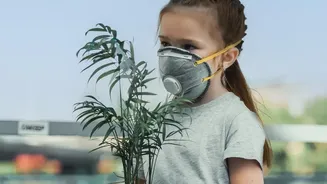
phenomenon called temperature inversion then traps this cold, dense, polluted air close to the ground, creating the familiar winter smog. What many of us don't realise is that this polluted outdoor air doesn't stay outside. Fine particulate matter, especially harmful PM2.5 particles, easily infiltrates our homes through doors, windows, and tiny cracks in the building structure. Because we keep our homes sealed for warmth, these pollutants become trapped, and concentrations can build up to levels that are several times higher than outdoors.
Ventilate, But Do It Smartly
It might seem counterintuitive to open windows when the air outside is bad, but a complete lack of ventilation is also a problem. It allows indoor-generated pollutants—from cooking, cleaning products, and even breathing—to accumulate. The solution is 'strategic ventilation'. Monitor the outdoor Air Quality Index (AQI) using a reliable app or website. Identify the time of day when the AQI is at its lowest, which is often in the mid-afternoon. During this window, open your windows and doors for a short period, perhaps 10-15 minutes, to allow for a rapid exchange of air. This 'shock ventilation' helps flush out stale indoor air without allowing outdoor pollutants to build up excessively.
Upgrade Your Cleaning Habits
Those tiny PM2.5 particles don’t just float in the air; they settle on every surface in your home. A simple dusting with a dry cloth can send these particles right back into the air. Instead, switch to damp dusting with a microfibre cloth, which traps dust and particulates. Mopping floors frequently with plain water or a mild cleaner is also more effective than sweeping. For carpets and upholstery, which are magnets for dust and allergens, regular vacuuming is key. If possible, use a vacuum cleaner equipped with a HEPA (High-Efficiency Particulate Air) filter, as this ensures that fine particles are trapped inside the machine rather than being exhausted back into the room.
Leverage Technology: The Role of Air Purifiers
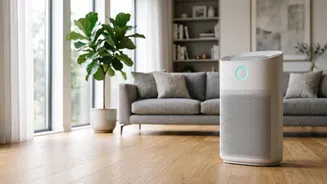
In regions with severe winter pollution, an air purifier can be a crucial tool. These devices work by pulling in air and passing it through a series of filters. The most important of these is the HEPA filter, which is specifically designed to capture fine particles like PM2.5. Studies have shown that using a HEPA purifier can reduce indoor PM2.5 concentrations by 50% or more. When choosing a purifier, look for one with a CADR (Clean Air Delivery Rate) appropriate for your room size. For it to be effective, you must run it consistently, especially during periods of high pollution, and keep the doors and windows of that room closed. Remember to clean the pre-filter and replace the main HEPA filter according to the manufacturer's instructions.
Reduce Indoor Pollution Sources
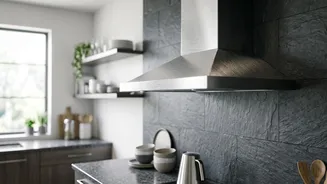
While you can't control the air outside, you can control what you release inside your home. Many common household items contribute to indoor pollution. Burning incense sticks (agarbattis) and candles, while pleasant, releases significant amounts of particulate matter. Aerosol sprays and harsh chemical cleaning agents emit Volatile Organic Compounds (VOCs), which can irritate the respiratory system. Opt for non-toxic, natural cleaning solutions like vinegar and baking soda where possible. Always use an exhaust fan when cooking, especially when frying or roasting, to vent fumes outside. Creating a no-shoes policy in the house can also significantly reduce the amount of dust and pollutants tracked in from outside.
Consider Natural Allies and Humidity Control
Certain houseplants are known for their air-purifying qualities, though it's important to have realistic expectations—you would need a large number of them to match the effect of a mechanical purifier. Still, plants like snake plants, spider plants, and peace lilies can help filter some toxins and add a touch of nature. Another key aspect of indoor air is humidity. The EPA recommends keeping indoor humidity between 30% and 50%. Air that is too damp can encourage the growth of mould and mildew, while air that is too dry can irritate your airways. Using a dehumidifier in damp areas and ensuring proper ventilation in bathrooms and kitchens can help maintain this healthy balance.