




The New Reality of Urban Living
The way we live in India is changing. While some reports show a post-pandemic demand for larger luxury homes, the reality for many in dense urban centres is that space remains a premium commodity. At the same time, our homes have never worked harder.
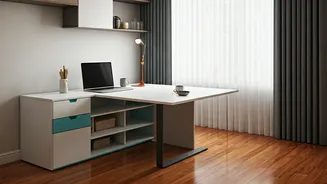
The rise of hybrid and remote work culture means a corner of the living room or bedroom must now function as a productive office. This has created a direct need for home environments that are more adaptable and efficient. Our spaces are no longer just for relaxing; they must seamlessly transition between personal and professional life, often within the same square footage. This puts immense pressure on traditional, single-purpose furniture, making rooms feel cluttered and less functional.
The Rise of the Transformer Home
Enter flexible, or multifunctional, furniture. This isn't just about downsizing; it's about choosing pieces that are smarter, serving multiple purposes to maximize utility. A single, well-chosen item can replace several others, which not only saves precious floor space but also reduces clutter and can be more cost-effective in the long run. Think of it as creating a home that can transform according to your needs throughout the day. It’s a design philosophy that provides the versatility modern life demands, allowing a living room to become a guest room, or a dining area to double as a workspace. This adaptability ensures your home evolves with you, accommodating changes in your lifestyle without needing a larger footprint.
Your Small Space Furniture Toolkit
So, what does this look like in practice? Certain pieces have become heroes of the small-space movement. The sofa-cum-bed is a classic example, offering comfortable seating by day and a guest bed by night, solving a common dilemma in homes without a dedicated guest room. Storage beds are another game-changer, utilizing the often-wasted space underneath the mattress to store extra bedding, seasonal clothing, or luggage, reducing the need for bulky cupboards. For living and dining areas, extendable tables and nesting coffee tables are invaluable. A table can stay compact for daily use and expand only when you have guests, while nesting tables can be spread out when needed and stacked away to reclaim floor space. Similarly, ottomans with hidden storage provide a footrest, extra seating, and a place to hide clutter all in one.
Thinking Vertically and Visually
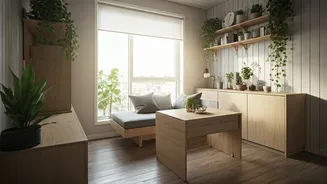
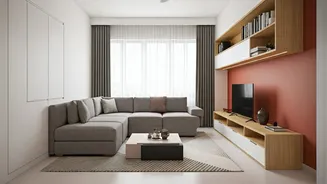
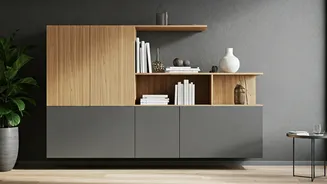
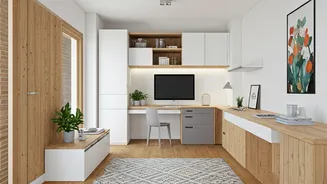
Smart furnishing goes beyond just the pieces you buy; it's also about how you use your space. Interior design trends for 2026 heavily emphasize vertical space optimization. When floor space is limited, the only way to go is up. Wall-mounted shelves, foldable desks, and floor-to-ceiling cabinetry draw the eye upward and free up the ground, making a room feel more open and organized. These solutions keep walkways clear and reduce the visual weight that bulky, floor-based furniture can create. It’s a shift in perspective: seeing your walls not just as boundaries, but as functional surfaces ready to be activated for storage and utility, turning a small room into a highly efficient and stylish one.