



Our Dazzling Celestial Neighbour
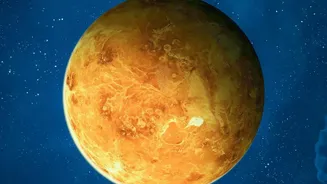
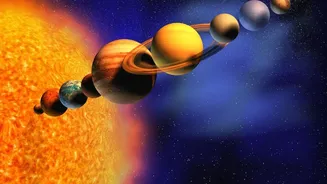
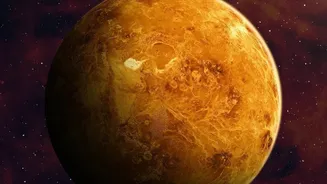
Venus is often the first point of light to appear in the evening sky, earning it the nickname 'the Evening Star'. It’s not a star at all, but the second planet from the Sun and our closest planetary neighbour. Wrapped in thick, highly reflective clouds,
Venus shines brighter than any other planet or star in our sky. Throughout August 2026, it is dominating the western sky, offering a fantastic opportunity for even the most casual sky-watchers to enjoy a moment of cosmic wonder. Its brilliance is so striking that it is often mistaken for an airplane, but its light is steady and unwavering.
When and Where to Look
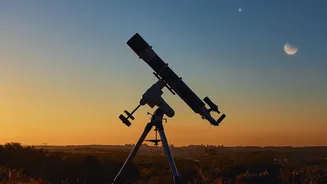
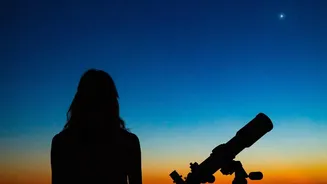
Timing and direction are everything, but luckily, finding Venus is simple. The best time to look is in the early evening, starting about 30 to 45 minutes after the sun has set. Your target direction is the western or west-southwestern sky—the same direction where the Sun just went down. Venus will be the most prominent object in that part of the sky, shining with a powerful, silvery-white light. It will remain visible for about 90 minutes after sunset before it follows the Sun below the horizon. The middle of the month is an especially good time, as Venus reached its greatest separation from the Sun on August 15, making it hang beautifully in the twilight.
A Simple Step-by-Step Guide
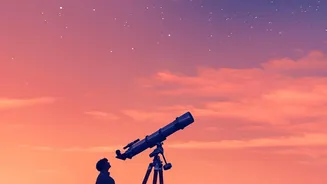
You don’t need any special equipment to see Venus. Just follow these easy steps: 1. Find Your Spot: A few minutes after sunset, head outside. Try to find a location with a relatively clear view of the western horizon. This could be a balcony, a rooftop, a local park, or even just a window that faces the right direction. 2. Let Your Eyes Adjust: Give your eyes a few minutes to adapt to the deepening twilight. Avoid looking at your bright phone screen, as this will reset your night vision. 3. Scan the Western Sky: Look towards the glow left by the setting Sun. As the sky darkens, you will see a single, exceptionally bright point of light emerge. That’s Venus. You simply cannot miss it. 4. Know What You're Seeing: Unlike stars, which tend to twinkle, Venus shines with a steady, serene light. And unlike an airplane, it won't be moving across the sky. It will appear fixed in its position, slowly sinking towards the horizon over the course of the evening.
Tips for Stargazing in the City
Living in a bright, bustling Indian city doesn't mean you have to miss out. Venus is so intensely bright that it easily cuts through a great deal of urban light pollution. However, to enhance your experience, try to get as high up as you can. A terrace or the top floor of an apartment building can lift you above the worst of the direct street-level glare. Finding a spot away from immediate, bright lights will also help your eyes adjust better, making the planet pop even more against the darkening sky. While Venus itself is easy to see, finding darker spots will also give you a chance to spot other, fainter stars as they appear.
An Extra Celestial Treat
As you gaze at Venus this month, you might notice a slightly less bright star nearby. Throughout August, Venus is drifting through the constellation of Virgo and getting progressively closer to its brightest star, Spica. On any clear evening this month, you can watch as the gap between the brilliant planet and the blue-white star slowly shrinks, day by day. On August 15, the slender crescent Moon also paid a visit, creating a stunning celestial trio in the evening sky. Spotting these extra objects can add another layer of enjoyment to your nightly sky-watching ritual.