





The Three Pillars of Indian Agriculture
Indian agriculture is structured around three distinct growing seasons: Kharif, Rabi, and Zaid. This system is a timeless framework that allows farmers to work in harmony with the country's diverse and powerful climate patterns, from the torrential monsoon
rains to the dry, cool winters. Each season has a unique timeline, a specific set of suitable crops, and its own relationship with water and temperature. Mastering this calendar is fundamental. It marks the difference between a calculated, successful harvest and the costly gamble of planting the wrong crop at the wrong time. This seasonal division forms the very backbone of India's food production and rural economy.
Kharif: The Monsoon Crop
The Kharif season, also known as the monsoon crop, is arguably the most critical for India's food security. It typically begins in June with the arrival of the southwest monsoon and ends with the harvest between September and October. The success of Kharif crops is overwhelmingly dependent on the timing and intensity of rainfall, making it a high-stakes season for millions. The warm, humid conditions are perfect for water-intensive crops like rice (paddy), maize, cotton, soybean, and groundnut. Given its reliance on the unpredictable monsoon, the sowing window is tight. Farmers must prepare their land and be ready to plant as soon as the first rains arrive to make the most of the available moisture.
Rabi: The Winter Harvest
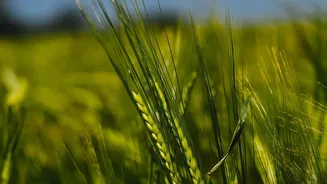
Following the retreat of the monsoon, the Rabi season begins. Sown in the cooler, drier months of October and November, these crops grow through the winter and are harvested in the spring, from March to April. The name 'Rabi' is derived from the Arabic word for 'spring'. Unlike their Kharif counterparts, Rabi crops require less water and thrive in cooler temperatures, relying on residual moisture in the ground, wells, and irrigation systems. This season is essential for staple grains, with wheat being the most prominent Rabi crop in the country. Other major Rabi crops include barley, mustard, chickpeas (gram), and peas.
Zaid: The Summer Interlude
Fitting neatly between the Rabi harvest and Kharif sowing is the Zaid season, a short but valuable summer cropping period from about March to June. Zaid crops are characterized by their short maturation cycle, often ready for harvest within 60 to 90 days. This season takes place during hot, dry weather, making it entirely dependent on irrigation. It allows farmers to make productive use of their land during what might otherwise be a fallow period, providing an important source of additional income. This is the season for crops like watermelon, muskmelon, cucumber, and various gourds, which arrive in markets just in time for the summer heat.
Why Timing Is Everything for Seeds
The headline's mention of "random seed shopping" points to a common but costly mistake: ignoring the agricultural calendar. Choosing the right seed is a strategic decision that goes far beyond simply picking a crop. A seed variety developed for the cool, dry Rabi season will likely fail if planted in the wet, humid Kharif conditions. Seasonal appropriateness affects everything from germination rates to a plant's ability to resist pests and diseases that are prevalent during a specific time of year. Furthermore, the seed supply chain is seasonal. The right varieties are most available just before their sowing season begins. Waiting too long or buying out of season increases the risk of purchasing old, low-quality, or even counterfeit seeds, which can lead to catastrophic crop failure.
Making an Informed Choice
Moving from random shopping to informed selection involves a few key steps. First, always match the seed variety to the upcoming season—Kharif, Rabi, or Zaid. Second, source seeds from certified and trusted suppliers to avoid the widespread problem of fakes. Quality seeds come with information on germination rates, purity, and recommended sowing times. Third, consider local conditions. A variety that works well in one part of the country may not be suited to the specific soil and climate of another. Agricultural extension services and experienced local farmers can provide invaluable advice. Smart seed selection is not an expense; it is the most critical investment a farmer can make for a productive and profitable harvest.