







The Blurring of Lines
The promise of remote work was flexibility, but for many, it has led to workdays that never seem to end. When your home is also your office, the physical and mental cues that signal the start and end of work disappear. This can lead to an 'always on'
culture, where the pressure to respond to emails and messages outside of traditional hours creates a state of constant, low-grade stress. Studies show that as the frequency of working from home increases, so can the negative impact on health if clear separation isn't maintained. This blurring of boundaries is a primary driver of remote work burnout, a state of mental, physical, and emotional exhaustion that can impact your health and performance.
The Psychology of Being 'Always On'
Our brains thrive on routine and separation. The inability to psychologically detach from work is a significant source of stress. When your laptop is always in sight and notifications are constantly pinging, your brain remains in 'work mode', preventing genuine rest and recovery. This mental carryover makes it difficult to be present in your personal life, leading to fatigue, irritability, and a diminished sense of well-being. Research confirms that employees who find it difficult to switch off suffer from higher stress levels and increased interference with their home life. Over time, this chronic stress can contribute to serious health issues, including anxiety, depression, and heart conditions.
Build Your Boundaries: Space and Time
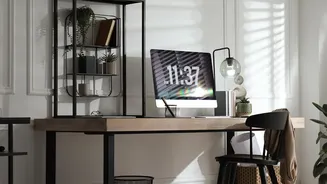
The most effective way to combat this is by creating intentional boundaries. Start with physical space. Designate a specific area for work, even if it's just a corner of a room. Avoid working from your couch or bed to protect those spaces for relaxation. When the workday is over, put your work materials out of sight to reduce mental triggers. Just as crucial are temporal boundaries. Set a strict start and end time for your workday and stick to it. One powerful technique is to create 'commute' rituals. Use the time you would have spent commuting to take a walk, listen to music, or read a book—anything that creates a clear transition into and out of your work role.
Mastering Digital and Social Boundaries
In a remote world, technology can be the biggest boundary-breaker. Tame your digital life by turning off notifications for work-related apps after hours. Let your colleagues know your working hours and when you will be responsive. Using 'away' messages or a shared calendar can effectively communicate your availability without constant explanation. It's also vital to set boundaries with family or housemates. Have a clear conversation about your schedule and when you need uninterrupted time to focus. A simple sign on your door can work wonders to signal when you are 'at the office' and should not be disturbed unless it's an emergency.
The Payoff: True Rest and Deeper Focus
Setting and maintaining these boundaries may feel difficult at first, but the rewards are immense. When you successfully separate work from personal time, you allow your mind and body to fully recover. This leads to reduced stress, better sleep, and more energy for your hobbies and relationships. Paradoxically, by working less, you often work better. A well-rested brain is more focused, creative, and productive during work hours. You replace the frantic, always-on feeling with a calmer, more intentional approach to both your job and your life. You're no longer just at home, trying to work; you are able to be fully present for your work, and then fully present for your life.