


The Problem with Plastic
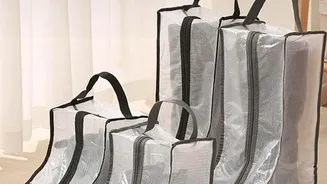
Many of us rely on large plastic bins to store off-season clothing. They seem practical: they stack neatly and keep dust and pests out. However, their airtight nature is also their biggest flaw. Plastic traps moisture, which can come from the clothes
themselves if not perfectly dry, or from humidity in the air when you sealed the bin. This trapped moisture creates a humid micro-environment, which is the perfect breeding ground for mould and mildew, leading to that tell-tale stale odour and potential fabric damage. Over time, chemicals in some plastics can also cause yellowing on light-coloured garments.
The Breathable Advantage
This is where breathable storage comes in. Bags and containers made from natural materials like cotton, canvas, or linen allow for constant, gentle air circulation. This 'breathing' action prevents moisture from getting trapped against the fabric, effectively stopping mould and musty smells before they start. By regulating humidity naturally, these bags create a more stable environment that helps preserve the integrity of textile fibres, especially natural ones like wool, cashmere, and silk, keeping them fresh and ready to wear.
Choose the Right Materials
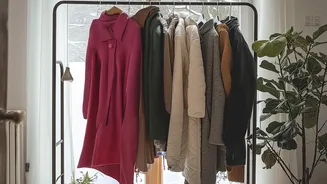
When shopping for breathable storage, look for bags made of 100% cotton, canvas, or linen. These natural fibres offer the best airflow. Some bags are made from non-woven polypropylene, which offers moderate breathability and is a step up from sealed plastic, but natural fibres are superior for long-term care. For hanging items like coats or suits, choose full-length garment bags made of cotton. For folded items like sweaters and knits, fabric boxes or zippered bags are ideal. It's best to avoid dyed canvas for light-coloured clothing, as the dye could potentially transfer in humid conditions.
Preparation Is Everything
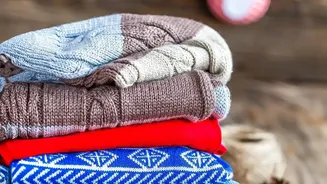
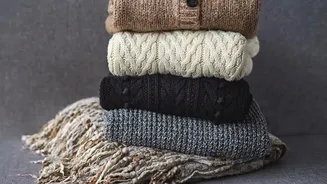
The best storage bag in the world can't help if the clothes go in dirty. Always wash or dry-clean every single item before putting it away for the season. This removes sweat, body oils, and invisible food particles that not only cause odours and stains to set over time but also attract pests like clothes moths. Make absolutely certain every garment is completely bone-dry before you pack it. Folding heavy knits is better than hanging, as hanging can stretch them out of shape over months in storage.
Location, Location, Location
Where you store your clothes is just as important as what you store them in. The ideal spot is cool, dark, and dry. This rules out most attics and basements, where temperature and humidity can fluctuate dramatically with the seasons. A spare closet, under a bed, or in a wardrobe in a climate-controlled part of your house are all excellent choices. Consistent conditions protect fabrics from the stress of expansion and contraction and further reduce the risk of mildew.
A Fresher Approach to Pests
For generations, the solution to moths was chemical mothballs, but their toxic odour is unpleasant and clings to fabric. Natural deterrents can be just as effective. Cedar blocks or chips are a classic choice; the oils in the wood repel moths. To keep them effective, you can sand them lightly each year to refresh the scent. Sachets filled with dried lavender, rosemary, thyme, or cloves are another great option. They won't kill existing larvae—which is why cleaning clothes first is crucial—but they will help deter adult moths from settling in your storage bags.