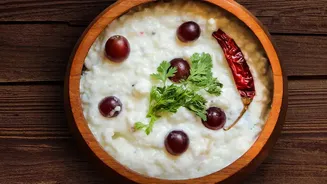


As winter arrives, a familiar debate enters Indian kitchens: is it safe to eat curd? While elders warn it causes colds, health experts praise its benefits. This balanced look unpacks the science and tradition behind this seasonal food dilemma.
The Ayurvedic Perspective
In many
Indian households, the advice to avoid curd during winter is rooted in Ayurvedic principles. According to Ayurveda, curd is considered 'Kapha-kar', meaning it can increase the Kapha dosha, which is associated with mucus, heaviness, and cold. This traditional wisdom suggests that consuming curd, especially at night or when it's cold, can lead to an imbalance, potentially causing respiratory issues like coughs, colds, and sinus congestion. Some Ayurvedic texts describe curd as having a heating nature ('Ushna Virya'), which means it can be digested well in winter when the digestive fire ('Agni') is naturally stronger. However, its tendency to increase secretions is why caution is advised, particularly for those already prone to respiratory ailments. The common Ayurvedic recommendation is to avoid curd after sunset and to steer clear if you are already suffering from a cold or asthma.
What Modern Science Says
From a nutritional science standpoint, curd is a powerhouse of nutrients that are especially beneficial during winter. It is packed with probiotics, which are live, friendly bacteria that support gut health. A healthy gut is fundamental to a strong immune system, which is crucial for fending off winter infections. Scientific studies suggest that probiotics may even help reduce the risk and duration of respiratory infections. Curd is also an excellent source of calcium, protein, and essential vitamins like B12, all of which contribute to overall health, bone strength, and immunity. As for the widespread belief that dairy increases mucus production, most modern research refutes this claim. Studies have shown that for most people, there is no significant link between dairy consumption and increased phlegm. The sensation of thickened saliva after eating dairy might be mistaken for mucus, but it is not a sign of increased production.
Finding the Right Balance
The conflict between tradition and science may not be a conflict at all. The key to consuming curd in winter seems to lie not in 'if' but in 'how'. Both perspectives indirectly point towards a middle path. The primary issue may be the temperature of the curd. Consuming curd straight from the refrigerator can be a shock to the system, especially in cold weather. Nutritionists agree that cold foods require the body to work harder to bring them to body temperature, which can be taxing. Therefore, the modern advice aligns with the traditional concern: avoid cold curd. The ideal way is to consume fresh curd that is at room temperature. This simple adjustment can make a significant difference, allowing you to reap the benefits without the potential drawbacks. So, you don’t have to completely give up your favourite dahi; you just need to be smarter about how you eat it.
Smart Ways to Enjoy Curd in Winter
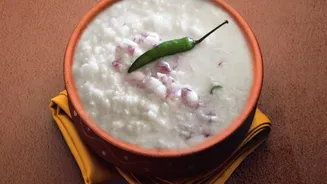
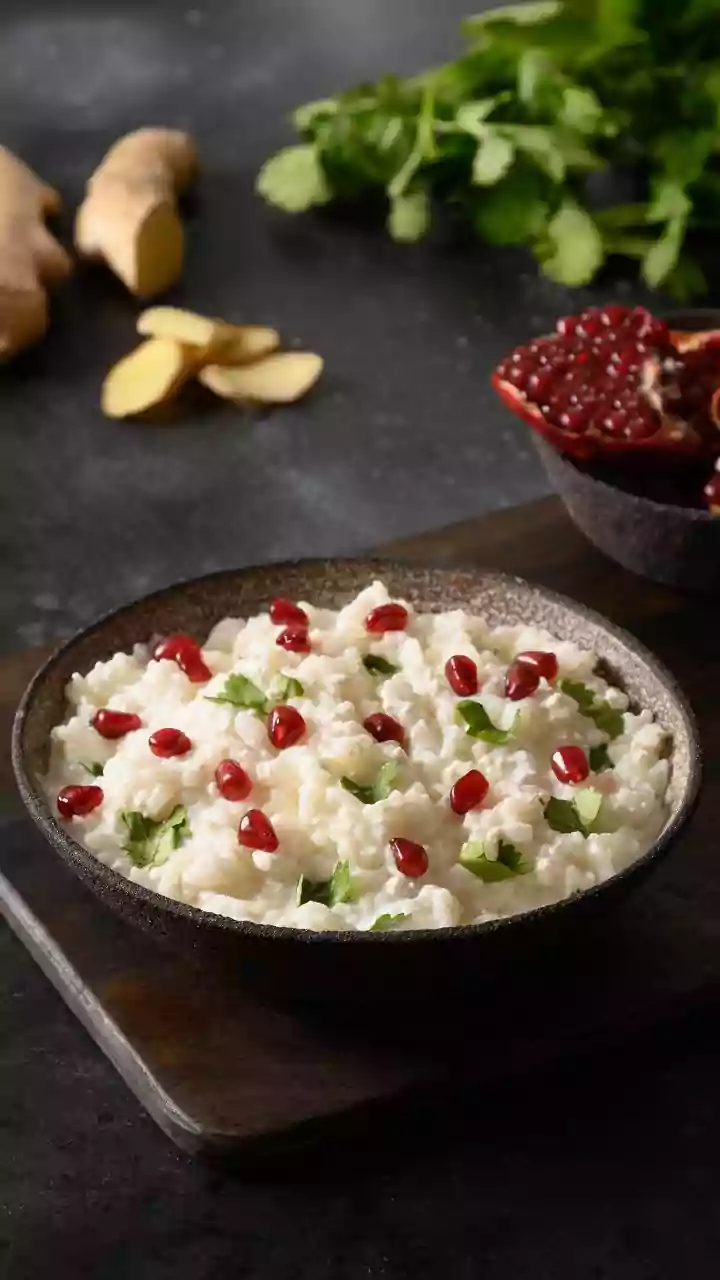
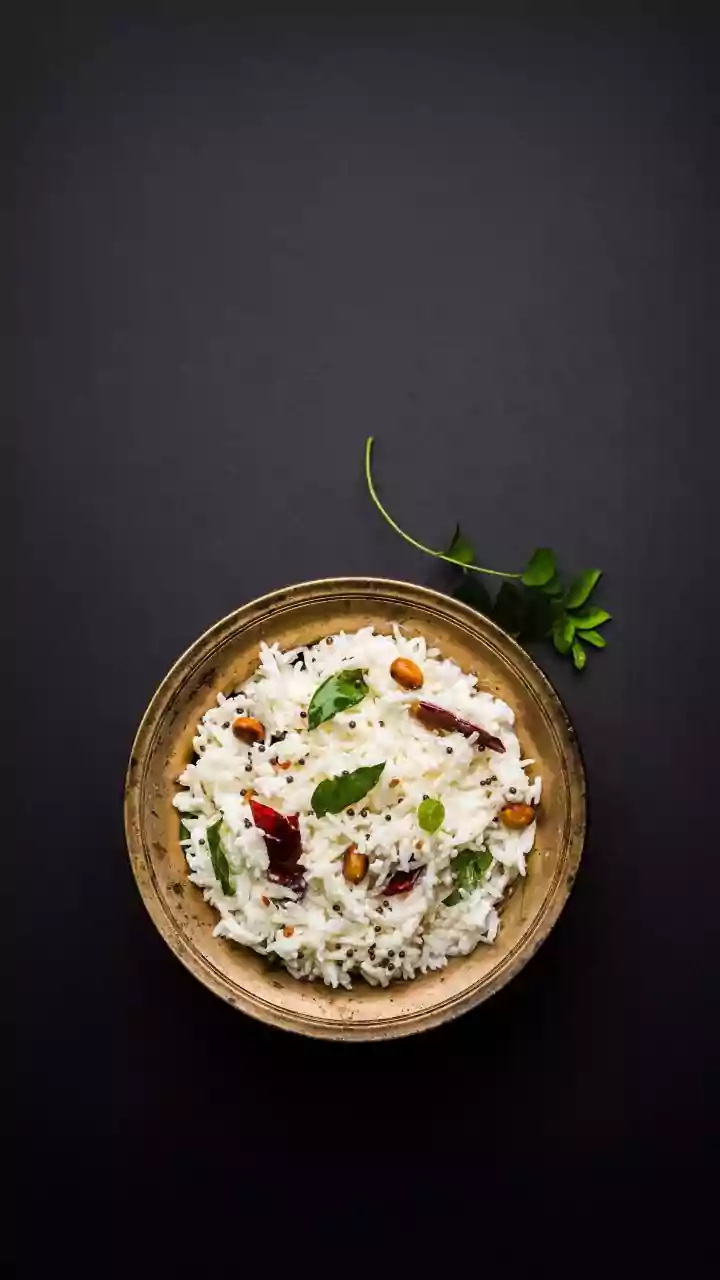
To make curd more winter-friendly, several simple preparations can help. Consuming it during the daytime, especially with lunch, is widely recommended as the digestive system is at its peak. Avoid having it late at night, a point on which both Ayurveda and some modern experts agree. Another tip is to incorporate warming spices. Adding a pinch of black pepper, roasted cumin powder, or ginger to your curd can help counteract its perceived cooling effects and aid digestion. You can also integrate curd into warm dishes. Use it to create creamy curries, add it to warm rice, or blend it into soups. Making a raita with seasonal vegetables like carrots or beets is another excellent way to enjoy its benefits. These methods not only make curd more palatable in colder weather but also enhance its nutritional value while respecting traditional wisdom.