



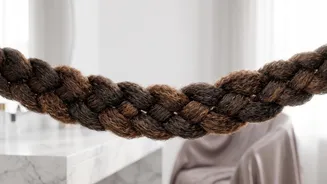
Diving into the world of hair extensions can feel both exciting and overwhelming. For first-timers, the biggest question is often not just about length or color, but manageability. Many discover that braided styles are a gentler entry point.
The 'Get Up and Go' Advantage
The primary
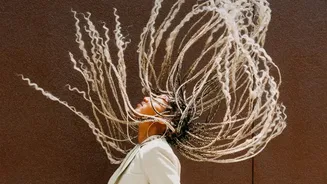
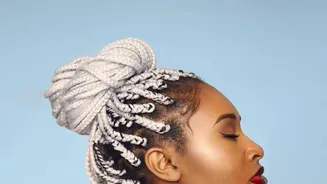
reason many beginners favour braids is the minimal daily styling involved. Styles like box braids or twists are largely 'get up and go'. Once installed, the hair is set. The morning routine is simplified to scalp care and maybe adding some mousse, a stark contrast to loose extensions, which often require daily detangling, blending with natural hair, and heat styling to look seamless. For someone not yet accustomed to managing extra hair, this built-in style is a significant advantage, cutting down on daily manipulation and stress.
A Gentler Learning Curve
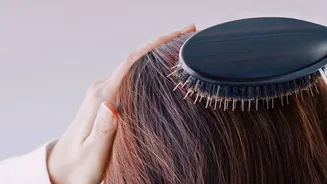
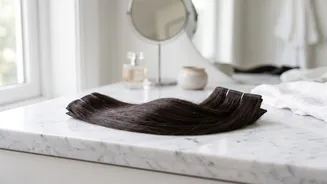
Loose styles, such as sew-ins or tape-ins, demand more skill from the wearer. You need to learn how to wash, condition, and style them without causing tangles or damaging the bonds. Common beginner mistakes include using the wrong products, which can cause tape-in adhesives to slip, or not drying the hair properly, leading to matting. Braided styles, on the other hand, are more self-contained. The maintenance is straightforward: keep the scalp clean and moisturized, and protect the hair at night with a satin bonnet or scarf. This simplicity reduces the risk of user error and helps the style last longer and look better.
Durability and Longevity
Protective styles like braids are designed to be long-lasting, often looking neat for several weeks with proper care. The structure of the braid protects both the extension hair and your natural hair tucked inside from daily wear and tear, friction, and environmental factors. Loose extensions are more exposed and susceptible to tangling, frizz, and shedding, especially if not cared for meticulously. While all extensions require maintenance, many find that braids hold up better over a 4-to-8-week period, making them a more forgiving and cost-effective option for a first-timer.
Scalp Health and Access
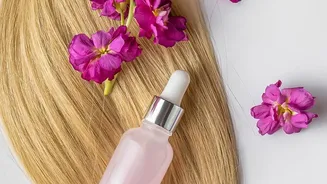
A healthy scalp is crucial for healthy hair, and it's a major concern when wearing extensions. Braided styles typically allow for easier access to the scalp. You can apply oils, serums, or cleansing sprays directly to the scalp between the parts. With some loose extension methods, particularly full sew-ins where most of the natural hair is covered, accessing the scalp for proper cleansing can be more challenging. If braids are installed correctly—not too tight—they can be a comfortable protective style that allows your scalp to breathe.
When Might Loose Styles Be a Better Fit?
Despite the benefits of braids, loose styles offer a level of styling versatility that many desire. If your primary goal is to wear your hair in a variety of down-dos, ponytails, and updos that mimic natural, loose hair, then methods like tape-ins or certain sew-in techniques might be your preference. They provide a different aesthetic that braids cannot replicate. However, it's important to go into it with eyes wide open, understanding that the trade-off for this versatility is a more demanding daily and weekly maintenance routine.