




The Magic of Whole Pods
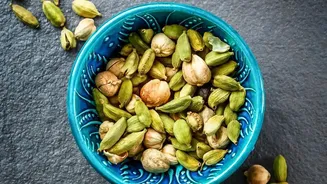
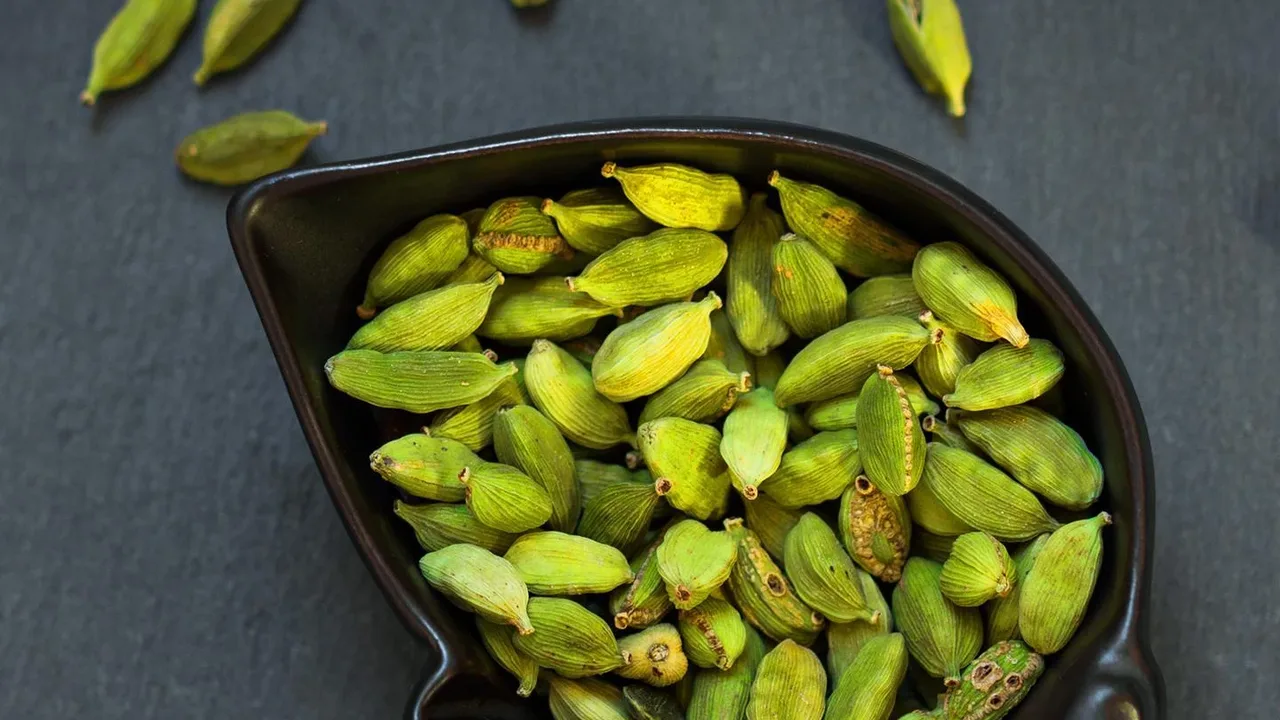
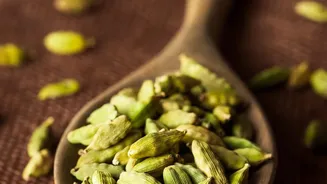
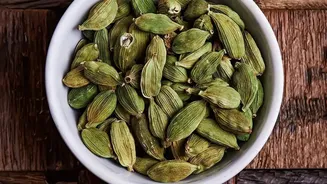
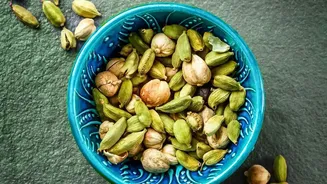
When it comes to spices, the difference between whole and ground can be significant, and cardamom is a prime example. While ground cardamom delivers an immediate, potent flavour, it loses its aromatic complexity quickly. Whole green cardamom pods, on
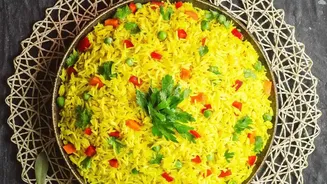
the other hand, act as tiny flavour capsules. The pod protects the fragrant black seeds inside, preserving their volatile oils. When simmered in a dish like a rice pilaf, these pods slowly release their essence, infusing the grains with a sophisticated, floral, and slightly citrusy aroma that is less overpowering and more layered than its powdered counterpart. This slow infusion ensures the flavour is delicate and well-integrated, perfuming every single grain of rice.
Building Your Flavour Base
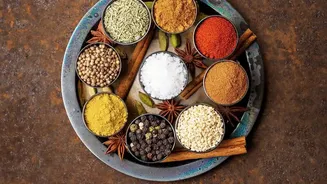
The secret to an exceptional pilaf begins before the rice even enters the pot. The technique of 'blooming' spices, known as 'tadka' in Indian cuisine, is essential. This involves heating whole spices like green cardamom pods, cloves, and cinnamon sticks in hot fat—such as ghee or oil—for 30 to 60 seconds. As the spices sizzle, they crackle and release their fat-soluble aromatic compounds into the oil. This seasoned oil then becomes the foundation of your dish, ensuring the flavour is distributed evenly throughout the pilaf. Frying a chopped onion in this fragrant oil until translucent adds a layer of sweetness that perfectly complements the warm spices.
Perfecting the Pilaf
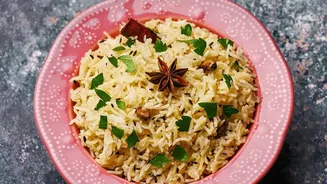
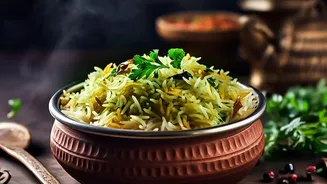
For a pilaf with fluffy, separate grains, long-grain basmati rice is the ideal choice. It's crucial to rinse the rice several times in cold water until the water runs relatively clear; this removes excess starch that can make the final dish sticky. Some cooks even soak the rice for up to 30 minutes to ensure the grains cook evenly and elongate beautifully. Once the spices are bloomed and the onions are soft, the drained rice is added and stirred to coat each grain in the flavourful oil. Then, the cooking liquid—water or, for added richness, vegetable or chicken broth—is poured in. After a final stir, the pot is covered, the heat is lowered, and the rice is left to simmer undisturbed until all the liquid is absorbed. Allowing it to rest off the heat for another 5-10 minutes is a critical final step to ensure a perfectly fluffy texture.
Beyond a Simple Side Dish
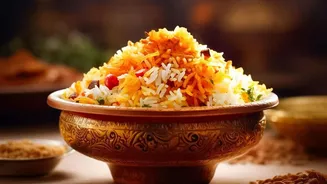
While this fragrant rice is a classic accompaniment to curries, stews, and grilled meats, it is flavourful enough to stand on its own. The basic pilaf can be easily elevated with a variety of additions. For a touch of sweetness and texture, consider adding golden raisins or dried cranberries during the last few minutes of cooking. Toasted nuts like almonds or pistachios, sprinkled on top before serving, provide a satisfying crunch. A garnish of fried onions adds a savoury, crispy finish. Paired with a simple raita (yogurt dip) or a lentil dal, this savoury cardamom rice pilaf can transform from a supporting player into the star of a simple yet elegant meal. Even without anything else, a plate of this aromatic rice can be incredibly satisfying.