
The Waning Appeal of High Shine
For decades, glossy finishes dominated Indian interiors. Polished marble floors, high-gloss laminates, and lustrous paints were synonymous with luxury, newness, and opulence. This preference was partly practical; shiny surfaces are often perceived as easier
to clean and maintain, reflecting light to make spaces feel larger and brighter. They offered a clean, almost futuristic look that signified a departure from older, more traditional aesthetics. However, design sensibilities are evolving. The very perfection of these machine-made, uniform surfaces is now seen by some as lacking personality and warmth. In a world of mass production, there's a growing desire for homes that feel personal, grounded, and unique—qualities that a flawless, reflective surface can sometimes struggle to provide.
A Turn Towards Tactile Comfort
The move towards texture is more than just an aesthetic trend; it's rooted in a psychological desire for comfort and connection. Tactile surfaces engage not just our sight but also our sense of touch, creating a richer sensory experience. A wall with a subtle lime wash finish or a floor made of brushed wood feels more organic and grounding. This shift aligns with global wellness movements like biophilic design, which seeks to connect us with nature by incorporating natural materials and forms into our living spaces. In the post-pandemic era, where homes have become sanctuaries, creating an environment that feels calming, safe, and emotionally supportive has become a priority. Textured surfaces, with their inherent imperfections and natural feel, help craft these nurturing atmospheres.
Materials Making a Mark
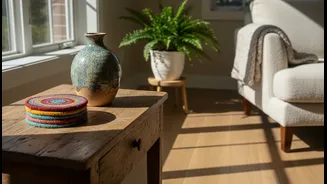
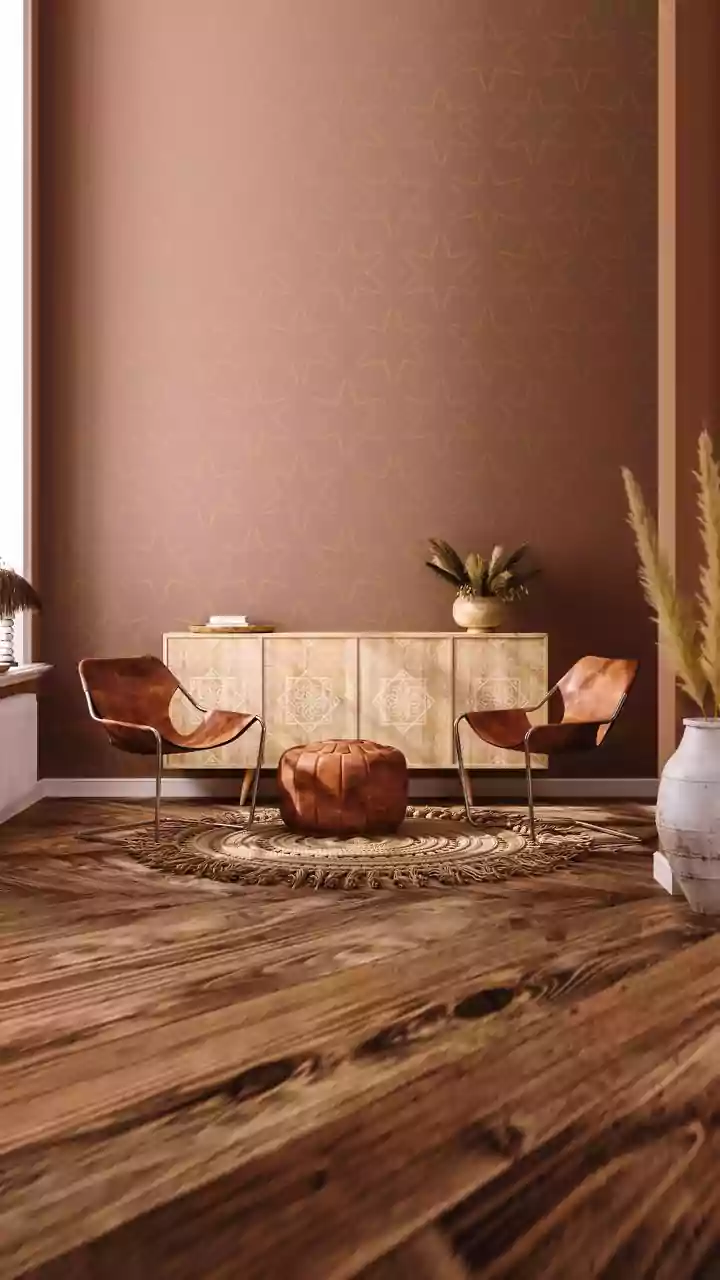
The new textural landscape in Indian homes is diverse and exciting. Walls are no longer just flat backdrops; they are becoming statement features. Finishes like lime plaster, Venetian plaster, and micro-cement are gaining immense popularity for their ability to create depth and movement. These hand-applied finishes mean no two walls are exactly alike, celebrating craftsmanship over uniformity. Beyond walls, texture is appearing everywhere. Raw, unfinished wood, rattan, jute, and linen are being used in furniture and furnishings to add layers of warmth. In flooring, high-polish tiles are giving way to options like honed stone, terrazzo, and handmade tiles that feel more rooted and authentic underfoot.
Beyond the Visual: Light, Sound, and Soul
The benefits of texture extend beyond simple visual appeal. Unlike glossy surfaces that reflect light directly, textured finishes diffuse it, creating a softer, more inviting glow that changes subtly throughout the day. This play of light and shadow adds a dynamic quality to a room, making it feel more alive. Textures also have practical acoustic benefits. Rough or uneven surfaces can help absorb sound, reducing echo in larger, open-plan spaces and making them feel quieter and more intimate. Perhaps most importantly, a textured space feels like it has a story. Whether it's the gentle patina that a lime-washed wall develops over time or the natural grain of a wooden cabinet, these materials evolve with the home, adding a layer of character that machine-perfect gloss can never replicate.
The Practical Side of Texture
While the aesthetic and emotional appeal is clear, there are also practical reasons for this shift. Textured walls are remarkably forgiving, adept at hiding minor surface imperfections, cracks, or unevenness that would be glaringly obvious on a smooth, glossy wall. This makes them an excellent choice for both new constructions and renovations of older properties. Furthermore, many modern textured finishes are designed for durability, especially in the context of the Indian climate. White cement-based textures, for example, offer resistance to humidity, algae, and flaking, ensuring the walls don't just look good but also last long. The idea that texture is difficult to maintain is also being challenged, as many matte and textured surfaces are better at concealing everyday dust and fingerprints than their high-shine counterparts.