





A Hydration Powerhouse
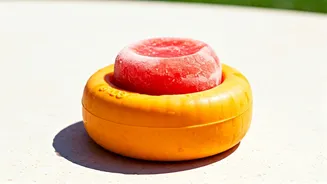
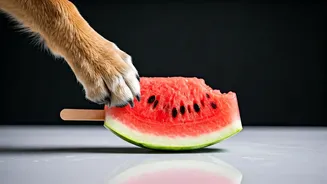
When the air is thick with moisture, it's harder for dogs to cool down by panting. This makes hydration absolutely critical to prevent overheating. Watermelon is the perfect solution, as it’s composed of about 92% water. Giving your dog a few frozen slices
is a fun and delicious way to get more fluids into their system, helping them regulate their body temperature from the inside out. Unlike just a bowl of water, the novelty of a frozen treat can encourage even picky drinkers to hydrate.
More Than Just Water
Beyond its incredible water content, watermelon packs a decent nutritional punch for your pup. It's a good source of potassium, which is important for healthy muscle function, as well as essential vitamins like A, B6, and C. It's also low in calories and fat-free, making it a much healthier alternative to many processed commercial dog treats. The natural fibre can also aid in digestion, but this is also a reason why moderation is key—too much of a good thing can lead to an upset stomach.
The Golden Rules: No Seeds, No Rind
Before you rush to chop up a watermelon, there are two crucial safety rules. First, you must remove all the seeds. While a few accidentally swallowed seeds may not cause harm to a large dog, they can accumulate and cause a serious intestinal blockage, especially in smaller breeds. Black seeds are mature and pose the biggest risk. Second, the rind is a major no-go. It's tough, fibrous, and very difficult for a dog to digest. Chewing on the rind can lead to gastrointestinal upset, blockages, or even pose a choking hazard. Always serve only the fleshy pink part of the fruit.
A Word on Sugar and Portion Size
Watermelon contains natural sugar. While it’s not as concentrated as in many other fruits, it's still something to be mindful of. For this reason, watermelon should only be an occasional treat, not a staple of your dog's diet. A good guideline is the 10% rule: treats should only make up about 10% of your dog's daily caloric intake. For a large dog, a few one-inch cubes are plenty. For a smaller dog, one or two small cubes will suffice. If your dog is diabetic, overweight, or has other health conditions, it's essential to consult your vet before introducing any new sugary foods into their diet.
How to Prepare the Perfect Frozen Treat
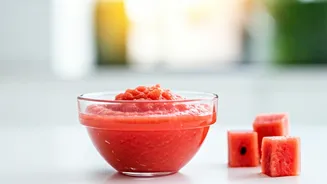
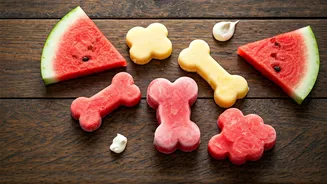
Making this treat is incredibly simple. Start with a seedless watermelon if you can find one, as it saves you a lot of prep time. If not, meticulously remove all black seeds from the flesh. Cut the pink fruit away from the green and white rind. Dice the flesh into small, bite-sized cubes appropriate for your dog’s size to prevent choking. Spread the cubes in a single layer on a baking sheet lined with parchment paper and pop them in the freezer. Once frozen, you can transfer them to an airtight container. This way, you’ll have a ready supply of cooling treats for the next hot day.
Are There Other Frozen Options?
If your dog loves frozen watermelon, you might wonder what other fruits are safe. Blueberries are a fantastic choice, as they are small, full of antioxidants, and can be frozen whole. Small pieces of banana or apple (with the core and seeds removed) also freeze well. However, some fruits are extremely toxic to dogs and should be avoided at all costs. Grapes and raisins are at the top of this list, as they can cause acute kidney failure. Always do your research or check with a vet before sharing any human food with your pet.