








The Drivers of the Mini-Break Boom
The week-long vacation is no longer the only way to travel. For many modern couples, especially millennials and Gen Z, the idea of taking multiple short trips is more appealing than one long holiday. [6, 18] This shift is driven by several practical factors.
Demanding work schedules and limited vacation days make it difficult to plan extensive journeys. [2, 5] In today's fast-paced world, a quick weekend getaway offers a much-needed escape from daily stress without the logistical headache of a long leave. [2, 5] Furthermore, the rise of hybrid work models has blurred the lines between office and home, leading to a new kind of urban burnout that a quick change of scenery can alleviate. [25] This has been coupled with improved road infrastructure, making nearby destinations more accessible than ever. [2] As a result, couples are increasingly exploring boutique hotels, homestays, and luxury resorts in or near their own cities. [2, 5]
More Connection, Less Stress
A short staycation is more than just a logistical solution; it’s a powerful tool for reconnecting. [9, 12] Freed from the pressures of a complex itinerary and the exhaustion of long-haul travel, couples can focus on what truly matters: quality time together. [9, 12, 16] These trips provide an opportunity for uninterrupted conversation and shared experiences, which are crucial for strengthening a relationship. [9, 12] Psychologically, the novelty of a new environment, even one close to home, can help break monotonous routines and rekindle romance. [7] Sharing new experiences, whether it's exploring a local market or simply enjoying a luxurious hotel room, creates positive memories that bond a couple more closely. [7, 12, 16] The emphasis is on being present with each other, away from the distractions of work and daily chores. [16]
A Smarter Way to See the World (and Your City)
This trend also reflects a savvier, more budget-conscious approach to travel. [2] Instead of splurging on one expensive annual trip, many couples find it more economical to take several smaller breaks throughout the year. [2, 4] This approach allows for more frequent opportunities to relax and recharge without breaking the bank. [3] Staycations encourage a new form of exploration, prompting couples to discover hidden gems in their own backyards. [4, 5] This has led to a boom for 'micro-destinations' and offbeat locales that are a short drive away from major cities. [15] For many young Indians, this style of travel feels more authentic and personal. [10, 26] Recent data shows a marked preference for unique, curated experiences over simply ticking famous landmarks off a list, a desire that short, focused trips are perfectly suited to fulfill. [10, 13]
Making Your Short Staycation Count
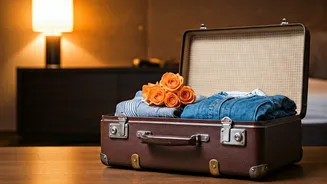
To make the most of a short getaway, the key is to be intentional. The goal for many Gen Z travellers, for example, is simply to rest and do nothing. [26] This 'anti-itinerary' approach can be a powerful antidote to a busy life. [26] It’s about choosing an accommodation that becomes the destination itself, perhaps one with a great view or a private pool. [26] A crucial rule for a successful staycation is to truly disconnect; this means setting firm boundaries with work and resisting the urge to check emails. The focus should be on shared activities, whether it's a couple’s spa treatment, a gourmet meal, or exploring a new neighbourhood on foot. [12, 24] Packing light and minimizing travel time are also key to ensuring the break feels relaxing from the moment it begins.