



Why You Need a Plan B for Dinner
Life is unpredictable, but your dinner doesn't have to be a source of stress. Having a strategy for backup meals isn't about complex meal prepping; it's about creating a safety net. This approach saves you money by avoiding last-minute takeaway orders,
reduces food waste by using ingredients you already have, and is often much healthier. A well-stocked pantry and freezer act as your first line of defence against evening chaos. Instead of asking "What's for dinner?", you can confidently know that a satisfying, home-cooked meal is never more than 15-20 minutes away, no matter how the day has unfolded. This small bit of planning frees up mental energy and keeps your food budget firmly on track.
The Power of the Pantry
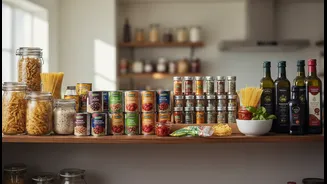
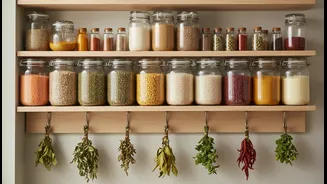
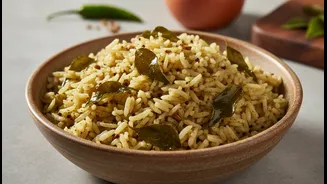
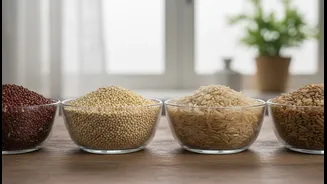
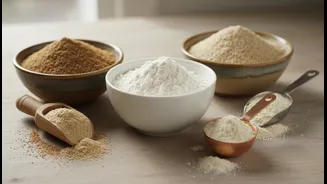
Your pantry is the foundation of any good backup meal. Stocking it with long-lasting, versatile ingredients is key. Think of items that form the base of many quick Indian meals. Essential grains include rice, poha (flattened rice), and sooji (semolina). Lentils like toor, moong, and masoor dal are non-negotiable for their quick-cooking nature and protein content. With these staples, a comforting dal tadka with steamed rice is always within reach. Poha or upma can be made in under 20 minutes with just a few spices. Keep onions, potatoes, garlic, and ginger, which have a long shelf life, on hand to form the flavour base of countless dishes. Tinned tomatoes and chickpeas are also excellent to have for making a quick chana masala.
Your Freezer is Your Friend
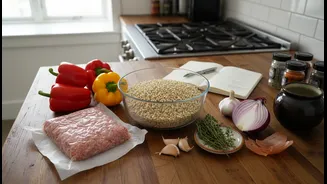
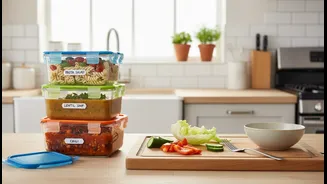
The freezer is more than just a place for ice cream; it's a tool for future you. Many Indian dishes freeze exceptionally well, especially those with gravies and sauces that protect the main ingredients. Making a big batch of a basic onion-tomato masala or a curry base and freezing it in portions can be a game-changer. When you're short on time, you can simply thaw a portion, add vegetables or paneer, and have a curry ready in minutes. Dishes like dal makhani, chana masala, and rajma all maintain their flavour and texture beautifully after freezing. You can also freeze portions of cooked rice, parathas, or even entire dishes like keema for a complete, ready-to-heat meal. A bag of frozen peas or mixed vegetables is also a must-have to easily add nutrients to any quick dish.
The 15-Minute Meal Heroes
On the most hectic days, even 30 minutes can feel like too much. This is where 15-minute meals save the day. The humble egg is a prime candidate; a spicy anda bhurji (scrambled eggs) or a quick omelette curry can be on the table in minutes and served with toast or roti. Similarly, ready-to-use pastes like ginger-garlic or tamarind can cut down prep time significantly. There are now many recipes designed specifically for speed, like a quick kidney bean curry (rajma) that uses tinned beans and can be ready in about 15 minutes. Exploring these ultra-fast recipes helps you build a mental cookbook of go-to options for when you're truly against the clock.
Assemble Your Backup Kit
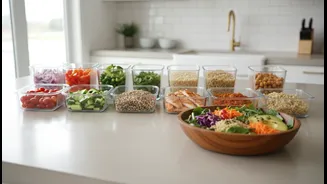
To make this system work, organization is key. Designate one shelf in your pantry as the 'Emergency Meal Zone'. Keep your quick-cooking dals, rice, poha, sooji, and tinned goods together. This way, you can see what you have at a glance without hunting through a cluttered cupboard. In your freezer, use labelled, portion-sized containers for gravies, dals, and other meals. This makes it easy to grab exactly what you need. The goal is to remove every possible barrier between you and a home-cooked meal. When you know exactly where your backup options are, you're far more likely to use them, turning a potentially stressful evening into a moment of calm, resourceful cooking.