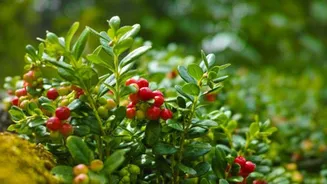


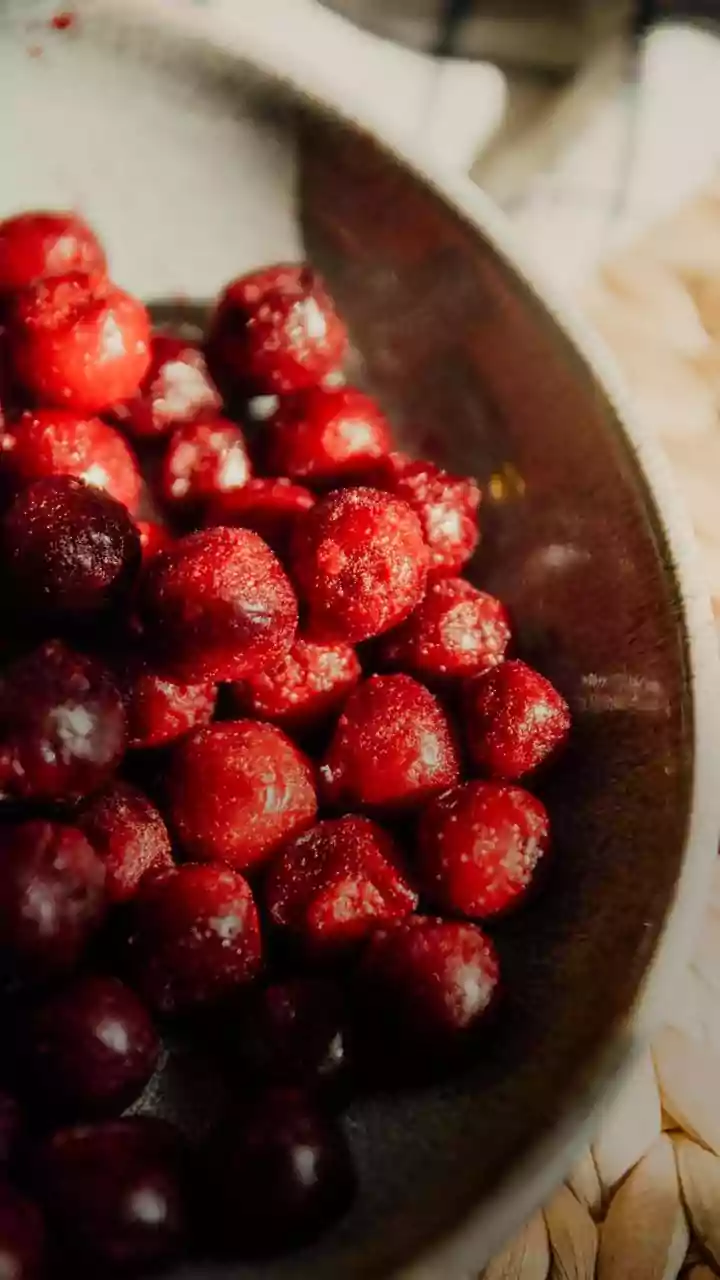


Imagine harvesting tart, ruby-red cranberries right from your living room. Growing these unique fruits indoors is a rewarding challenge for any gardener. Success hinges on one key factor: actively managing the plant's vining growth.
Container and Variety Selection
Your journey begins
with the right home for your plant. Cranberries have shallow roots but are vigorous spreaders, so a wide container is more important than a deep one. Choose a pot, window box, or even a hanging basket that is at least 30-40 cm in diameter to give the runners room to expand. Good drainage holes are non-negotiable to prevent root rot. When selecting a plant, start with a small, rooted plant rather than seeds, which can take years to fruit. Varieties like 'Pilgrim' or 'Redstar' have a cascading habit that is well-suited for containers and hanging baskets.
Creating the Perfect Acidic Soil
Cranberries are part of the Ericaceae family, meaning they demand acidic soil to thrive, with a pH level ideally between 4.0 and 5.5. Standard potting soil will not work. You must create a special mix. The easiest approach is to use a pre-made ericaceous compost, which is formulated for acid-loving plants like azaleas. To make your own, combine peat moss (sphagnum is best) with sand or perlite to ensure the mix holds moisture while also draining well. Before planting, thoroughly soak any peat moss you use, as dry peat can initially repel water and pull moisture away from the plant's roots. It's wise to test your soil's pH at least once a year and amend as needed.
Light, Water, and Temperature Needs
To encourage flowering and fruit production, your indoor cranberry plant needs plenty of light. Place it near a south-facing window where it can receive at least six hours of direct sunlight each day. If you lack sufficient natural light, a grow light can be a necessary supplement. While cranberries are known for growing in bogs, they don't like to have their roots sit in waterlogged soil. The goal is to keep the soil consistently moist but not soggy. A self-watering pot can be an excellent tool for maintaining steady moisture. Use rainwater if possible, especially if your tap water is alkaline, as this can raise the soil's pH over time.
Managing Runners and Uprights
Here is the heart of indoor cranberry care. Cranberry plants produce two types of stems: long, trailing runners and short, vertical branches called 'uprights'. The fruit forms on these uprights. The runners are for spreading out. Indoors, this spreading habit must be controlled. After the first couple of years, you can begin pruning. The primary goal of pruning is to trim back some of the long runners. This encourages the plant to put more energy into developing the fruitful uprights. Pruning also helps maintain an open canopy, allowing for better air circulation and light penetration, which helps prevent disease and aids in fruit ripening.
Pruning Techniques for a Tidy Plant
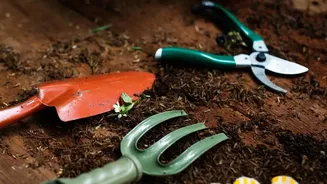
Pruning is best done in the spring, just before new growth starts. Use clean shears to trim any runners that have become too long or are making the plant look messy. You can also thin out the centre of the plant if it becomes too congested to improve airflow. Don't be afraid to cut back a significant portion of the runners, but be careful to leave the uprights, as this is where your berries will grow. Remove any dead, damaged, or diseased stems whenever you see them. This simple, annual trim will keep your plant healthy, contained, and focused on production rather than unchecked expansion.
Encouraging an Indoor Harvest
Outdoors, bees and wind take care of pollination. Indoors, you may need to play the role of the bee. Cranberry flowers need to be pollinated to produce fruit. When the small, pink flowers appear, you can transfer pollen by gently tapping the flower clusters to release it, or by using a small, soft paintbrush or a cotton swab. Swirl it inside one flower and move to the next, transferring pollen from anther to stigma. Do this every few days while the plant is in bloom. With the right acidic soil, plenty of light, and careful management of its vining growth, your cranberry plant should reward you with a unique and delicious homegrown harvest.