




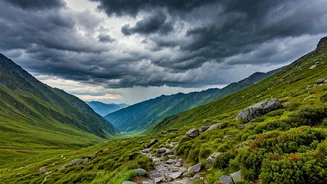


The Great Monsoon Dilemma
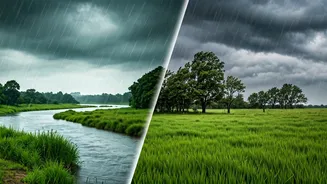
July is a magical yet tricky time for mountain lovers in India. The monsoon rains, while bringing lush greenery to much of the Himalayas, also bring significant risks. Popular destinations in Uttarakhand, Himachal Pradesh, and Sikkim often face heavy
downpours, leading to landslides, flash floods, and road blockages. This can disrupt travel plans, leaving tourists stranded and making journeys unpredictable. The very charm of the monsoon—the mist, the rain-washed landscapes—becomes a source of concern, forcing many to reconsider their dream Himalayan holiday.
Welcome to the Rain Shadow
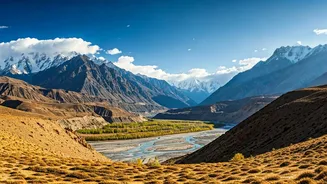
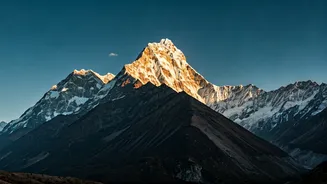
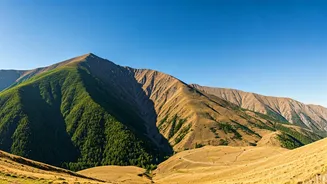
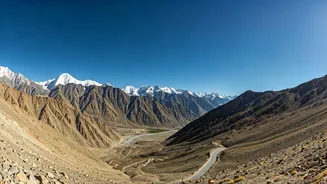
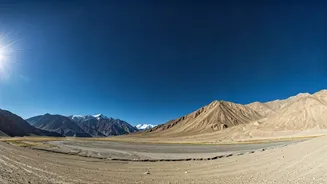
This is where Ladakh and Spiti Valley stand apart. Located in the trans-Himalayan region, they are high-altitude cold deserts that lie in a geographical 'rain shadow'. The towering Himalayan ranges act as a colossal barrier, blocking the moisture-laden monsoon clouds from the south. As these clouds ascend the southern slopes, they release their moisture, leaving the air that crosses over to Ladakh and Spiti almost entirely dry. The result is a landscape that receives minimal rainfall, even in the peak monsoon month of July, offering clear skies and sunny days when other regions are clouded over.
Ladakh: The Land of High Passes
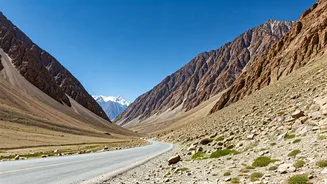
July is arguably the best month to visit Ladakh. Both major road arteries—the Srinagar-Leh and Manali-Leh highways—are fully operational, offering legendary road trip opportunities. The weather is pleasant, with daytime temperatures in Leh hovering between 20°C and 30°C. This is the perfect time to explore iconic sights like the shimmering Pangong Tso, the dramatic sand dunes of Nubra Valley, and the ancient monasteries of Thiksey and Hemis. All internal roads to these attractions are typically open, and the region buzzes with the energy of fellow travellers, making it a vibrant and accessible destination.
Spiti: A World Within a World
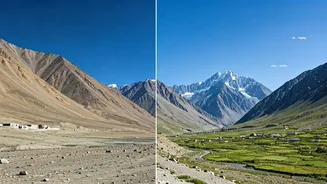
If Ladakh is a popular paradise, Spiti Valley is its more remote and rugged cousin. Like Ladakh, Spiti remains largely dry and sunny in July. The full circuit, including the iconic Chandratal (Moon Lake) and Kunzum Pass, is usually accessible, especially in the latter half of the month. While the valley itself is dry, the approach roads via Shimla (through Kinnaur) or Manali can be affected by monsoon rains. The journey via Shimla is generally considered more reliable. Once inside, you'll find a world of stark beauty, with ancient monasteries clinging to cliffs, serene villages like Kaza and Tabo, and a profound sense of tranquillity.
Preparedness is Still Key
While these destinations are safer from monsoonal rains, a trip here still requires careful planning. "Safer" does not mean zero risk. Both regions are at extreme altitudes, and acclimatisation is crucial to avoid Acute Mountain Sickness (AMS). Plan to spend at least a couple of days at a lower altitude (like Leh or Kaza) before ascending further. The sun's UV rays are harsh, so sunscreen and hats are non-negotiable. Evenings and nights can get chilly, so packing layers is essential. Roads, while generally open, can still face temporary closures due to a variety of factors, so building a buffer day or two into your itinerary is a wise move.