





The Humidity and Sweat Problem
The defining feature of the monsoon is high humidity, which means the moisture in the air prevents your sweat from evaporating easily. This leaves a constant film of sweat and dampness on your skin's surface. This environment not only makes you feel sticky
but also softens the skin's outer layer, weakening its natural protective barrier. A compromised barrier is less effective at keeping out irritants and microbes, making your skin more vulnerable to problems. The combination of heat and humidity also signals your sebaceous glands to produce more oil (sebum), which can lead to a greasy complexion and clogged pores.
A Breeding Ground for Fungal Infections
The warm, moist conditions of the rainy season are an ideal breeding ground for fungi. Dermatologists in India consistently report a sharp increase in fungal infections like ringworm, athlete's foot, and jock itch during this time. These infections thrive in areas where moisture gets trapped, such as the skin folds, underarms, groin, and between the toes. Wearing damp clothes, socks, or shoes for extended periods is a major trigger, as it traps moisture directly against the skin, allowing fungi to multiply rapidly. These infections typically appear as red, itchy, and often circular rashes that can spread if not addressed properly.
The Rise of Acne and Breakouts
If you find your acne flares up during the monsoon, you are not alone. The increased oil production caused by humidity is a primary culprit. This excess oil mixes with sweat, dead skin cells, and environmental pollutants, creating the perfect recipe for clogged pores. These blocked pores can then lead to blackheads, whiteheads, and inflammatory acne. This is particularly challenging for those who already have oily or acne-prone skin. Furthermore, contaminated rainwater can introduce additional bacteria and irritants to the skin, potentially worsening breakouts.
Bacterial Issues and Irritated Skin
Beyond fungi, bacteria also flourish in the dampness of the monsoon. This can lead to bacterial skin infections like folliculitis (inflammation of hair follicles) and boils, which appear as red, swollen, and sometimes painful bumps. Constant moisture and exposure to allergens in polluted rainwater can also trigger inflammatory responses and allergic reactions like contact dermatitis. For those with pre-existing conditions like eczema, the monsoon can be a difficult time. While the air is moist, the constant cycle of sweating and dampness can paradoxically irritate sensitive skin, disrupt its barrier, and cause flare-ups characterized by dryness, itching, and inflammation.
Adapting Your Skincare Routine
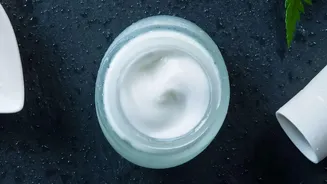
Managing your skin during the monsoon requires a few key adjustments. It's crucial to keep your skin clean and dry. Switch to a gentle, foaming cleanser to remove excess oil and grime without stripping the skin. Even if your skin feels oily, don't skip the moisturizer; opt for a lightweight, non-comedogenic (pore-clogging) formula to keep the skin barrier hydrated and balanced. Always wear a broad-spectrum sunscreen, as harmful UV rays can penetrate clouds. Most importantly, change out of wet or sweaty clothes as soon as possible, and pay extra attention to drying skin folds thoroughly after bathing. Wearing breathable fabrics like cotton can also help reduce moisture buildup.