



Decoding the Karat: What Purity Means
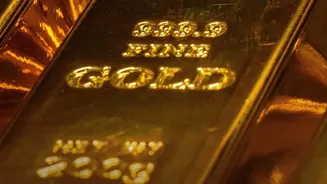
The purity of gold is measured in karats (K). Think of it as a scale out of 24 parts. 24K gold is the purest form you can get, containing 99.9% gold. However, it's also very soft and malleable, making it unsuitable for crafting durable jewellery. This
is why other metals like copper, silver, or zinc are mixed in—to create an alloy that adds strength. The most common purities for jewellery in India are 22K and 18K. 22K gold contains 91.6% pure gold (22 parts gold, 2 parts alloy), making it a popular choice for traditional Indian jewellery. 18K gold contains 75% pure gold (18 parts gold, 6 parts alloy) and is often preferred for modern designs and for setting diamonds and other gemstones securely.
The Hallmark: Your Guarantee of Purity
So, how do you trust that the 22K bangle you're buying is actually 91.6% pure? That's where the Bureau of Indian Standards (BIS) Hallmark comes in. It's a certification that guarantees the purity of the gold. Since 2021, hallmarking has become mandatory for gold jewellery sold in India. A hallmarked piece will have three key symbols engraved on it: the BIS logo (a triangle), the purity grade (like 22K916 for 22K gold), and a six-digit alphanumeric Hallmark Unique Identification (HUID) number. This HUID code is unique to each piece of jewellery and allows for its traceability, ensuring authenticity and preventing fraud. You can even verify the HUID yourself using the BIS CARE app.
How Purity Dictates the Price
The purity level is a primary factor in the price of your jewellery. A 22K gold chain will inherently cost more per gram than an 18K chain of the same weight because it contains more pure gold. When a jeweller calculates the final price, they start with the base rate for gold of that specific purity on that day. The final price is then calculated as: (Gold Rate per gram × Weight of Gold) + Making Charges + GST. Making charges, which cover the craftsmanship, can vary significantly based on the intricacy of the design. Always ask for a detailed bill that breaks down the gold weight, purity, rate, making charges, and taxes separately.
Durability vs. Richness: Choosing the Right Karat
The choice between different karats is often a trade-off between purity and practicality. 22K gold, with its higher gold content, has a richer, deeper yellow hue that is highly prized for traditional and bridal wear. However, because it's softer than lower karats, it's more susceptible to scratches and bending with rough use. 18K gold, on the other hand, is significantly more durable due to its higher alloy content (25%). This makes it the ideal choice for everyday wear items like rings and bracelets, and it's the standard for setting delicate diamonds and gemstones, as its stronger prongs hold them more securely.
Purity's Role in Resale Value
Gold in India is also a long-term asset, and its resale value is a crucial consideration. The purity of your gold directly impacts the return you get when you decide to sell or exchange it. Higher purity gold, like 22K, will naturally fetch a better price per gram. Furthermore, having a BIS Hallmark is vital. Hallmarked jewellery is trusted for its authenticity and will command a better resale value compared to non-hallmarked pieces, as the buyer is assured of the purity without needing extensive testing. While making charges are typically deducted during resale, the core value of your investment is preserved by its certified purity.