





Choose Your Destination Wisely
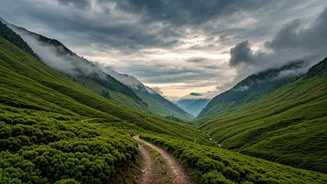
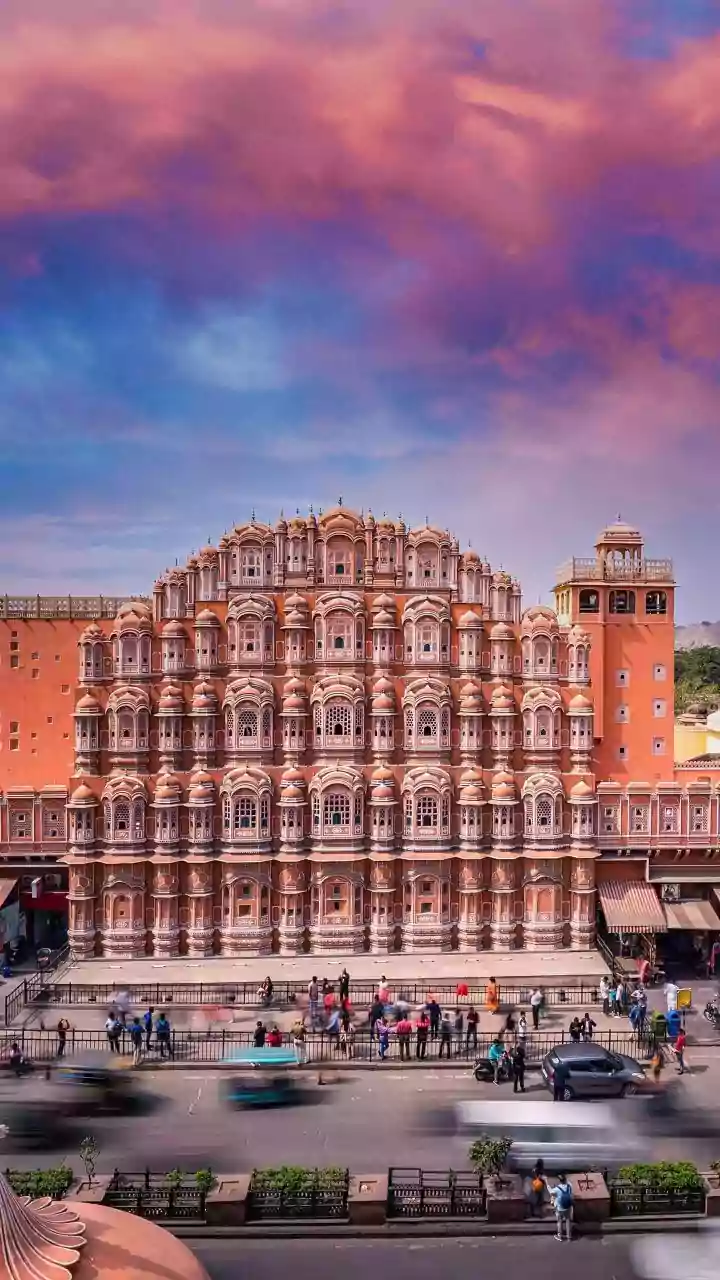
Not all destinations are created equal during the monsoon. While some regions transform into verdant paradises, others become hazardous. Hilly areas, particularly in the Himalayas, are prone to landslides and flash floods, making travel risky. [8, 14]
According to the India Meteorological Department (IMD), heavy rainfall alerts are common for states like Himachal Pradesh, Uttarakhand, and parts of the Western Ghats. [13, 19] Instead of popular but landslide-prone hill stations, consider places that are safer during the rains, such as Coorg or Yercaud. [26] Before booking, research your chosen location's susceptibility to monsoon-related issues like waterlogging and road closures. [6, 10] Checking local conditions and advisories can help you avoid areas under red or orange alerts. [13, 20]
Prioritise Health and Hygiene
The monsoon is a breeding season for mosquitoes and microorganisms, increasing the risk of various diseases. [17, 18] Mosquito-borne illnesses like dengue, malaria, and chikungunya are rampant, as stagnant water creates ideal breeding grounds for mosquitoes. [21, 25] It's essential to use insect repellent and consider sleeping under a mosquito net. [7, 11] Water-borne diseases such as typhoid, cholera, and gastroenteritis are also common due to the higher chance of water contamination. [16, 18] To stay safe, drink only bottled or boiled water and be cautious with street food, opting for freshly cooked, hot meals from hygienic places. [6, 8, 12] Pack a first-aid kit with essentials like antiseptic wipes, bandages, pain relievers, and medications for common ailments like diarrhoea and allergies. [3, 7]
Plan for Travel Delays and Dangers
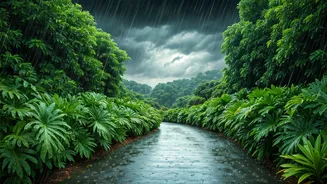
Travelling during the monsoon often means delays. Flooded tracks can slow down trains, and poor visibility can affect flights. [4] Road travel carries the most significant risks, from slippery roads and potholes to the severe danger of landslides. [9] If driving, reduce your speed, maintain a safe distance from other vehicles, and keep your headlights on for visibility. [9, 15] It's best to avoid driving through flooded areas or at night in hilly regions. [9, 15] When planning your itinerary, build in buffer time of at least a few extra hours between connections or activities to account for unexpected delays. [4] Always monitor the weather forecast for your route, not just your destination, using reliable apps like the IMD's official weather app. [4]
Pack Smart for the Weather
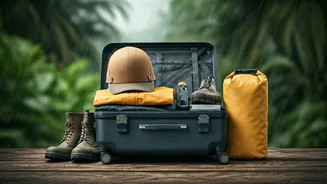
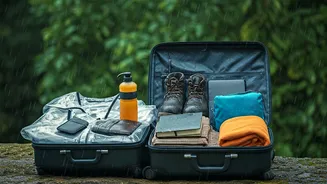
Your packing list can make or break a monsoon trip. Prioritise practicality over style. Pack lightweight, synthetic clothes that dry quickly, as cotton and denim can stay damp and uncomfortable. [2, 8] A sturdy, lightweight raincoat or poncho and a wind-resistant umbrella are non-negotiable. [4, 5] For footwear, choose waterproof rubber sandals or floaters with good grip; avoid leather shoes and sneakers that can be ruined by water and mud. [2, 11] To protect your valuables, use waterproof backpack covers and zip-lock bags or dry bags for electronics and documents. [2, 5] Power outages can be common, so a fully charged power bank is a lifesaver. [7, 11]
Stay Informed on the Go
Your research shouldn't stop once you've packed your bags. Throughout your trip, stay updated on weather conditions and local advisories. The IMD regularly issues warnings for heavy rainfall, thunderstorms, and potential flooding for various regions. [19, 23, 24] Following official sources for information is crucial, as social media can sometimes spread disinformation during weather events. [14] If you're in a hilly area, be alert for unusual sounds like rocks falling, which could signal an impending landslide. [14] Having flexible travel plans allows you to change your itinerary if conditions become unsafe. [4] A well-researched and adaptable approach ensures that you can enjoy the magic of the monsoon while staying safe.