



An Age-Old Agricultural Threat
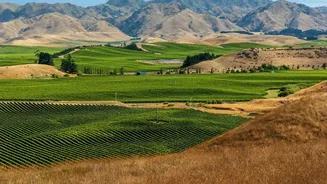
For grape farmers in Maharashtra's Nashik district, the threat of fungal diseases like downy and powdery mildew is a constant source of anxiety. These aggressive fungi can devastate entire crops, appearing as oily spots or a white, powdery dust on leaves
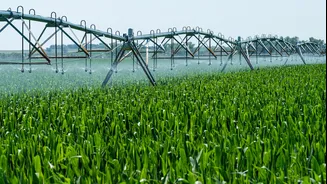
and fruit. An outbreak can spoil a harvest, leading to significant financial losses. Traditionally, farmers have relied on preventative, widespread spraying of fungicides, a costly and labour-intensive approach. This blanket method often leads to the overuse of chemicals, which can impact soil health, water quality, and require strict residue management, especially for grapes destined for export markets.
Eyes in the Sky: A High-Tech Solution
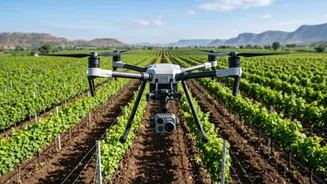
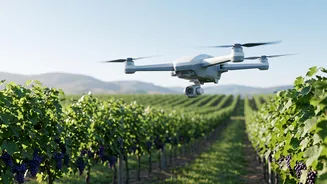
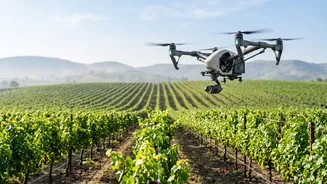
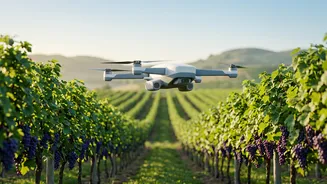
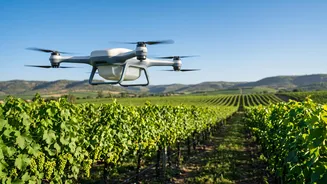
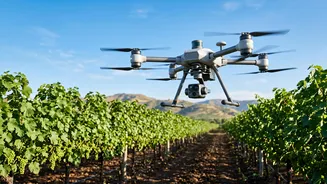
Enter the next generation of agricultural technology: drones equipped with computer vision. While drones have been used for broad-acre spraying for several years, this new application is far more precise. These unmanned aerial vehicles (UAVs) are outfitted with advanced multispectral and high-resolution cameras. They fly systematic routes over the vineyards, capturing incredibly detailed images of the vines below, plant by plant. This data provides a comprehensive health map of the entire vineyard, something that would take a team days or weeks to gather manually.
How Computer Vision Spots the Unseen
The real magic happens after the images are captured. The high-resolution pictures are fed into an artificial intelligence (AI) platform. Using computer vision—a field of AI that trains computers to interpret and understand the visual world—the system analyzes the images for the subtlest signs of mildew. The AI models are trained on thousands of images of healthy and infected grape leaves, learning to detect the faint, oily spots of downy mildew or the initial specks of powdery mildew, often days before they are visible to the human eye. By spotting infections at this microscopic stage, the system provides farmers with an invaluable early warning.
The Dawn of Precision Agriculture
This early detection transforms crop management from a reactive to a proactive strategy. Instead of spraying an entire field as a preventative measure, farmers can now practice precision agriculture. The drone’s mapping data pinpoints the exact location and extent of an infection. Armed with this knowledge, a farmer can choose to dispatch a spraying drone to apply fungicides only to the specific, affected patches. This targeted intervention dramatically reduces the overall amount of chemicals used—by up to 40% in some cases—and saves up to 90% of the water compared to traditional methods. The result is healthier soil, lower costs for farmers, and safer produce for consumers.
More Than Just Mildew
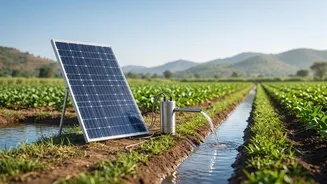
The capabilities of these intelligent drones extend far beyond disease detection. The same multispectral sensors can identify other issues impacting crop health. For example, they can reveal areas of the vineyard that are experiencing water stress or nutrient deficiencies in the soil, allowing for precise irrigation and targeted fertilization. This holistic view of the farm helps optimize resource use across the board, further boosting sustainability and yield. Some agritech startups in India are already offering these comprehensive IoT-led services for high-value horticultural crops, including grapes.
The Future of Farming in Nashik
The adoption of computer vision drones represents a significant leap forward for India's agricultural sector. While the initial investment in such technology can be substantial, service-based models are emerging, allowing farmers to pay on a per-acre basis, making it more accessible. Government initiatives promoting domestic drone manufacturing and subsidies are also helping to lower the barrier to entry. As this technology becomes more widespread, it promises to make farming in Nashik and beyond more resilient, profitable, and environmentally sustainable, securing the future of India's 'Grape Capital'.