



Choose Fabrics Wisely
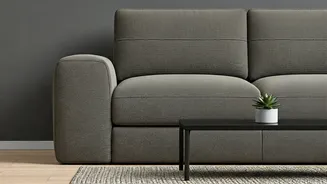
The battle against fur, scratches, and stains begins with your fabric choices. Some materials are simply better suited for life with pets. Tightly woven fabrics are your best friends because they don't snag claws as easily. Microfiber is a popular choice because it's
durable, easy to clean, and pet hair can be removed with a simple wipe or vacuuming. Performance fabrics, often sold under brand names like Crypton or Sunbrella, are engineered to resist stains, moisture, and odours. Leather and faux leather are also excellent options; they are easy to wipe clean and don't hold onto fur. While fabrics like velvet might seem like a magnet for hair, high-performance velvets can be surprisingly durable and less appealing for cats to use as a scratching post due to their tight weave. On the other hand, it's best to avoid loose-weave fabrics like tweed or linen, which can be easily snagged by claws.
Fortify Your Floors
Flooring takes a lot of punishment, from muddy paws to excited skids across the room. In India, tile flooring—whether ceramic or porcelain—is often considered one of the best choices for pet owners. It's incredibly durable, scratch-resistant, easy to clean, and offers a cool surface for pets to lie on during hot weather. Vinyl and laminate are also strong contenders. They are water-resistant, which is a huge plus for puppies in training or accidental spills, and they provide better traction than some slippery tiles. While beautiful, traditional hardwood can be prone to scratches and may stain if accidents aren't cleaned up immediately. If you love the softness of carpets, opt for low-pile rugs or carpet tiles made from stain-resistant materials. Patterned rugs are also a smart choice as they can help camouflage stray fur and minor stains.
Select Strategic Furniture
When it comes to furniture, think about both material and design. Pieces with metal or solid wood legs and frames are generally more resilient than those fully upholstered down to the floor, as there's less surface area for a cat to scratch or a dog to chew. If your pet is a scratcher, avoid furniture with delicate, exposed wood that can be easily damaged. Some brands now specifically market cat-proof furniture with ultra-durable, tightly woven upholstery. A clever design trick is to match your furniture colour to your pet's fur, which helps to camouflage shedding between cleanings. For items like pet beds, always choose one with a removable, machine-washable cover to keep things fresh and hygienic. Integrating pet furniture, like a stylish cat tree or a chic dog bed, into your decor can also help give them their own space.
Embrace Pet-Safe Greenery
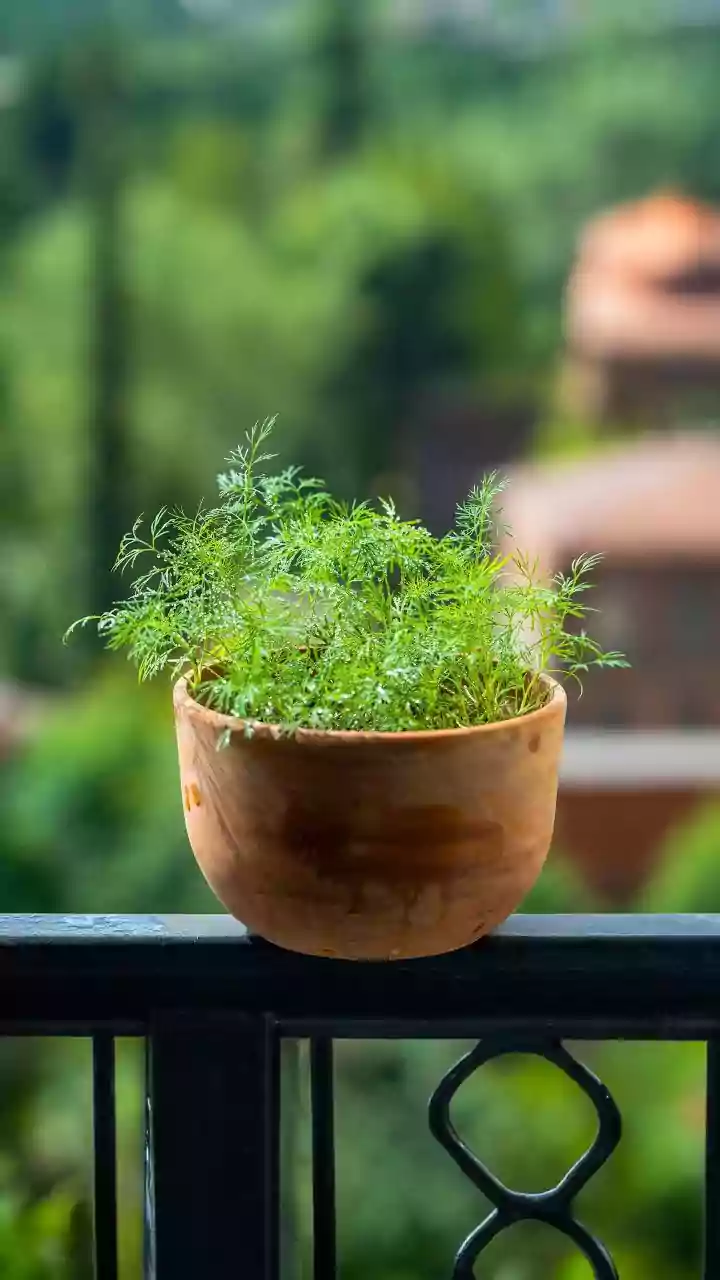
Houseplants can liven up a space, but many common varieties are toxic to cats and dogs if ingested. Thankfully, there are plenty of beautiful, pet-safe options available in India. The Areca Palm, Spider Plant, and Boston Fern are all non-toxic and excellent air purifiers. Parlor Palms and Calatheas (Prayer Plants) are also safe choices that thrive in indoor conditions. These plants add a touch of nature without posing a risk to your curious companions. Some herbs like basil and thyme are also safe to keep indoors. Always double-check a plant's toxicity before bringing it home. Plants like lilies, aloe vera, and money plants (Pothos) are common in households but can be harmful to pets.
Accessorise with Intention
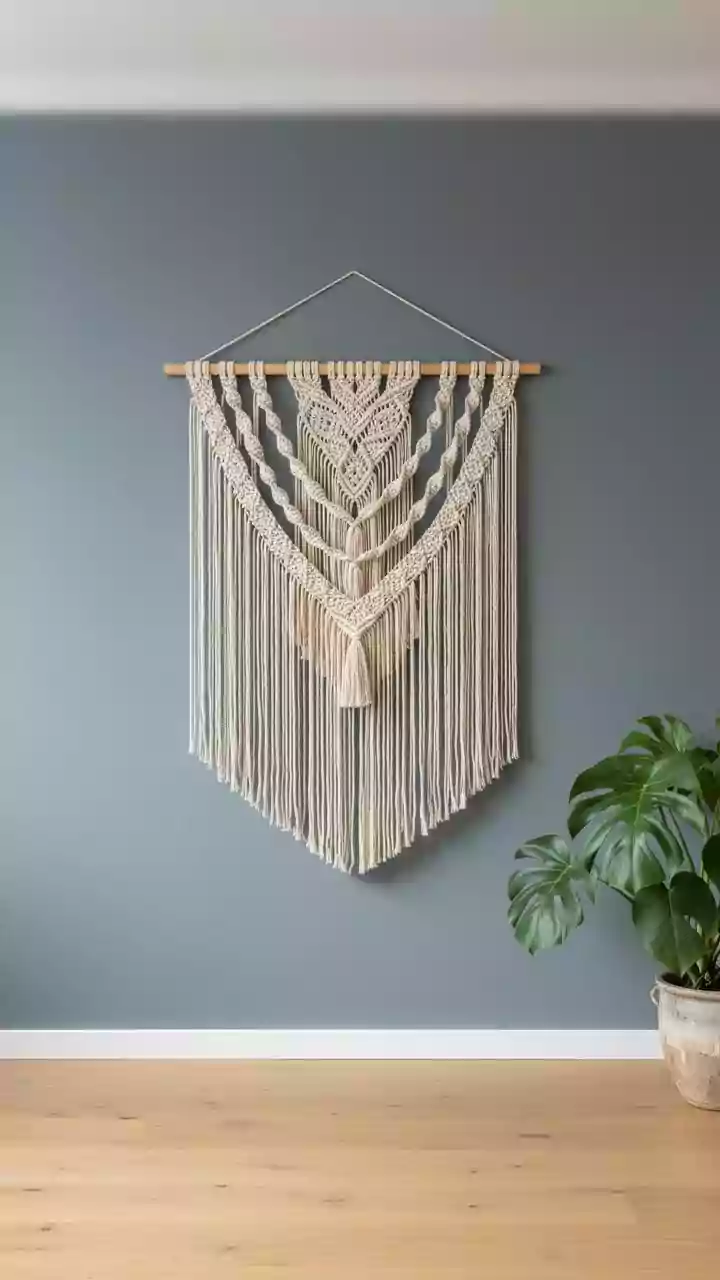
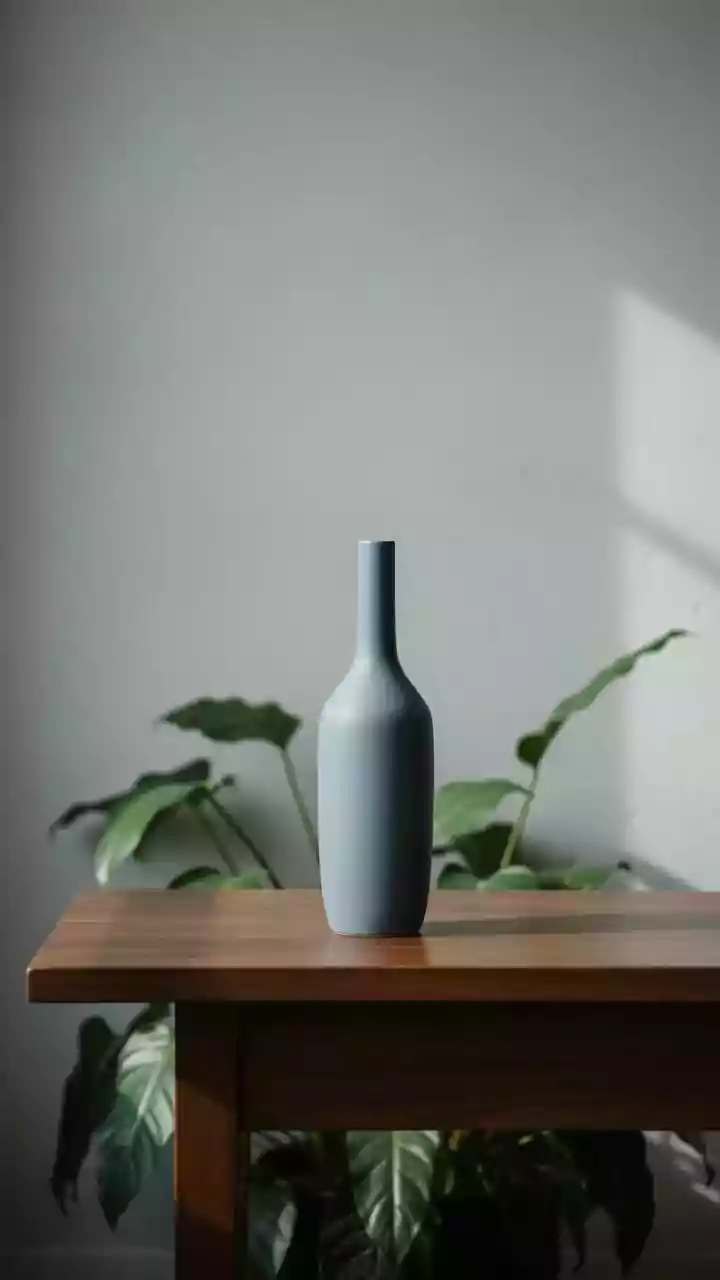
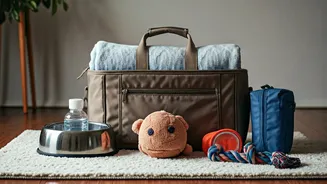
Thoughtful accessorising is the final touch for a harmonious pet-friendly home. Keep fragile or breakable items on high shelves or in closed cabinets, well out of reach of a swishing tail or a playful pounce. Opt for decor made from durable materials like metal, treated wood, or sturdy ceramics. When it comes to pet accessories themselves, like food bowls and toys, you don't have to sacrifice style. Ceramic bowls are weighted, making them harder to tip over, and come in countless designs that can complement your kitchen decor. Similarly, choosing toys in colours that match your home's palette can make them feel less like clutter when they are inevitably scattered around the living room. Creating dedicated zones for feeding and storing toys can also help maintain a sense of order.