



What Are Solid-State Batteries?
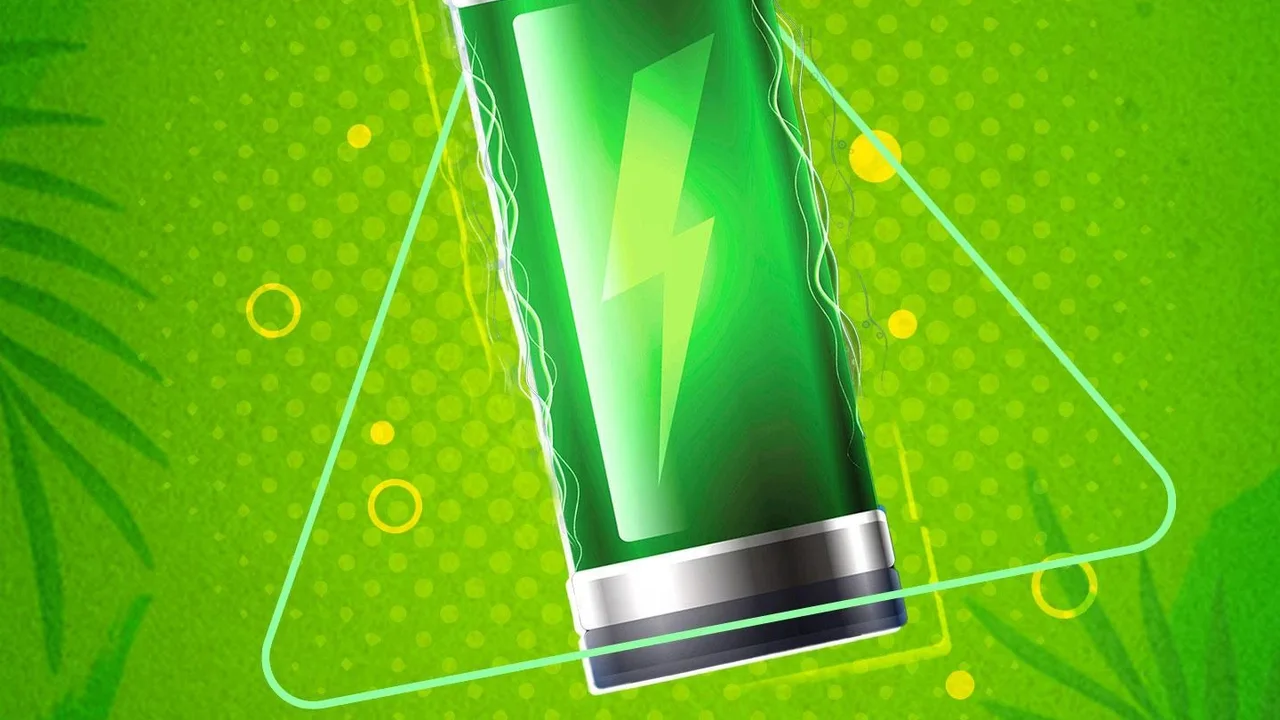
At its core, a solid-state battery is an evolution of the lithium-ion batteries that power today's EVs, with one critical difference. Instead of the liquid or gel-like substance, called an electrolyte, that allows energy to flow in conventional batteries,
solid-state technology uses a solid material. This electrolyte can be made from materials like ceramics, polymers, or glass. The basic principle remains the same: lithium ions move from one side (the cathode) to the other (the anode) to store and release energy. However, replacing the flammable liquid with a stable solid completely changes the battery's properties, unlocking significant improvements in safety, power, and durability.
The Unmatched Safety Advantage
One of the most significant drawbacks of current lithium-ion batteries is the risk of fire. The flammable liquid electrolyte can lead to a condition called thermal runaway, where the battery overheats and can catch fire or explode. Solid-state batteries virtually eliminate this risk by getting rid of the flammable liquid altogether. The solid electrolyte acts as a robust physical barrier between the battery's electrodes, preventing the formation of tiny, needle-like structures called dendrites, which can cause short circuits and fires in liquid-based cells. This inherent stability makes them fundamentally safer for vehicle applications.
Reimagining Charging Speeds
For many potential EV buyers, charging time is a major hurdle. While current fast chargers can take 30 minutes or more for a significant charge, solid-state technology promises to slash that time dramatically. Some prototypes have demonstrated the ability to charge from 10% to 80% in under 15 minutes, with some targets aiming for as little as 10 minutes. This leap is possible because the solid electrolyte can handle higher currents without degrading or overheating, a major limiting factor for today's liquid-based batteries. This could make recharging an EV almost as fast as filling up a petrol-powered car.
More Power, More Kilometres
Beyond safety and speed, solid-state batteries offer a massive boost in energy density—the amount of energy that can be stored in a given size or weight. By enabling the use of more efficient materials like lithium metal for the anode, solid-state designs can potentially store up to double the energy of current lithium-ion batteries. For drivers, this translates to two exciting possibilities: an EV could travel much farther on a single charge—with ranges exceeding 1,000 kilometres becoming feasible—or manufacturers could use smaller, lighter battery packs to achieve the same range, reducing vehicle weight and improving efficiency.
The Race to the Production Line
Nearly every major automaker and battery manufacturer is in a race to commercialize this technology. Companies like Toyota, Nissan, CATL, and BYD have invested heavily and announced ambitious timelines. Both CATL and BYD, two of the world's largest battery makers, are targeting 2027 for small-scale trial production. SAIC Motor has also aimed for mass production in 2027 after showcasing a prototype with a claimed range over 1,000 km. Toyota, a long-time leader in solid-state research, is planning to launch hybrid vehicles with the technology between 2027 and 2028. These timelines suggest the first wave of vehicles with solid-state batteries could hit the market in limited numbers within the next few years, with mass adoption expected closer to 2030.
Hurdles on the Road to Adoption
Despite the immense promise, significant challenges remain before solid-state batteries become standard in every EV. The biggest hurdles are manufacturing cost and scalability. Producing the solid electrolyte materials consistently and at a large scale is more complex and expensive than working with liquid electrolytes. There are also technical issues to solve, such as ensuring perfect contact between the solid components to allow for efficient energy transfer and maintaining performance in extreme cold. Overcoming these obstacles is key to bringing the cost down to a level comparable with current batteries, which is essential for mass-market adoption.