






Why Your Pet Needs a Safe Haven
Loud noises, unfamiliar guests, or even a change in routine can trigger significant anxiety in dogs and cats. Pets communicate their distress through trembling, hiding, excessive barking, or destructive behaviour. A designated safe room provides a predictable
place where your pet can retreat to self-soothe and feel secure. This isn't just about weathering a storm; it's a crucial tool for their emotional well-being. Think of it as their personal den—a quiet spot to decompress away from overwhelming situations. More animals go missing around holidays with fireworks than any other time of year, as panicked pets may bolt. A secure indoor space can prevent tragic escapes.
Choosing the Perfect Location
The ideal location is an interior room with few or no windows, which helps muffle sounds and block flashing lights from lightning or fireworks. A finished basement, a walk-in closet, a laundry room, or even a bathroom can work well. The key is to choose a space that is already familiar to your pet and not in a high-traffic area of the house. Before a stressful event occurs, make sure the room is free of potential hazards like pest poisons, cleaning supplies, or items your pet could ingest. The goal is to create a space that is inherently calming and free from new, surprising elements.
The Art of Making it a Sanctuary
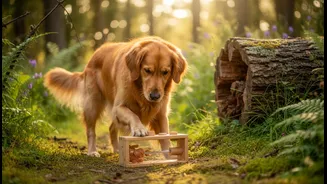
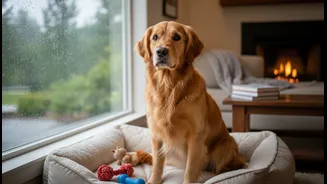
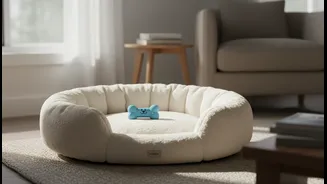
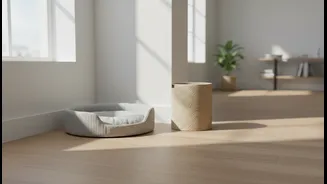
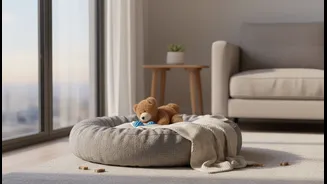
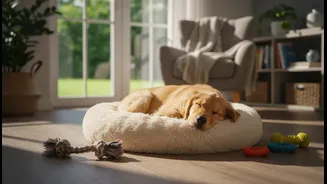
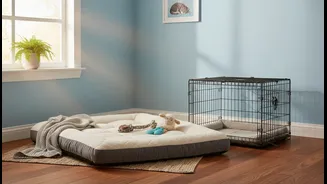
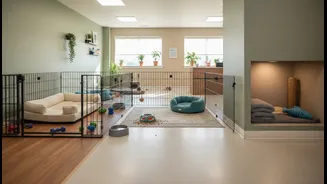
A safe room should be a destination your pet enjoys. Fill it with comforts like their favorite bed, soft blankets, and familiar toys. Including an item of your clothing, like a worn t-shirt, can also be soothing due to your scent. Make sure fresh water is always available. Instead of just a bowl of food, consider using food-dispensing puzzles or long-lasting chews. These not only serve as a welcome distraction but also create a positive association with the room. Playing calming music or using a white noise machine can help mask outside noises. For some pets, pheromone diffusers or sprays can also promote a sense of calm.
Freedom and Safety, Not Confinement
This is the most critical step: a safe room should never be a punishment or a place of forced confinement. Forcing a pet into a room and locking the door can heighten their anxiety and create a negative association with the space, making them less likely to seek it out when they need it. The choice to retreat must be theirs. Use a baby gate to keep the door open, or simply leave it ajar so they can come and go as they please. The goal is to empower your pet by giving them control over their environment. This approach builds trust and reinforces the idea that the room is a resource, not a trap.
Practice Makes Perfect
Don't wait for a thunderstorm to introduce your pet to their new sanctuary. Acclimating them ahead of time is essential for the space to be effective. Start by spending calm, positive time with your pet in the room. Offer treats, praise, and gentle petting whenever they voluntarily enter or relax in the space. You can even start feeding them their meals there to build a strong positive connection. This process, based on positive reinforcement, teaches your pet that the room is a wonderful place to be, long before the sky turns grey. According to animal behaviorists, this reward-based approach is the most humane and effective way to shape behaviour.