



A Bitter Pill of Truth
A landmark study involving more than 9,000 adults has taken a deep dive into the relationship between the bitterness of a person's diet and its overall quality. Researchers analysed the dietary data from 9,118 Australian adults, creating a 'bitter score'
for each person's diet. The results were surprising. While people who consumed the most bitter diets did eat more vegetables, fruits, and whole grains, their diets were not automatically the healthiest. In fact, the most bitter diets were also found to be higher in total fat. The overall quality of the bitterest diets was only slightly higher than the least bitter ones, suggesting that bitterness alone is not a foolproof guide to healthy eating.
Why We Equate Bitter with Better
The long-held belief that bitter foods are good for us isn't entirely baseless. Evolutionarily, our bitter taste receptors developed as a defense mechanism to detect toxins in plants. However, many of the compounds that make plants taste bitter are also incredibly beneficial for us. These are phytonutrients—like polyphenols, flavonoids, and glucosinolates—which act as antioxidants and have anti-inflammatory properties. Think of the potent compounds in dark chocolate, green tea, kale, and turmeric. These ingredients are celebrated for their health benefits, and their characteristic bitterness is a direct result of these helpful plant chemicals.
Genetics and Your Palate
Your personal tolerance for bitter foods isn't just a matter of willpower; it's written in your DNA. Scientists have identified about 25 different bitter taste receptor genes, with the TAS2R38 gene being a key player. Variations in this gene can make someone a 'supertaster,' who finds foods like broccoli and cabbage intensely bitter, or a 'non-taster,' who barely notices it. This genetic lottery significantly influences our food choices. Studies have shown that people who are highly sensitive to bitterness are less likely to eat their recommended daily servings of vegetables, simply because they find them unpalatable.
Beyond the Bitter Taste Test
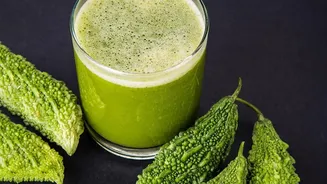
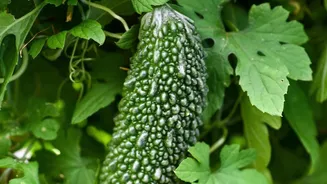
So, if bitterness isn't a guaranteed stamp of health, what should we do? The study's findings encourage a more nuanced approach. It's not about abandoning bitter foods. Many of them, like bitter gourd, neem, and leafy greens, remain nutritional powerhouses packed with vitamins, minerals, and unique compounds that can support digestion and metabolic health. The key takeaway is not to rely on one single taste as your guide. A diet's healthfulness is determined by balance, variety, and the overall pattern of eating, not just by how much bitterness you can tolerate.
Building a Smarter Plate
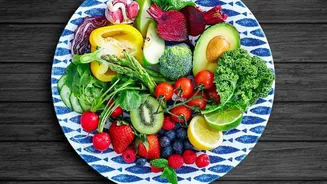
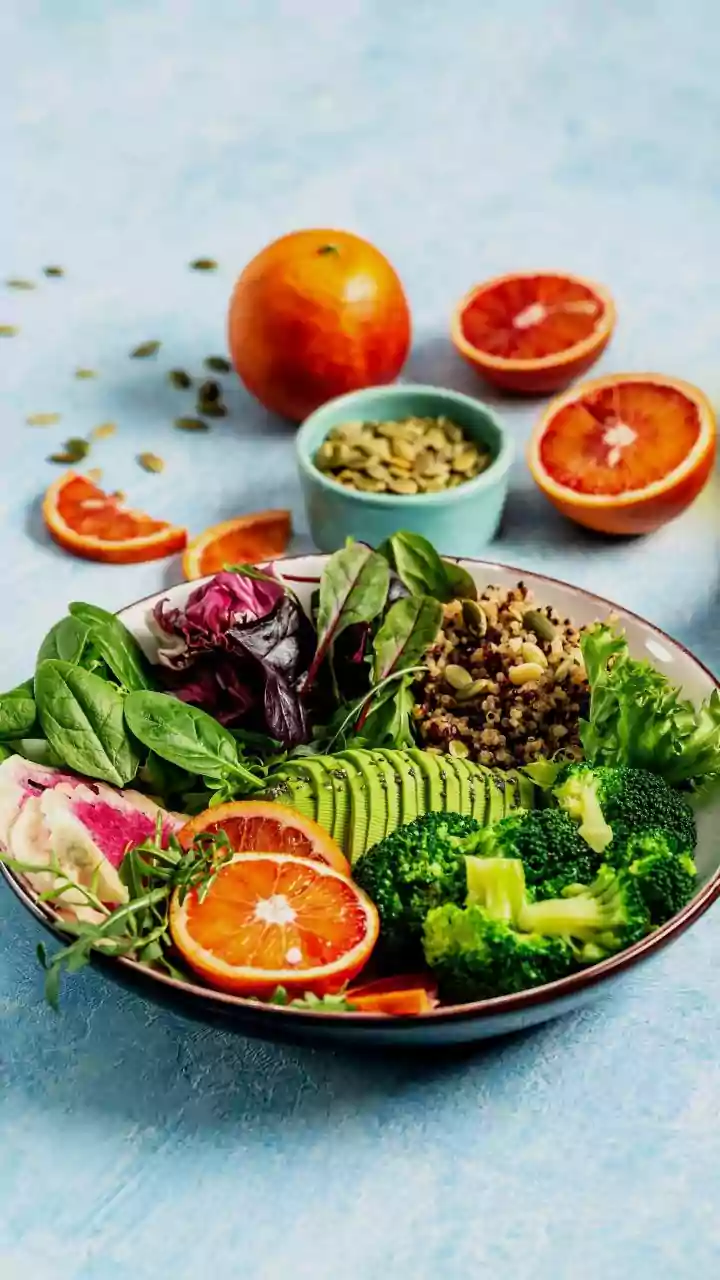
Instead of chasing bitterness, focus on building a colourful and varied diet. The goal is to consume a wide range of plant foods to get a broad spectrum of nutrients. If you find certain bitter vegetables too strong, preparation methods can help. Roasting vegetables like broccoli and Brussels sprouts can bring out their natural sweetness. Pairing bitter greens with a dressing that has fat, acid, and a touch of sweetness can also make them more enjoyable. The ultimate goal is not to force down foods you dislike, but to find ways to incorporate a wide variety of nutritious foods into your meals, creating a diet that is both healthy and sustainable for you.