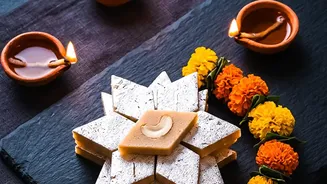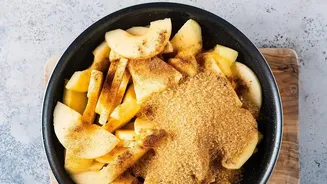

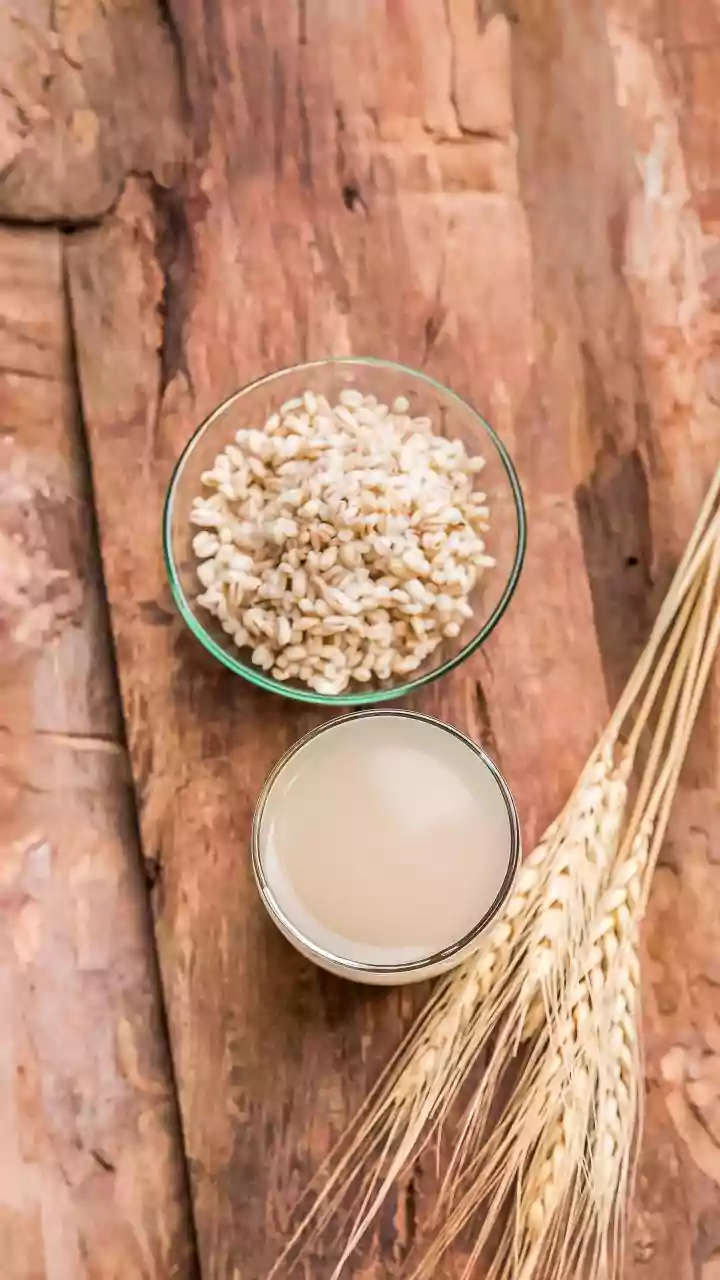


For many with diabetes, the world of sweets feels off-limits. But what if the goal wasn't to make desserts 'sugar-free,' but simply smarter? A new approach to recipes focuses on mindful ingredient swaps that manage blood sugar without sacrificing joy.
Beyond the 'Sugar-Free' Label
The conversation around diabetic desserts is often a simple binary: you can have it, or you can't. This all-or-nothing approach is not only discouraging but also overlooks the science of how our bodies process food. A truly diabetes-conscious dessert isn't necessarily one with zero sugar. Instead, it’s a sweet treat designed to have a minimal impact on blood glucose levels. This is achieved by focusing on ingredients with a low glycemic index (GI), which measures how quickly a food raises blood sugar. By incorporating high-fibre ingredients, healthy fats, and protein, the absorption of sugar into the bloodstream is slowed down, preventing the sharp spikes and subsequent crashes associated with traditional sweets. The goal is to create a dessert that is both satisfying and metabolically kind, proving that mindfulness is more effective than outright restriction.
The Truth About Sweeteners
Not all sweeteners are created equal. Many people assume that 'natural' options like jaggery and honey are safe bets for diabetics, but this is a common and potentially harmful misconception. While less processed than white sugar, jaggery can have a surprisingly high glycemic index, sometimes even higher than table sugar, causing a rapid rise in blood glucose. Honey generally has a lower GI than jaggery, but it still significantly impacts blood sugar and should be used sparingly. The real game-changers are natural, zero-calorie sweeteners like stevia and monk fruit extract. Derived from plants, these sweeteners provide a sweet taste without affecting blood sugar levels, making them an excellent choice for everything from gajar ka halwa to morning chai. Other options include sugar alcohols like erythritol, which have a minimal glycemic impact. Understanding these differences is the first step toward sweetening foods intelligently.
The Flour Factor: Building a Better Base
The foundation of many desserts, from cakes to ladoos, is flour. Traditional recipes often call for refined white flour (maida), which has a high GI and can cause blood sugar levels to surge. Thankfully, the Indian kitchen is full of healthier alternatives. Flours made from millets like ragi (finger millet) and jowar (sorghum) are fantastic choices. They are rich in fibre, which slows down digestion and glucose absorption. Besan (chickpea flour) is another excellent, high-protein option that helps stabilise blood sugar. For baking, almond flour and coconut flour are becoming increasingly popular. These flours are low in carbohydrates and high in healthy fats and fibre, offering a nutritious base for cookies, muffins, and barfis. By swapping out refined flour, you’re not just reducing the glycemic load; you’re adding valuable nutrients.
Embrace Healthy Fats and Fibre
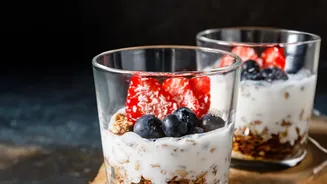
Fat and fibre are your allies in creating diabetes_conscious desserts. They play a crucial role in slowing down stomach emptying and glucose absorption, which leads to more stable blood sugar levels. Healthy fats from nuts like almonds and walnuts, seeds like flax and chia, and even ghee can add richness and satiety to a sweet dish. Instead of feeling deprived, you feel full and satisfied with a smaller portion. A handful of nuts or a dollop of unsweetened peanut butter can transform a simple piece of fruit into a balanced, blood_sugar_friendly treat. Chia seeds, in particular, are a powerhouse, capable of being made into a delicious kheer or pudding that's incredibly rich in fibre. Avocado can even be used to create a creamy, decadent chocolate mousse without the sugar load. These ingredients add flavour, texture, and a powerful nutritional boost.
It’s All About Portion and Pairing
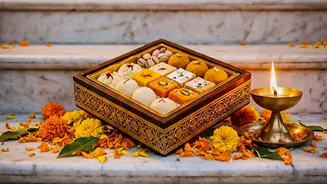
Even with the healthiest ingredients, portion control remains paramount. A dessert made with almond flour and stevia is better than its sugary counterpart, but eating too much will still have an impact. The key is to enjoy sweets in moderation. Serving desserts in smaller portions, like mini ladoos or small bowls of kheer, can help manage intake without feeling deprived. Another smart strategy is pairing your sweet treat with other foods. For example, enjoying a small dessert after a meal rich in protein and fibre can help blunt the overall glycemic response. Never treat even a 'healthy' dessert as a free_for_all. By being mindful of not just what you eat, but how much and when, you can successfully integrate sweets into a balanced, diabetes_conscious lifestyle.