



The Overlooked Treasure
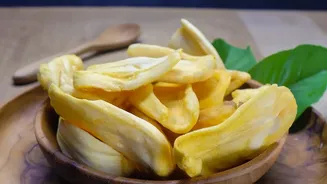
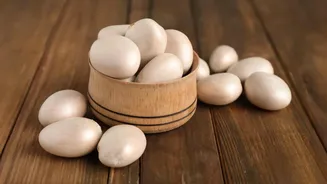
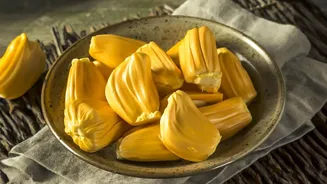
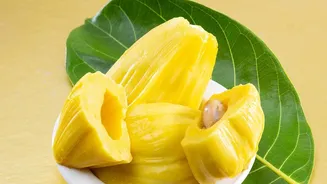
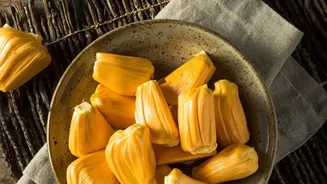
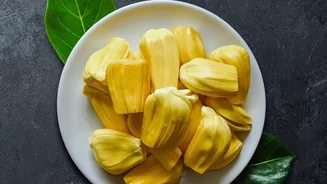
The jackfruit, a giant of the fruit world, is celebrated for its versatile flesh, a popular meat substitute. But inside each fruit lie hundreds of seeds, which are typically discarded. This contributes to significant food waste, as these seeds make up
about 8-15% of the fruit's total weight. For years, in parts of India and Southeast Asia, these seeds have been a traditional snack, either boiled or roasted, but their potential as a pantry staple has been largely untapped. Now, a growing awareness around sustainability and nutrition is putting this underutilised resource in the spotlight.
A Nutritional Powerhouse
Don't let their humble origins fool you; jackfruit seeds are packed with nutrients. They are a good source of protein, complex carbohydrates, and dietary fibre. A 100-gram serving can contain around 7 grams of protein. The seeds are also rich in resistant starch, which acts as a prebiotic, feeding the beneficial bacteria in your gut and promoting digestive health. Furthermore, they provide essential minerals like magnesium, potassium, and iron, along with B vitamins such as thiamine and riboflavin, which help the body convert food into energy. It's important to note, however, that jackfruit seeds must be cooked before consumption, as they contain antinutrients when raw that can hinder digestion and nutrient absorption.
From Seed to Flour
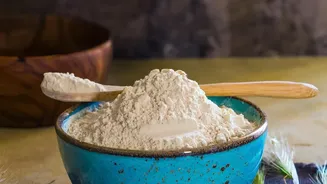
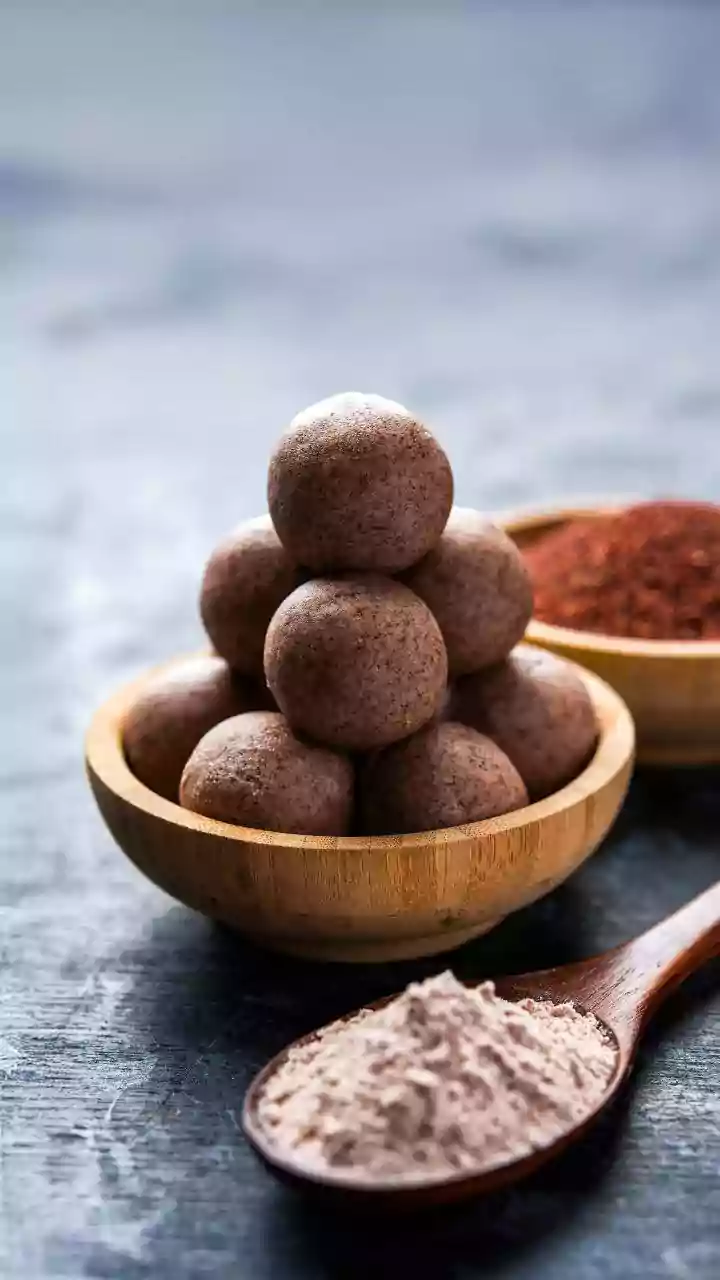
The transformation from a tough seed into a fine baking flour is a multi-step process designed to enhance its nutritional value and ensure it's safe to eat. First, the seeds are thoroughly cleaned and separated from the fruit's flesh. To deactivate the raw antinutrients, the seeds are cooked, typically by boiling, steaming, or roasting. This cooking step is crucial. Afterwards, the softened seeds are peeled to remove their outer skin, dried completely in the sun or a dehydrator, and then milled into a fine powder. The resulting jackfruit seed flour has a long shelf life and is ready to be incorporated into a variety of recipes.
The Baker's New Companion
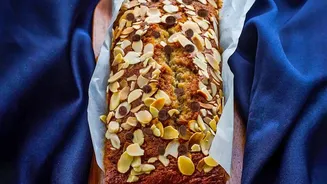
As a baking ingredient, jackfruit seed flour is proving to be incredibly versatile. It is naturally gluten-free, making it an excellent alternative for those with gluten intolerance. Its high starch content makes it a good binding and thickening agent in food preparations. Studies have shown that substituting a portion of wheat flour with jackfruit seed flour can significantly boost the protein and fibre content of baked goods like cookies, cakes, and bread. For instance, one study noted that replacing just 12.5% of regular flour in cookies increased the protein content noticeably. It can be blended into batters for rotis, pooris, and even dosas, adding a nutritional punch without drastically altering the taste or texture.
Beyond the Bakery
The innovation doesn't stop with flour. The unique properties of jackfruit seeds are being explored for a range of food applications. Roasted seeds are enjoyed as a snack, with a flavour sometimes compared to chestnuts. The flour's ability to absorb water and oil makes it suitable for use in deep-fried products, potentially reducing fat absorption. Creative food developers have even used jackfruit seeds to create plant-based products like dairy-free ice cream and cheese spreads, high-protein chips, and even as a malt substitute in beer brewing. This versatility highlights the seed's potential to become a staple ingredient in the future of sustainable food production.