






The Classic Choice: Coconut Milk
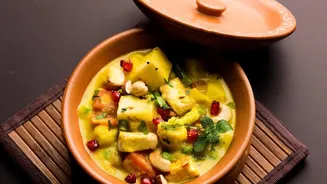
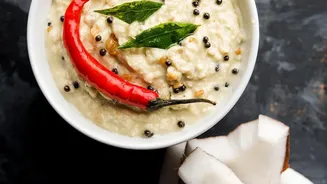
As the headline suggests, coconut milk is the most well-known dairy-free hero for creamy curries. It’s a staple in South Indian and coastal cuisines for a reason. Its inherent sweetness and fatty richness perfectly balance the heat of spices, creating
a luscious and aromatic base for everything from vegetable stews to fish curries. For the thickest, most indulgent results, use full-fat canned coconut milk and consider adding the thick cream from the top towards the end of cooking to prevent it from splitting. While its distinct flavour is a highlight in many dishes, be mindful that it will impart a 'coconuty' taste, which might not be suitable for all North Indian-style gravies where a more neutral base is preferred.
The Mughlai Secret: Cashew Paste
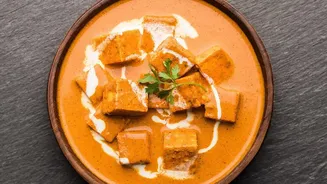
For a truly regal and neutral creaminess, look no further than cashews. This is the secret behind many rich and velvety Mughlai dishes like Korma or butter chicken variations. Soaking raw cashews in hot water for at least 30 minutes and then blending them into a smooth, fine paste creates a 'cashew cream' that thickens gravies beautifully and adds body without a strong flavour of its own. This makes it incredibly versatile. Stir the paste into your onion-tomato base after the spices are cooked and allow it to simmer gently. It not only enriches the texture but also provides a subtle, natural sweetness that balances the tang of tomatoes perfectly.
The Subtle Thickener: Almond Paste
Similar to cashews, almonds can be used to create a creamy base. Blanched almonds (almonds with their skins removed) are best for achieving a smooth, pale paste. The process is the same: soak, then blend until completely smooth. Almond paste offers a slightly different, though still mild, nutty flavour profile compared to cashews. Some recipes even use a combination of cashews and almonds to build a complex, layered richness. While almond milk can be used, it's a lighter option and may require a thickener like cornstarch to achieve the desired consistency in a curry. For a truly thick and creamy sauce, a paste made from whole nuts is superior.
The Earthy Alternative: Poppy Seed Paste
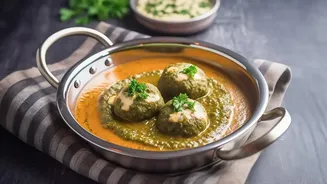
White poppy seeds, or 'khus khus' in Hindi, are a traditional thickening agent used across India, particularly in Bengali and Maharashtrian cuisines. When soaked and ground into a paste, poppy seeds lend a unique, earthy, and nutty flavour along with significant creaminess. The paste is often used in vegetable and paneer dishes, creating a luxurious white gravy. To prepare it, soak the seeds for several hours to soften them before grinding. Because the flavour is distinct, it's a more purposeful choice than neutral cashew cream, but it can transform a simple vegetable curry into something special.
The Unconventional Solution: Silken Tofu
For a protein-packed and surprisingly effective creamy base, blended silken tofu is a modern and healthy option. Unlike firm tofu, silken tofu has a very high water content and a custard-like texture that breaks down easily. When blended, it creates a smooth, thick liquid that can mimic cream or yogurt in a curry sauce. It’s a fantastic, low-fat way to add body to a gravy without introducing a strong flavour, making it quite versatile. The key is to blend it until it's completely smooth to avoid a grainy texture and to add it towards the end of cooking, simmering gently without boiling to prevent it from curdling.
Other Seeds and Nuts
The world of dairy-free creaminess doesn't stop there. A mix of seeds, often referred to as 'magaz', which can include pumpkin, sunflower, and melon seeds, are also traditionally used. These are often toasted lightly to enhance their nutty flavour before being ground into a paste with a little water. This paste serves as a wonderful thickener for kormas and other rich gravies. Similarly, ground peanuts or even peanut butter can be used in certain regional curries to add both creaminess and a robust flavour, though this is less common across all Indian cuisines.