





In Indian cooking, patience is often the secret ingredient. While a fresh meal is wonderful, some dishes undergo a magical transformation overnight, their flavours deepening into something far richer. Here are seven that prove it.
The Science of Better Leftovers
It’s not your imagination;
many Indian dishes genuinely improve after a day. As a complex dish like a curry or dal cools and rests, its chemistry continues to evolve. Flavour compounds from spices, aromatics, and fats mingle and spread evenly, a process food scientists call 'flavour equilibration'. Sharp, individual notes from ginger, garlic, or chillies mellow, while the fat-soluble aromas from spices like cumin and cloves dissolve into the ghee or oil and permeate the entire dish. The result is a more harmonious, rounded, and deeply integrated flavour profile that simply wasn’t there right after cooking.
1. Dal Makhani
This queen of Punjabi dals is the poster child for overnight improvement. Made with whole black lentils (urad dal) and kidney beans, its signature creaminess comes from slow cooking. When it rests, the lentils continue to release starches, naturally thickening the gravy into a velvety consistency that fresh dal rarely achieves. The butter and cream fully integrate, and the smoky, earthy notes of the lentils meld completely with the spices. A freshly made dal makhani can taste like separate components; a day-old one tastes like a unified, luxurious whole.
2. Rajma Masala
Like many bean-based dishes, rajma masala gets a significant flavour boost from a night in the fridge. Even after being pressure-cooked until tender, the dense kidney beans need time to fully absorb the surrounding masala. Overnight, the beans act like sponges, soaking up the tangy tomato-onion gravy and the aromas of spices like cinnamon and cardamom. This ensures the flavour isn't just coating the beans but has penetrated right to their core, making each bite richer and more satisfying.
3. Chole (Chickpea Curry)
Similar to rajma, chickpeas have a firm texture that benefits immensely from a long soak in their spicy gravy. A freshly made chole is delicious, but the flavours can sometimes feel distinct from the chickpeas themselves. After resting, the chickpeas become infused with the sourness of tamarind or amchur (dried mango powder) and the warmth of the spice blend. The gravy also thickens as it cools and settles, resulting in a more cohesive and deeply flavoured dish the next day.
4. Dum Biryani
While wonderful fresh, a dum-cooked biryani often reaches its peak the next day. As it cools, the aromatic steam trapped within the layers of rice, meat, and masala condenses and redistributes the flavours. Fragrant oils from spices, ghee, and fried onions migrate through the rice grains, ensuring more even seasoning. Furthermore, the rice undergoes a process called starch retrogradation, which firms up the grains. When gently reheated, the rice holds its shape better, and the flavours feel more integrated and complex.
5. Mutton or Lamb Curry
Slow cooked meat curries, like a Rogan Josh or a homestyle mutton masala, are prime candidates for next day greatness. The resting process allows the collagen in the meat to break down further, turning into gelatin that enriches the gravy and gives it a silky mouthfeel upon reheating. The meat itself, having relaxed after cooking, continues to marinate in the sauce than becoming more tender and absorbing deep layered spice flavours all way through.
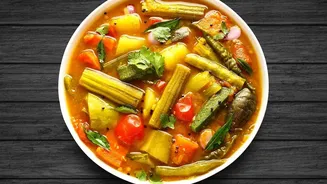
6. Sambar
This South Indian lentil and vegetable stew is a complex blend of tangy spicy and sweet notes. While a long simmer is key to a good sambar an overnight rest allows flavours to truly marry. The toor dal base thickens than tamarind tang mellows and integrates with vegetables and unique aroma of sambar masala powder permeates every element of stew. Result is more balanced harmonious dish where no single flavour shouts over others.
7. Sarson ka Saag
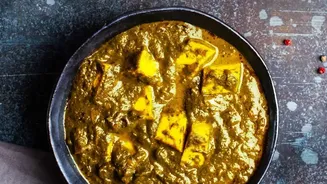
This rustic Punjabi winter classic made from mustard greens has distinctively sharp slightly bitter flavour when freshly cooked. After night in fridge this sharpness mellows considerably. Different greens mustard spinach bathua blend into single cohesive flavour profile. Saag thickens naturally becoming smoother and creamier. Next day reheated with fresh dollop of white butter or ghee tadka it transforms into dish that is deeper richer and profoundly more comforting.