





Ponkh: The Tender Green Delight
Known as Ponkh in Gujarat or Hurda in Maharashtra, these tender green sorghum grains are a true winter specialty. Harvested only during the cold months, these juicy pearls have a sweet, nutty taste and a satisfyingly soft bite. Traditionally, the grains are roasted
over a fire and threshed, a practice that evolved from farmers enjoying them during harvest season. This process gives them a slightly smoky flavour. Beyond being a snack, you can toss them into salads for a surprising texture, mix them into upma, or create patties. The classic way to enjoy Ponkh is as a bhel, mixed with zesty sev and a squeeze of lime to cut through the sweetness.
Nolen Gur: The Liquid Gold of Bengal
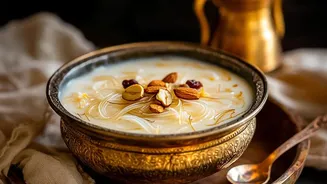
If winter had a flavour, it would be the smoky, caramel-like sweetness of Nolen Gur. This prized date palm jaggery is a seasonal delicacy from Bengal, made by simmering the fresh sap collected from date palm trees during the colder months. Its aroma is intoxicating and its flavour far more complex than regular jaggery. Available in liquid (jhola) and solid (patali) forms, it’s the heart of many iconic Bengali desserts like payesh and sandesh. Don't just save it for sweets; drizzle the liquid gold over your morning oatmeal, pancakes, or even into a cup of tea for a uniquely fragrant start to a chilly day.
Singhara: The Crunchy Water Chestnut
Singhara, or water chestnut, is an aquatic vegetable that makes its appearance during the pre-winter and winter season. While many are familiar with its flour used during fasts, the fresh, crunchy vegetable itself is often overlooked. With a mildly sweet and nutty taste, fresh singhara is incredibly versatile. You can eat it raw as a snack, slice it into salads for a crisp texture, or add it to stir-fries where it soaks up flavours while retaining its crunch. It can also be boiled and added to curries, much like potatoes, to provide a different textural experience in a familiar dish.
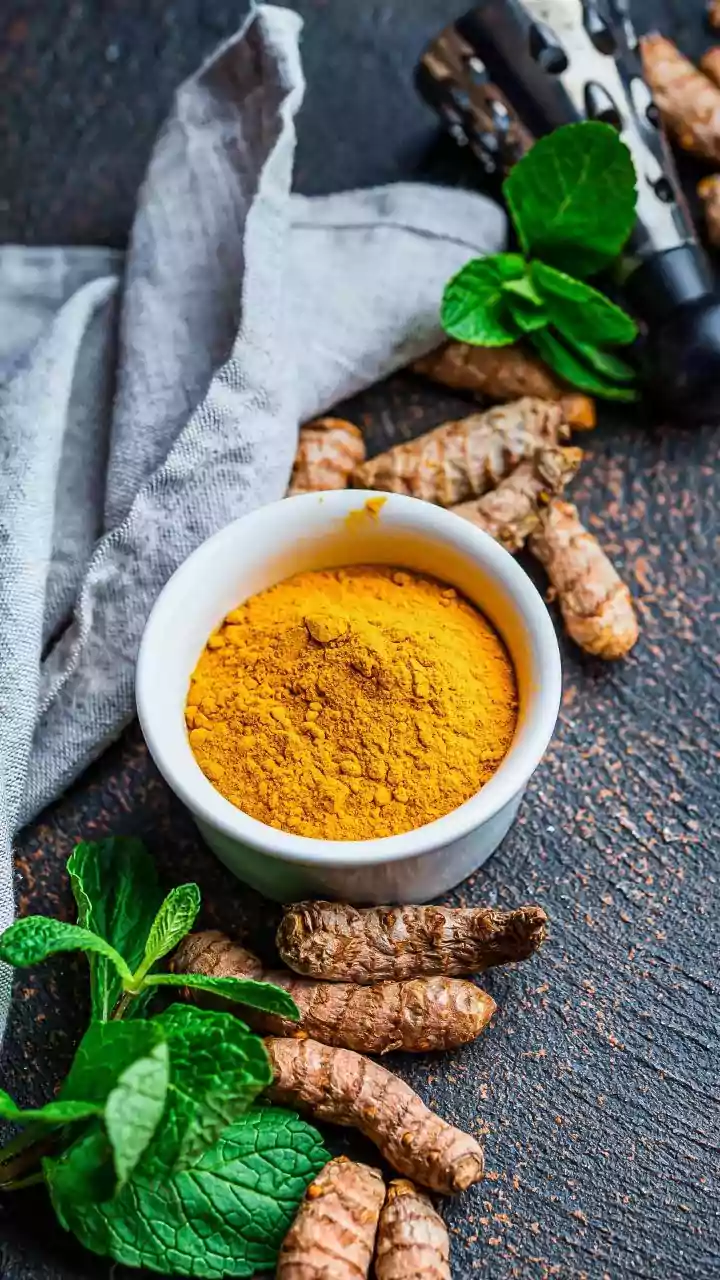
Kacchi Haldi: The Golden Root of Winter
Long before turmeric powder became a staple, kitchens relied on Kacchi Haldi, or fresh turmeric root, which is harvested in winter. This knobbly root, a cousin of ginger, is juicier and has a milder, more peppery flavour than its powdered form. Its vibrant orange flesh is packed with natural oils and curcumin, making it especially potent. Grate it into warm milk for a comforting haldi doodh, add thin slivers to your daily dal or sabzi, or make a quick pickle with lemon juice and salt. A famous Rajasthani winter curry, Haldi ki Sabzi, even uses grated fresh turmeric as its star ingredient.
Kand: The Earthy Purple Yam
The striking, deep purple hue of Kand, or purple yam, is a common sight in winter markets, especially as a key ingredient in the Gujarati classic, Undhiyo. Beyond this celebrated dish, this earthy root vegetable is often forgotten. It has a slightly sweet, nutty flavour and a starchy texture similar to sweet potatoes. You can simply boil or steam it and serve with a sprinkle of salt and pepper. For something more creative, try making crispy, shallow-fried 'kaap' (fritters) or pakodas. You can also mash it to make a vibrant porridge or add it to soups for a beautiful colour and creamy consistency.
Ber: The Tart Indian Jujube
Ber, the Indian jujube, is a small, round fruit that floods the markets from late winter into spring. Ranging from crisp and green to soft and reddish-brown as they ripen, these fruits have a delightful sweet and tart flavour. While often eaten raw with a sprinkle of salt and chilli powder, they are fantastic for cooking. Unripe ber can be used in mixed vegetable dishes, lending a pleasant sourness. The ripe, softer fruits are perfect for making a lip-smacking 'khatti meethi' chutney with jaggery and spices, which pairs wonderfully with dal-chawal or parathas. You can also make a traditional pickle (achar) to preserve their flavour for months.
Chaulai Saag: The 'Other' Leafy Green
While sarson, palak, and methi dominate the winter green scene, Chaulai (or amaranth leaves) often sits quietly on the sidelines. Available in both green and vibrant red varieties, these leaves are incredibly nutritious and have a delicate, earthy flavour that is milder than other greens. They cook very quickly, wilting into a creamy texture. A simple stir-fry (shaak or sabzi) with garlic, onions, and minimal spices allows its flavour to shine. You can also add it to dal for a one-pot meal, stuff it into parathas, or even mix it with besan to make flavourful fritters.