



An Earthy Art That Glimmers
Lippan Kam, which translates to “mud work” or “to apply,” is a traditional mural art from the Kutch region of Gujarat. Practised for centuries, primarily by women from communities like the Rabari, Mutwa, and Meghwal, it involves creating intricate relief
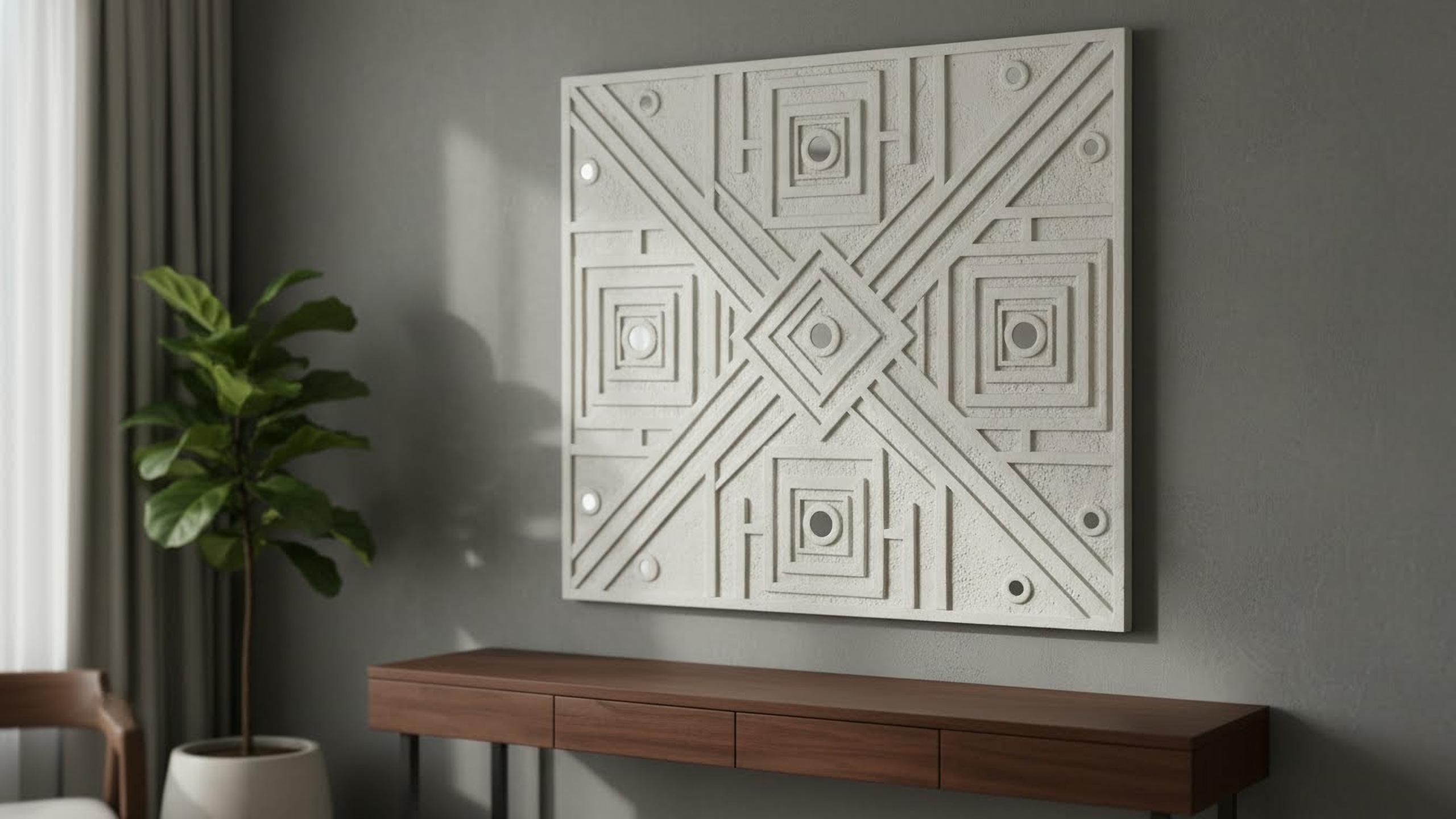
patterns on walls using a mixture of clay and camel or wild ass dung. Into this damp, malleable surface, small pieces of mirror, or ‘aabhla’, are embedded. The result is a stunning interplay between earthy texture and reflected light, an art form born from humble materials that brightens interiors and tells a story of its desert origins. Traditionally, this craft adorned the inner and outer walls of 'bhungas'—the iconic round mud houses of the region—not just for beauty, but also for practical reasons. The thick mud walls helped regulate temperature, while the mirrors would scatter the light of a single lamp to illuminate the entire home.
From Village Walls to City Lofts
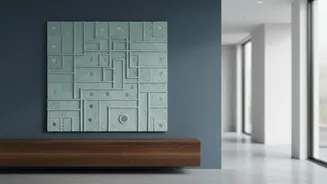
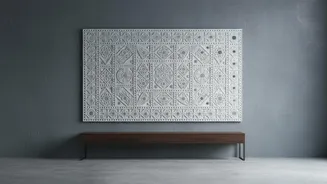
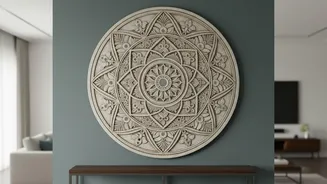
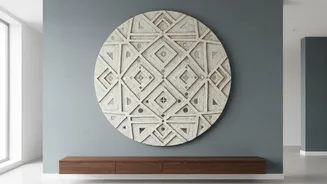
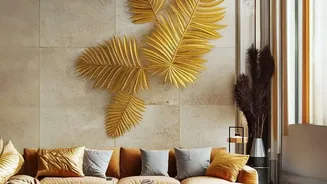
What was once an architectural feature, inseparable from the walls it decorated, has undergone a remarkable transformation. The contemporary revival of Lippan Kam sees it adapted onto portable surfaces like wooden or MDF boards. This crucial evolution has made the art form accessible to a new generation of admirers living in urban settings, from Mumbai high-rises to Bengaluru apartments. Interior designers, drawn to its unique texture and handcrafted authenticity, are increasingly incorporating these panels into modern spaces. The art’s traditional white or neutral palette fits seamlessly into minimalist and bohemian aesthetics, offering a touch of ethnic charm without overwhelming the decor. This shift has moved Lippan Kam from being a community-based practice to a sought-after element in the global home decor market.
The Artisan-Designer Bridge
This revival is not just a trend; it's a bridge between two different worlds. It connects the deep-rooted skills of rural Kutchi artisans with the contemporary vision of urban interior designers. Designers collaborate with these craftspeople, often encouraging subtle adaptations to suit modern tastes. This may involve experimenting with new colour palettes beyond the traditional white, such as soft pastels or metallics, or commissioning designs that feature more contemporary geometric patterns alongside classic motifs of peacocks, camels, and flowers. This partnership provides a vital platform for artisans to showcase their work to a wider audience, moving beyond local markets and into national and even international galleries and online stores. The result is a fusion that respects the soul of the craft while ensuring its relevance in today's world.
More Than Just Decoration
The growing popularity of Lippan Kam has a significant social and economic impact. For many families in Kutch, particularly women, the commercialisation of this art has created meaningful income streams and opportunities for economic empowerment. Several organisations and social enterprises now work directly with these artisans, ensuring they receive fair compensation and providing training to adapt their skills for new markets. By purchasing a piece of Lippan art, consumers are not just acquiring a beautiful object; they are supporting the preservation of a centuries-old cultural heritage and contributing to the livelihoods of the communities that are its custodians. It’s a conscious choice that champions sustainable, handmade products over mass-produced decor.