



Your Phone is a Pocket Planetarium
Modern stargazing apps transform your mobile device into a powerful, interactive map of the cosmos. They work by using your phone's built-in sensors, like its GPS and compass, to determine your precise location and the direction you're pointing it. As
you move your phone across the sky, the app’s display moves with you, showing a real-time, augmented-reality overlay of the celestial objects in your view. Tap on a bright star or planet, and the app will provide its name and a wealth of information about it.
Quick Tip: Star or Planet?
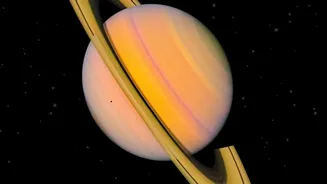
Before you even open an app, you can often distinguish a planet from a star with a simple observation. Stars, being incredibly distant points of light, appear to twinkle because their light is distorted by the Earth's atmosphere. Planets in our solar system are much closer and appear as tiny discs, so their light is generally steady and doesn't twinkle. Planets like Venus and Jupiter are often among the brightest, most unwavering objects in the night sky.
Stellarium Mobile: Best All-Rounder
Stellarium is a favourite among both beginners and seasoned amateurs for good reason. The free version offers a clean interface and an accurate, comprehensive map of the sky. Just point your phone, and it will identify stars, constellations, planets, and even satellites like the International Space Station in real time. Its catalogue is extensive, showing you far more than just the brightest objects. The app also features constellation art from different cultures, a night mode to preserve your dark-adapted vision, and the ability to simulate the sky for any date, time, and location. Unlike many apps, its free version is incredibly capable and doesn't constantly push for upgrades.
SkyView Lite: Easiest for Beginners
If you want a straightforward and visually engaging experience, SkyView Lite is an excellent starting point. Its augmented reality feature is intuitive, overlaying constellation artwork and object names directly onto your view of the sky through your phone's camera. While its database isn't as deep as Stellarium's, it excels at showing the most prominent objects without cluttering the screen, which can be less overwhelming for newcomers. You can also use it to track the path of the sun and moon and set reminders for upcoming celestial events like meteor showers.
Star Walk 2: Great Visuals and Search
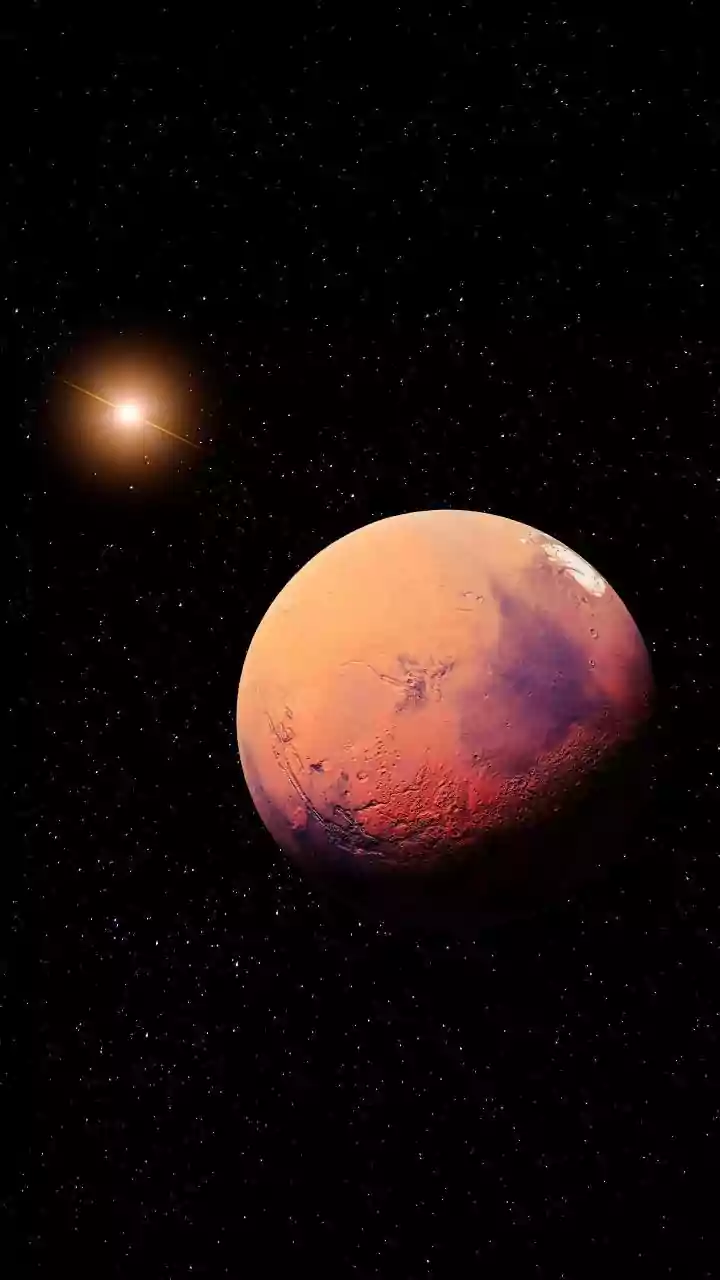
Star Walk 2 is praised for its beautiful graphics and immersive user experience. It functions similarly to other AR stargazing apps but adds a layer of polish that makes exploring the cosmos feel more dynamic. The free version includes a robust set of features for identifying stars, planets, and constellations. One of its standout features is an intuitive search function; if you want to find Mars, simply select it from the list, and an on-screen arrow will guide you to its current position in the sky. The app also includes a "Time Machine" feature that lets you see how the sky looked in the past or will look in the future.
NASA App: More Than Just Stargazing
While not a dedicated stargazing tool at its core, the official NASA app is a must-have for any space enthusiast and it is completely free. It includes a feature to help you spot the International Space Station and provides alerts for when it will be visible from your location. Beyond that, the app is a treasure trove of content, offering access to NASA's live streaming service, a massive gallery of the latest images from space telescopes, news on current and future missions, and educational podcasts. It’s the perfect companion app for diving deeper into the science behind the objects you discover with your planetarium app.