


Core Clothing: The Quick-Dry Rule
The single most important rule for monsoon trekking attire is to avoid cotton. Cotton absorbs a massive amount of water, gets heavy, and takes a long time to dry, which can lead to chafing and a dangerous drop in body temperature. Instead, your wardrobe
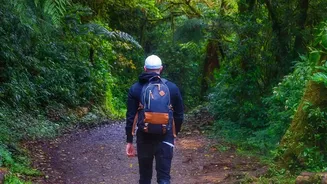
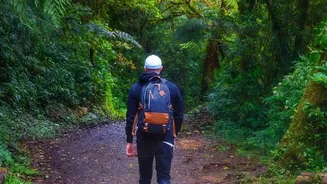
should be built around synthetic, quick-drying fabrics. Pack at least two quick-dry t-shirts made of polyester or nylon. For bottoms, opt for full-length, quick-dry trekking trousers. These are lightweight, allow for for easy movement, and protect your legs from scratches, insects, and leech bites. Shorts might seem tempting in the humidity, but full-length pants offer far better protection on overgrown monsoon trails.
The Outer Layer: Your Shield Against Rain
A waterproof outer layer is non-negotiable. You have two main choices: a rain jacket or a poncho. A good rain jacket should be both waterproof and breathable, with taped seams to prevent water from seeping in. A poncho is a looser-fitting alternative that provides excellent airflow and can often cover both you and your backpack. For a weekend trek, a lightweight, packable rain jacket paired with waterproof pants often provides the most versatile protection. This layering system allows you to adapt to changing conditions, removing the jacket during a dry spell without exposing yourself completely.
Footwear: Your Most Critical Gear
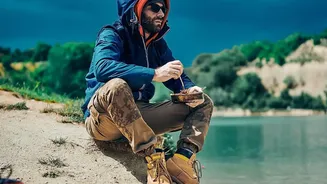
Your feet do the hardest work on a trek, and the right footwear is crucial for safety on slippery monsoon trails. Invest in a pair of trekking shoes with high ankle support and a deep, aggressive grip. While fully waterproof shoes seem ideal, some experienced trekkers note that in constant, heavy rain, water can still get in over the top. The key is to pair your shoes with the right socks. Carry at least three pairs of moisture-wicking synthetic or wool socks. Avoid cotton socks at all costs. Some trekkers also carry leech-proof socks for extra protection in dense, wet forests. It’s also wise to bring a pair of lightweight floaters or sandals for campsite use or for safe river crossings.
Backpack and Waterproofing: A Three-Layer System
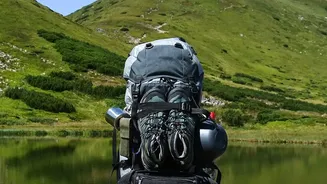
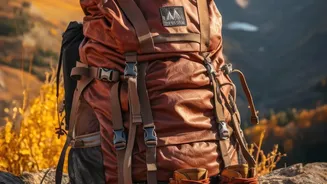
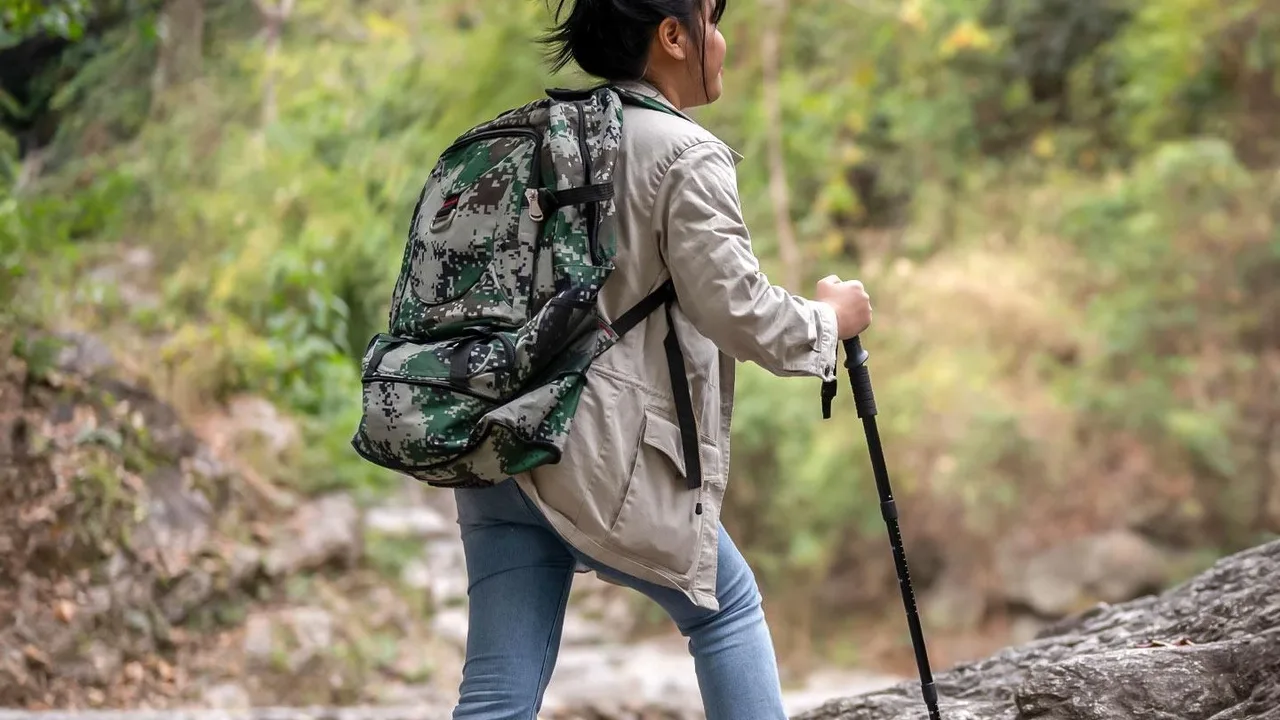
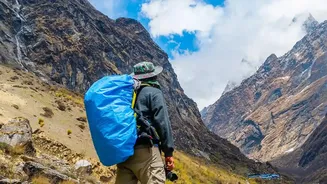
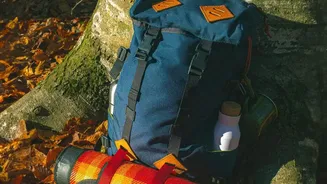
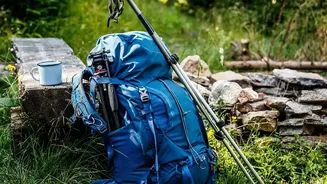
Your backpack carries all your essentials, and keeping it dry is paramount. Most trekking backpacks are water-resistant, not fully waterproof. To protect your gear, use a three-layer system. First, use a dedicated rain cover on the outside of your pack. Second, line the inside of your backpack with a large plastic bag or a pack liner. Third, organize your clothes, electronics, and other critical items into smaller waterproof dry bags or heavy-duty zip-lock bags inside the pack. This compartmentalization not only ensures everything stays dry but also helps you find things easily without unpacking everything in the rain.
Essential Accessories and Safety Items
A few small items can make a huge difference in your comfort and safety. A trekking pole is highly recommended, as it provides a third point of contact and significantly improves stability on muddy and slippery slopes. A headlamp or a torch is essential, as monsoon cloud cover can cause visibility to drop suddenly in the late afternoon. Always carry a basic first-aid kit containing antiseptic wipes, bandages, blister tape, and any personal medications. Insect repellent is a must, especially for low-lying forest trails. Finally, pack a power bank to keep your phone charged and zip-lock bags for your electronic gadgets.