



The Unseen Threat in Your Kitchen
The single largest source of indoor pollution in many Indian homes is the kitchen. The simple act of cooking, especially tadka, frying, or using a gas stove, releases a cocktail of fine particulate matter (PM2.5) and gases like nitrogen dioxide. These
tiny particles are small enough to penetrate deep into our lungs and enter the bloodstream. Studies show that PM2.5 levels in the kitchen can spike dramatically during cooking, often far exceeding outdoor pollution levels. To combat this, always use your exhaust fan if it vents outside. If you don't have one, open a window to create cross-ventilation. Cooking on back burners, which are better captured by hoods, and covering pots and pans can also significantly reduce the spread of pollutants.
Sacred Smoke and Its Consequences
The daily ritual of burning incense (agarbatti) and diyas is a cherished cultural practice, but it comes at a cost to air quality. Burning incense releases a dense cloud of particulate matter, volatile organic compounds (VOCs), and other toxic chemicals like formaldehyde and benzene. Research has shown that incense smoke can be a major source of indoor air pollution, with some studies suggesting its particulate matter emission can be comparable to or even greater than cigarettes. Regular exposure is linked to respiratory irritation, headaches, and an increased risk of long-term health issues. To mitigate this, limit the use of incense in enclosed, unventilated spaces. Consider burning it near an open window for a shorter duration or switching to alternatives like essential oil diffusers for aroma.
Tackling Dust, Dander, and Allergens
Dust is not just dirt; it's a complex mixture of dead skin cells, fabric fibres, dust mites, pet dander, and outdoor pollutants tracked in on shoes. These particles can become airborne with the slightest disturbance, triggering allergies and asthma. Regular cleaning is your best defence. However, dry dusting or sweeping can often just recirculate these particles. Instead, use a damp cloth for wiping surfaces and a damp mop for floors to trap dust effectively. Vacuum carpets, rugs, and upholstery frequently, preferably with a vacuum that has a HEPA filter. Washing curtains and bedding in hot water weekly helps eliminate dust mites. Another simple but effective habit is to leave shoes at the door to avoid tracking in outdoor pollutants.
The Problem with 'Fresh' Scents
That 'fresh' smell from air fresheners, cleaning sprays, and even new furniture might be deceptive. Many household products release VOCs, a group of chemicals that can cause eye, nose, and throat irritation, headaches, and have more serious long-term health effects. Scented candles and mosquito coils are also significant contributors to indoor particulate matter and chemical fumes. Whenever possible, opt for low-VOC or unscented cleaning products. When you do use strong chemical cleaners, ensure the area is well-ventilated. Be mindful of 'off-gassing' from new furniture or fresh paint; airing out these rooms can help dissipate the chemicals faster.
Ventilation: The Golden Rule
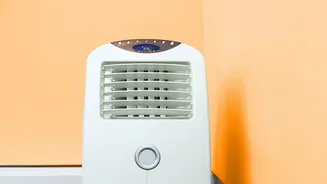
Source control is the most effective strategy, but proper ventilation is crucial for diluting and removing the pollutants that remain. The goal is to exchange stale indoor air with fresher outdoor air. However, during severe pollution events, opening windows all day can make things worse. The key is strategic ventilation. Check the outdoor Air Quality Index (AQI) and open windows for 15–30 minutes during the time of day when pollution is typically lowest, often in the early afternoon. Using exhaust fans in kitchens and bathrooms is a form of spot ventilation that removes pollutants at their source. For those living in highly polluted areas, a good quality air purifier with a HEPA filter can be a worthwhile investment to capture fine particles circulating indoors.