






Why Hot Water Can Be a Laundry Nightmare
Using hot water without checking the care label is a gamble. For many fabrics, high heat is the enemy. Natural fibres like cotton, linen, and wool are particularly vulnerable to shrinking when exposed to hot water. The heat allows the fibres to relax
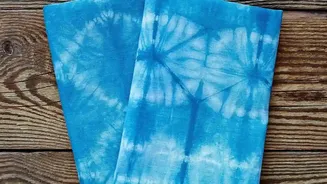
and return to their shorter, natural state, which is why your favourite t-shirt might suddenly seem a size smaller. Beyond shrinkage, hot water can cause colours to fade and bleed, turning a mixed load into a tie-dye experiment. It can also be harsh on synthetic fabrics like polyester and nylon over time, breaking down the fibres and causing them to lose their shape and elasticity. Furthermore, hot water can permanently set certain types of stains, particularly those that are protein-based like blood, sweat, or eggs. The heat essentially 'cooks' the stain into the fabric, making it nearly impossible to remove later.
How to Decode the Care Label
The small tag inside your garment is your best guide. The wash tub symbol is the key to water temperature. A plain tub icon means it's machine washable. The temperature advice comes from the dots or numbers inside that tub. One dot signifies washing in cold water, two dots mean warm, and three dots indicate that hot water is safe to use. Some labels use numbers instead, representing the maximum temperature in Celsius. For instance, 30° means to wash at or below 30°C (cold), while 60° allows for a hot wash. Paying attention to these symbols is the single most important step in preserving the life, colour, and fit of your clothes. When in doubt, always opt for a colder temperature, as it’s the safest and gentlest option.
When Hot Water Is Actually the Right Choice
While cold water is the default for most loads, hot water still has its place. It's highly effective for sanitising items that accumulate germs and bacteria. This makes it ideal for washing bed sheets, bath towels, and kitchen towels. If someone in the household has been sick, washing their bedding and clothes in the hottest water the fabric can tolerate can help kill lingering germs. Hot water is also superior for tackling heavy grease or oil stains on durable fabrics like cotton. For heavily soiled items, like work clothes or cloth diapers, a hot wash can provide the deep clean necessary to remove tough grime. However, this should only be done if the item's care label confirms it can handle the heat.
The Surprising Benefits of Cold Water Washing
Switching to cold water for the majority of your laundry offers numerous advantages. The most significant is energy savings. According to Energy Star, approximately 90% of the energy a washing machine uses goes toward heating the water. Washing in cold water drastically reduces your home's energy consumption, which is better for both the environment and your wallet. Modern detergents are formulated with enzymes that work effectively in cold temperatures, so you don't have to sacrifice cleanliness. Cold water is also much gentler on your clothes, helping them last longer by preventing fading, shrinking, and fibre damage. This preserves the look and feel of your garments, from delicate items to dark-coloured jeans that are prone to fading.